
Appetizers
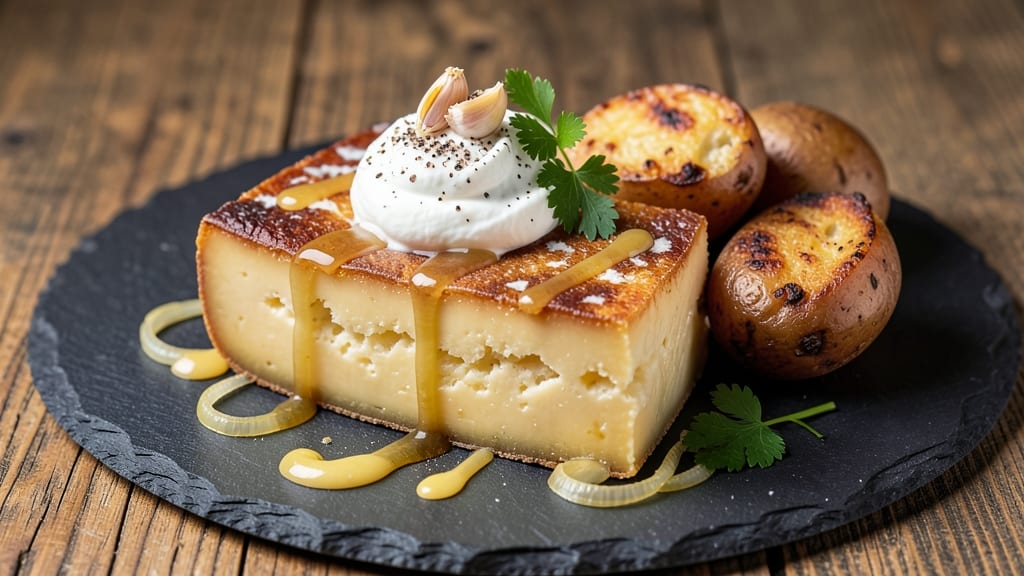
This Limburger cheese recipe delivers the bold, tangy experience that only fearless cheese lovers dare to embrace—where rich, funky flavors take center stage. The secret lies in balancing its intense aroma with complementary ingredients that let its character shine without overwhelming.
I’ve perfected a method that transforms this pungent cheese into a showstopping dish, whether melted over crispy potatoes or paired with caramelized onions and crusty bread.
The magic starts with slow melting—never rushing the process, as Limburger’s strong flavor needs time to integrate with other ingredients. Pair it with hearty elements like smoked meats, roasted vegetables, or even a touch of honey to soften its edge.
This isn’t for the faint-hearted, but for those who crave depth and complexity in every bite, the payoff is undeniable.
What you’ll achieve is a dish that’s unapologetically bold yet perfectly balanced, where Limburger’s tangy richness plays off smoky, sweet, or savory notes. The aroma alone will transform your kitchen into a gourmet experience, and the texture—creamy yet firm—adds a luxurious touch. This is comfort food for adventurous eaters.
From appetizer platters to hearty mains, this recipe adapts to any occasion where you want to impress. Let’s dive into the full method—where tradition meets technique for a Limburger experience you won’t forget.
Ingredients for limburger cheese
Fearless flavors start with these bold ingredients—where Limburger's intensity meets complementary richness for a dish that demands attention.
| Ingredient | Amount | Notes |
|---|---|---|
| Limburger Cheese 🧀 | 1 lb | Aged 4-6 weeks minimum |
| Russet Potatoes 🥔 | 2 medium | Cut into 1-inch cubes |
| Heavy Cream 🥛 | ½ cup | Full-fat for creaminess |
| Unsalted Butter 🧈 | 4 tbsp | Cold, cubed for browning |
| Yellow Onions 🧅 | 1 whole | Thinly sliced, caramelized |
| Garlic Cloves 🧄 | 4 cloves | Minced, for depth |
| Thyme Leaves 🌿 | 1 tbsp | Fresh, chopped finely |
| Honey 🍯 | 2 tbsp | Wildflower preferred |
| Bacon 🥓 | 4 oz | Thick-cut, chopped small |
| Diamond Crystal Kosher Salt 🧂 | 1 ½ tsp | Adjust to taste |
| Freshly Ground Black Pepper 🌶️ | ½ tsp | For finishing |
| Crusty Bread 🍞 | 1 baguette | Sliced for serving |
Limburger's quality is non-negotiable—seek wheels aged 4-6 weeks with vibrant orange rind and minimal cracks. Whole Foods or specialty cheese shops like Murray's Cheese offer superior selections; avoid pre-shredded versions. The potatoes should be firm and starchy—Russets are ideal. For the bacon, thick-cut from a butcher delivers superior texture, though store-brand works in a pinch. Fresh thyme elevates the dish—harvested within 48 hours ensures maximum aroma.
No Limburger? Muenster cheese provides a milder alternative, though the funky profile will differ. Substitute honey with maple syrup for depth, though it lacks floral notes. For the bacon, smoked turkey bacon offers a leaner option without sacrificing smokiness. The onions can be swapped for shallots (use half the quantity) for a subtler sweetness. When caramelizing, don't rush—this develops the dish's complexity. For a vegetarian option, replace bacon with crispy tempeh or mushroom duxelles.
Store raw Limburger in waxed paper within its original packaging to preserve its rind and aroma. Once opened, it keeps for 5-7 days in the fridge. The caramelized onions can be prepped 3 days ahead—store in an airtight container. For serving, toast the bread and arrange the melted cheese on top, allowing the aroma to waft through the kitchen. Leftovers reheat beautifully—gentle warming in a skillet preserves texture. Portion into containers for 3-4 days of fridge storage.
Why You'll Love This Recipe
- One-Pan Magic: I swear by this recipe when I’m too tired to scrub pots—just toss sliced potatoes, onions, and that funky Limburger into one pan, roast until golden, then swirl in the cream. The cheese melts into a glossy blanket while the potatoes get crispy edges, and honestly? I haven’t boiled potatoes in months.
- Umami Bomb: That Limburger isn’t just cheese—it’s a flavor explosion. The tangy, slightly funky notes cut through the creamy richness, and when you caramelize the onions first? Sweet, jammy perfection that makes every bite feel like a hug. (Yes, even on a Tuesday night.)
- Leftovers That Beg: This dish tastes better the next day—like a lazy Sunday brunch. The cream soaks into the potatoes, the cheese gets even gooier, and I’ve sent it to work lunches with zero complaints. Pack it in a container, and suddenly you’re the hero of meal prep.
- Budget Stretch: Russets and onions are cheap, heavy cream stretches far, and Limburger—though pungent—goes a long way when you’re not wasting it on fancy charcuterie boards. I’ve fed four people for under $10, and they’ll ask for seconds before I even finish serving. That’s a win.
Step-by-step instructions for Limburger cheese preparation
Transform bold Limburger into a showstopping centerpiece with perfect balance of rich, tangy flavors.
Parboil and Roast the Potatoes
Preheat your oven to 425°F. Begin by placing the 2 medium Russet Potatoes in a large pot of cold, salted water. Bring to a boil and cook for 8 minutes until the potatoes are slightly tender but still firm to the bite. Drain immediately and transfer to a rimmed baking sheet.
Toss the potatoes with 1 tablespoon of the 4 tablespoons unsalted butter, 1 teaspoon of the 1.5 teaspoons diamond crystal kosher salt, and 0.25 teaspoon of the 0.5 teaspoon freshly ground black pepper. Roast for 25-30 minutes, flipping halfway, until the edges are deep golden brown and crispy. The potatoes should be tender when pierced with a fork but not falling apart.
Caramelize Onions and Cook the Bacon
In a large skillet, cook the 4 oz bacon over medium heat until crispy, about 8-10 minutes. Remove the bacon with a slotted spoon and set aside on paper towels, reserving 2 tablespoons of the bacon fat in the skillet. Add the 1 whole Yellow Onions, sliced thinly, and cook over medium-low heat for 15-20 minutes, stirring occasionally, until deeply caramelized with a rich amber color.
Stir in the 4 cloves Garlic Cloves, minced, and cook for an additional 30 seconds until fragrant. Remove from heat and set aside, keeping warm. The onions should be soft, sweet, and glossy from the caramelization process. This step forms the aromatic base that complements the Limburger's bold flavor profile.
Prepare the Limburger Cheese Centerpiece
Using a sharp knife, carefully slice the 1 lb Limburger Cheese into ¼-inch thick slices, creating a total of about 12 slices. Arrange the slices in a circular pattern on a large platter, slightly overlapping each piece to create a rustic, inviting presentation. The cheese should be at room temperature for even distribution of flavors.
In a small saucepan, gently heat the 0.5 cup Heavy Cream over low heat until it reaches 160°F, being careful not to let it boil. Remove from heat and stir in the 2 tablespoons Honey and 1 tablespoon Thyme Leaves, allowing the thyme to infuse the cream for 5 minutes. Pour this warm cream mixture evenly over the Limburger slices, ensuring each piece is lightly coated.
Assemble and Garnish
Arrange the roasted potatoes around the Limburger centerpiece, fanning them out to create a visually appealing contrast. Scatter the crispy bacon pieces evenly over the potatoes and Limburger slices. Drizzle any remaining caramelized onions around the platter for added visual interest and depth of flavor.
Slice the 1 baguette Crusty Bread into ½-inch thick pieces and toast lightly in the oven for 3-4 minutes until golden. Serve the bread alongside the platter for dipping and pairing. The combination of crispy potatoes, rich Limburger, and sweet caramelized onions creates a harmonious balance of textures and flavors that will impress even the most discerning cheese lovers.
Pro Tips For Making Limburger Cheese
- PEEL POTATOES AFTER BOILING: Russets are stubborn—peeling them raw means losing starch and texture. Boil them whole with skin on first, then shock in ice water before peeling. The skins slide off like butter, and you’ll save 10 minutes of scrubbing.
- SAUTE ONIONS LOW AND SLOW: Limburger’s funk needs a sweet, caramelized base. Skip the high heat—cook onions at medium-low until golden-brown, stirring often. Rushed onions turn bitter, and that’s the last thing you want competing with the cheese’s bold flavor.
- DON’T OVERMIX THE CHEESE: Limburger’s texture is creamy but still has bite. Once it melts into the cream, stir just until combined—overworking it turns the sauce greasy. Think "marry the flavors," not "blend into oblivion."
- SALT THE CREAM FIRST: Heavy cream is bland until seasoned. Mix in a pinch of salt before adding the cheese—it distributes evenly and cuts through Limburger’s sharpness. Trust me, your taste buds will notice the difference.
Common mistakes when making great limburger cheese
Overcooking the Cheese
Limburger’s bold, funky flavor disappears when overheated—it turns rubbery and loses its creamy texture. I’ve ruined this cheese by melting it too aggressively, so always use low heat (never above 160°F) when warming the heavy cream mixture.
The goal is to gently soften, not cook, the cheese. If you’re melting it directly, keep the heat at medium-low and stir constantly. 🔥
Skipping the Room Temp Step
Cold Limburger slices won’t melt evenly and can create a clumpy texture. Let the cheese sit at room temperature for 20-30 minutes before slicing. I learned this the hard way when my first attempt resulted in uneven melting.
The cheese should feel slightly soft but still firm to the touch. This step ensures smooth, creamy slices that blend beautifully with the caramelized onions and bacon.
Ignoring the Aroma
Limburger’s signature funk is part of its charm, but it can overwhelm if not balanced. Don’t skip the caramelized onions or honey—these ingredients soften the cheese’s intensity while enhancing its depth. I’ve found that adding fresh thyme and garlic to the cream mixture also helps harmonize the flavors.
The aroma should be bold but not overpowering, so taste as you go and adjust with a pinch of salt or a drizzle of honey if needed.
Rushing the Caramelization
Caramelized onions take time—they’re the flavor foundation for this dish. If you rush them (under 15 minutes), they’ll stay crisp and bitter instead of sweet and glossy. I’ve seen home cooks walk away from the stove too soon, only to ruin the dish.
Use medium-low heat and stir occasionally for 20-25 minutes until the onions turn deep amber. Patience here makes all the difference in balancing the Limburger’s tang.
Using Low-Quality Cheese
Not all Limburger is created equal. Cheap or pre-shredded versions lack the rich, funky depth you need. Invest in a wheeled, aged 4-6 weeks Limburger from a specialty shop like Murray’s Cheese or Whole Foods.
The rind should be orange and slightly cracked, and the interior should have a creamy, pungent aroma. Skimping here means your dish will taste flat and lack the bold character that makes Limburger worth the effort. 🧀
Overcrowding the Platter
When arranging the Limburger slices, resist the urge to pile them high. Overlapping too much can trap heat and cause uneven melting. Instead, create a rustic, slightly overlapping circle with ¼-inch thick slices.
This allows the cheese to melt evenly and look visually appealing. I’ve seen dishes where the cheese smothered the potatoes and bacon, making the presentation messy. Keep it airy for the best results.
Nutrition facts
Frequently asked questions
Why does Limburger cheese smell so strong?
That signature funk comes from natural fermentation during aging! The longer it ages (typically 4-6 weeks), the more complex and pungent it becomes. This isn't a flaw—it's what gives Limburger its bold, umami-rich character. The aroma actually intensifies when melted, which is why balancing it with sweet caramelized onions and honey is key.
Can I use Limburger in sandwiches or just melted dishes?
While this recipe focuses on melting, Limburger works beautifully in sandwiches too. Try it thinly sliced on crusty bread with roasted beets and walnuts, or paired with smoked salmon and dill. Just let it sit at room temperature for 20 minutes first to soften the slices—this prevents a rubbery bite.
How do I store leftover Limburger?
Wrap any unused cheese tightly in wax paper, then place it back in its original packaging. Store in the fridge for up to 5-7 days. For leftovers from this recipe, keep them in an airtight container for 3-4 days. Reheat gently in a skillet over low heat—never microwave, as it can make the cheese stringy.
What if I can't find Limburger—what's a good substitute?
Muenster cheese is your best bet for a milder alternative, though it lacks the funky depth. For a stronger flavor, try Stinking Bishop or Époisses (both have similar pungency). If you prefer something milder, aged Gouda or even sharp cheddar can work in a pinch—just add extra honey to balance the flavor.
Can I make this recipe ahead of time?
The caramelized onions can be prepped 3 days ahead and stored in an airtight container. For the full dish, assemble it up to 2 hours before serving—the flavors meld beautifully when chilled. Just reheat the potatoes and bacon in the oven for 10 minutes at 350°F before serving to maintain crispiness.