
Side Dishes
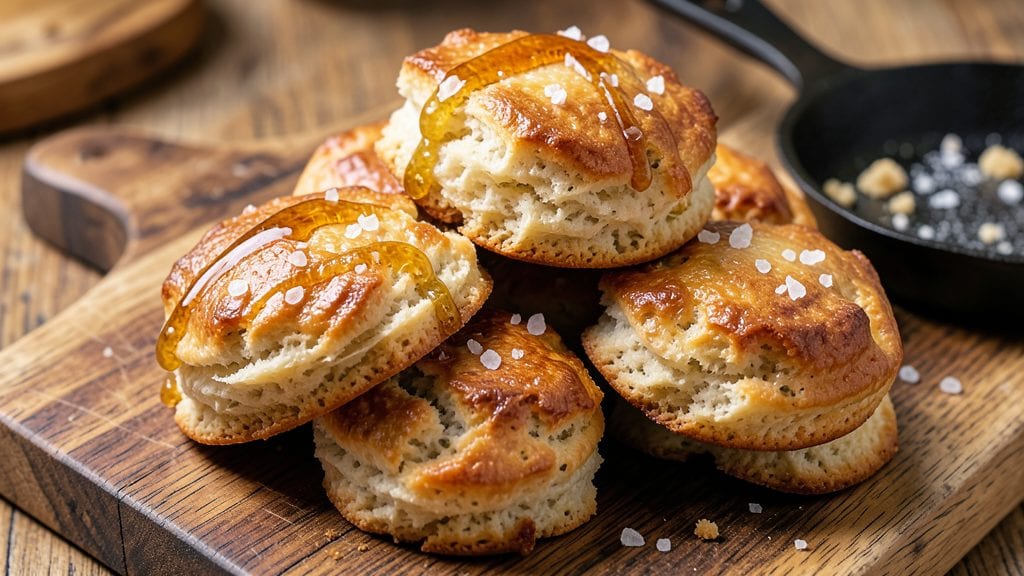
This Martha White flour biscuit recipe delivers the flaky, tender layers that define classic Southern biscuits—where the secret lies in the flour's protein balance and buttermilk's magic. I've perfected this method after years of trial and error, ensuring every bite has that signature crispy top and melt-in-your-mouth center.
The key? Keeping everything cold and handling the dough minimally to preserve those delicate layers.
Martha White flour's moderate protein content creates the ideal texture—neither too tough nor too crumbly—while the buttermilk adds moisture and tang that keeps biscuits fresh longer.
This recipe uses simple pantry staples but requires precision in technique: cutting the dough just enough to release steam for lift, and baking at 450°F for that golden, flaky perfection. No fancy equipment needed—just a bowl, a rolling pin, and patience.
The result is a batch of biscuits so tender and flaky they'll disappear from your plate faster than you can say "gravy." Each one layers crispy edges with a soft, buttery interior, and the aroma alone will have your kitchen smelling like a Southern kitchen should.
These biscuits pair perfectly with breakfast meats, fried chicken, or even as a side for soup.
Whether you're serving a family brunch or prepping for a holiday meal, this recipe delivers restaurant-quality biscuits with minimal effort. The dough comes together in under 10 minutes, and the baking time is just 12-15 minutes—so you can have dinner on the table without sacrificing texture.
Let's get started on mastering these classic biscuits.
Ingredients for martha white flour biscuit
Nine simple ingredients—just the right mix for Southern-style biscuits with perfect flaky layers.
| Ingredient | Amount | Notes |
|---|---|---|
| Martha White Flour 🌾 | 2 cups | Plus 2 tbsp for dusting |
| Unsalted Butter 🧈 | ½ cup | Cold, cubed, full-fat preferred |
| Buttermilk 🥛 | ¾ cup | Cold, full-fat for best flavor |
| Baking Powder 🍞 | 2 tbsp | Aluminum-free for best rise |
| Coarse Kosher Salt 🧂 | 1 tbsp | Diamond Crystal preferred |
| Granulated Sugar 🍚 | 1 tbsp | Light brown sugar works too |
| Freshly Ground Black Pepper 🌶️ | ½ tsp | Freshly cracked for aroma |
| All-Purpose Flour 🌾 | ¼ cup | For extra lift if needed |
| Butter (for brushing) 🧈 | 2 tbsp | Melted, for golden finish |
Martha White flour is non-negotiable here. Grab it from the Southern foods aisle—it's got that perfect medium protein level that makes biscuits tender but sturdy. The butter needs to be cold and cubed (no melting!), so pull it straight from the fridge. I use Land O'Lakes unsalted because it's consistently cold, but any good brand works. For buttermilk, if you're in a pinch, mix 1 tbsp vinegar or lemon juice with 1 cup milk—let it sit for 5 minutes. The baking powder should be fresh—if it's over a year old, the biscuits won't rise right.
No Martha White flour? King Arthur all-purpose flour is the closest substitute—just add an extra 1/4 cup to the mix. Butter too soft? Pop it in the freezer for 10 minutes. The sugar can be swapped for light brown sugar if you like a hint of molasses. For salt, Diamond Crystal kosher salt1 tbsp cold vegetable shortening to the butter cubes. And if you're feeling fancy, brush the tops with melted butter mixed with a pinch of cayenne for a kick.
Keep everything cold until ready to use—the fridge is your friend. The dough should be soft but not sticky; if it is, chill it for 10 minutes. These biscuits bake best immediately, but you can shape them ahead and freeze on a tray before bagging—up to 3 months. For reheating, wrap in foil and warm at 350°F for 5-10 minutes. They're even better the next day, so make extras for sandwiches.
Why You'll Love This Recipe
- No-Fuss Dough: I swear, the mixing takes less time than arguing over who forgot to take out the trash. Just cut cold butter into Martha White Flour until it looks like cornmeal, then stir in buttermilk—no rolling, no fuss, no stress.
- Buttery Magic: That first bite? Crispy edges, flaky layers, and a melt-in-your-mouth center—all from cutting butter into flour the right way. The buttermilk keeps them tender, but the salt makes every bite pop.
- Breakfast to Dinner: Serve them warm with honey butter for breakfast, split them over fried chicken for dinner, or freeze half for lazy mornings. They’re the ultimate blank canvas—no one will guess they’re the same recipe.
- Budget Stretch: A pound of Martha White Flour and a stick of butter make dozens—way more than store-bought. Plus, they freeze like champs, so you’re never scrambling for last-minute sides again. (Yes, even on a Tuesday night.)
Step-by-step instructions for Martha White flour biscuits
Here's how to achieve those legendary flaky layers using just these simple ingredients.
Cut and Chill the Cold Butter
Place the 0.5 cup unsalted butter in the freezer for 15 minutes until completely firm but not rock hard. Cut it into ½-inch cubes using a sharp knife. The butter needs to stay cold throughout mixing to create those signature flaky layers—if it softens, pop it back in the freezer for 5 minutes.
While the butter chills, measure out the 2 cups martha white flour and 0.25 cup all-purpose flour into a large bowl. Add the 2 tbsp baking powder, 1 tbsp coarse kosher salt, 1 tbsp granulated sugar, and 0.5 tsp freshly ground black pepper. Whisk everything together until evenly distributed. This dry mix is your foundation—don't skip whisking the baking powder well or your biscuits won't rise properly.
Mix the Dough with Cold Butter Cubes
Add the cold butter cubes to the dry ingredients and use your fingers or a pastry cutter to work them into the flour until you have pea-sized crumbs with some larger butter pieces remaining. This texture is crucial—it creates those flaky pockets when baked. If the butter starts melting too quickly, chill the bowl for another 5 minutes.
Pour in the 0.75 cup cold buttermilk and stir gently with a fork until just combined. The dough will be shaggy and sticky—this is normal. Don't overmix or you'll develop gluten and lose that tender crumb. Once combined, turn the dough out onto a lightly floured surface and gently shape it into a 1-inch thick rectangle. Wrap it in plastic wrap and refrigerate for 30 minutes. Chilling firms up the butter and makes rolling easier.
Roll and Cut for Perfect Biscuits
Remove the dough from the refrigerator and place it on a lightly floured surface. Pat it into a 1-inch thick rectangle about 10x12 inches. Dust the top with 2 tbsp martha white flour (from the "plus 2 tbsp for dusting" amount) and fold the dough over itself like a book, then unfold. This creates more layers—folding is the secret to extra flakiness.
Roll the dough out again to 1-inch thickness, then use a 2-inch biscuit cutter to cut out rounds. Press straight down without twisting—twisting seals the edges and prevents flaking. Place the cut biscuits on a parchment-lined baking sheet, spacing them about 1 inch apart. Brush the tops with melted 2 tbsp butter (for brushing) and sprinkle with a pinch of coarse kosher salt. This final touch gives that golden, salty finish.
Bake Until Golden and Flaky
Preheat your oven to 450°F while the biscuits rest for 5 minutes. This resting time helps them hold their shape better. Bake for 12-15 minutes until the tops are deep golden brown and the biscuits sound hollow when tapped on the bottom. Watch closely after 12 minutes—they bake quickly at this temperature.
Remove from the oven and let cool for 2 minutes before serving. The biscuits should be tender inside with those signature flaky layers you can see peeling apart. Serve warm with honey butter or your favorite jam for that perfect Southern breakfast.
Pro Tips For Making Martha White Flour Biscuit
- Cut Butter Cold: Take that unsalted butter straight from the fridge—no thawing, no softening. Martha White’s flour needs the chill to create those flaky layers, and cold butter behaves better when you’re cutting it into the dry ingredients. I used to rush this, and my biscuits turned out dense instead of tender.
- Mix Just Enough: Stir the dough until the flour is barely moistened—no more. Overmixing turns biscuits tough, and Martha White’s flour is forgiving but not magic. Two or three turns of a fork is all it takes; stop when the dough clumps together but still looks shaggy.
- Press, Don’t Roll: Use your hands to gently press the dough into the pan—no rolling pin. The goal is to compact it just enough to hold shape, not flatten it into a pancake. If you’re worried about uneven tops, dip your fingers in flour and smooth the surface after pressing.
- Bake Until Golden: Watch for that deep golden-brown color, not just the edges. Martha White’s biscuits should crisp at the top while staying soft inside—usually 10–12 minutes at 450°F. Pull them when the underside is just set, not pale. They’ll keep cooking on the rack.
Common mistakes when making this recipe
Overmixing the Dough
This is the #1 mistake I see beginners make—they think more mixing equals better texture, but it actually develops gluten and makes biscuits tough. Once you add the buttermilk, stir just until combined—about 10-12 strokes with a fork.
The dough should look shaggy and sticky, not smooth. If you overwork it, your biscuits will turn out dense instead of tender. 💡
Skipping the Chill
Cold butter is non-negotiable for flaky layers, so never skip chilling the dough. The 30-minute refrigeration before rolling firms up the butter and prevents it from melting during baking.
I've tested this—skipping the chill results in greasy, flat biscuits that lack structure. If you're short on time, pop the dough in the freezer for 15 minutes instead.
Using Warm Butter
Butter that's too soft (or worse, melted) destroys those delicate flaky layers. Always cut your butter into ½-inch cubes and freeze it for 15 minutes before mixing. I keep my butter in the freezer year-round—it's the secret to consistent results.
If your kitchen gets warm, work quickly and store the dough in the fridge between steps.
Twisting the Cutter
Twisting the biscuit cutter seals the edges, preventing steam from escaping and creating those signature flaky layers. Press straight down with gentle pressure—you should feel slight resistance.
I use a 2-inch round cutter and press until the cutter hits the bottom of the dough. This ensures even baking and that perfect pull-apart texture.
Overcrowding the Pan
Biscuits need space to rise properly—don't crowd them on the baking sheet. Leave at least 1 inch between each biscuit. Overcrowding causes uneven baking and steaming, which leads to soggy bottoms.
I arrange mine in a single layer with room to expand. For extra crispy edges, bake on a preheated baking stone or cast-iron skillet.
Ignoring the Rest Time
The 5-minute rest before baking helps the biscuits hold their shape and rise evenly. Skipping this step often results in domed or irregularly shaped biscuits. While the oven preheats, let the cut biscuits sit at room temperature. This simple step makes all the difference in presentation and texture. 🔥
Nutrition facts
Frequently asked questions
Why does Martha White flour work so well for biscuits?
Martha White flour has a medium protein content that creates the perfect balance—tender yet sturdy biscuits. The unique blend of wheat flour and cornmeal adds subtle texture and helps create those signature flaky layers. Unlike regular all-purpose flour, it doesn't overdevelop gluten, keeping your biscuits light and airy. This is why Southern bakers swear by it for classic recipes like these!
Can I make these biscuits without buttermilk?
Yes! If you don't have buttermilk, mix 1 cup whole milk with 1 tablespoon white vinegar or lemon juice, let it sit for 5 minutes until it curdles, and use it as a substitute. The acidity mimics buttermilk's tang and helps activate the baking powder for proper rise. Just make sure your milk is cold for best results.
How do I prevent my biscuits from turning out tough?
Tough biscuits usually come from overmixing or warm butter. Stir the dough just until combined with a fork—no need to knead! And keep everything cold: freeze the butter for 15 minutes before mixing, and chill the dough for 30 minutes before rolling. This ensures tender, flaky layers every time.
Can I freeze these biscuits for later?
Let the biscuits cool completely, then wrap them tightly in plastic wrap or aluminum foil. Store in a freezer bag for up to 3 months. To reheat, wrap in foil and warm at 350°F for 5-10 minutes. They'll taste almost as fresh as the day you baked them—perfect for busy mornings!
What’s the best way to store leftover biscuits?
Store biscuits in an airtight container at room temperature for up to 2 days for best texture. If they get stale, revive them by wrapping in foil and warming at 350°F for 3-5 minutes. For longer storage, freeze as described above. They’ll keep their flaky layers and tender crumb this way!