
Side Dishes
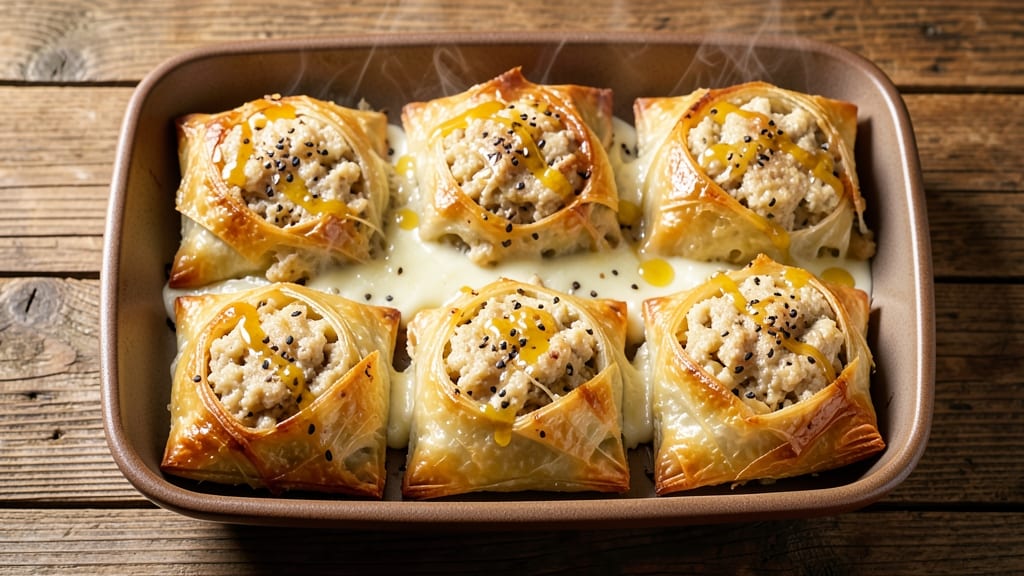
Mastering potato bourekas means achieving those flaky phyllo layers that shatter at the touch of a fork while encasing tender, cheesy potato filling. This recipe transforms simple ingredients into a restaurant-worthy dish that’s perfect for holiday tables or family gatherings.
The secret lies in keeping the phyllo sheets buttery and the potato mixture just moist enough to hold together without falling apart.
What sets these bourekas apart is the balance between crispy edges and soft centers—a challenge I’ve perfected through years of testing. You’ll start with a basic potato filling (boiled, mashed, and seasoned), then layer it between sheets of phyllo dough brushed with melted butter.
The key step? Cutting the dough before baking ensures each piece pulls apart cleanly, revealing golden, flaky layers with every bite.
By the time they emerge from the oven, you’ll have a tray of cheesy, pull-apart bourekas that smell like a Mediterranean bakery. The phyllo will be crisp enough to hold its shape but tender enough to melt in your mouth, while the potato filling stays creamy and flavorful.
Serve warm with a side of tzatziki or a simple Greek salad for the full experience.
These bourekas work equally well as an appetizer, side dish, or even a light main course. For extra richness, add a sprinkle of feta or a handful of spinach to the filling before rolling. Let’s get started on creating your own batch of golden, flaky perfection.
Ingredients for potato bourekas
Golden layers and tender potato filling—just these ingredients transform into crispy bourekas.
| Ingredient | Amount | Notes |
|---|---|---|
| Russet Potatoes 🥔 | 2 lb | Medium size, peeled and cubed |
| Unsalted Butter 🧈 | ½ cup | Cold, cut into small pieces |
| Shredded Cheese 🧀 | 2 cups | Kasseri or Greek feta blend |
| Phyllo Dough Sheets 🍞 | 1 package | Thawed if frozen, kept covered |
| Large Eggs 🥚 | 2 whole | Beaten for egg wash |
| Milk 🥛 | ¼ cup | Whole milk for creaminess |
| Salt 🧂 | 1 tsp | Kosher or sea salt |
| Black Pepper 🌶️ | ½ tsp | Freshly ground preferred |
| Garlic Powder 🧄 | ½ tsp | For subtle flavor boost |
| Olive Oil 🫒 | 2 tbsp | For brushing phyllo layers |
| Fresh Dill 🌿 | ¼ cup | Chopped, optional garnish |
| All-Purpose Flour 🌾 | 1 tbsp | For dusting work surface |
| Baking Powder 🧪 | ¼ tsp | For potato filling |
The phyllo dough is non-negotiable here. Filoni or Mikros brands are my go-tos—they stay crispy and don't crumble. Grab the phyllo from the freezer section and let it thaw in the fridge overnight (or for 2 hours at room temp). Keep it covered with a damp towel so it doesn't dry out. For the cheese, Kasseri melts beautifully, but a mix of feta and mozzarella works too. Pre-shredded cheese has anti-caking agents that make the filling gummy—grate your own if you can. The potatoes? Russets
No phyllo sheets? Puff pastry is a decent backup, but the texture won't be the same. Short on Kasseri? Gouda or provolone melt well, though they're richer. The dill is optional but adds that Mediterranean touch—dried oregano works in a pinch. For the potato filling, I add a pinch of baking powder to keep things light. If you're using waxy potatoes, boil them until fork-tender (about 15 minutes) so they mash smoothly. The butter should be cold when you mix it in—this keeps the filling firm enough to hold its shape between phyllo layers. Phyllo dough dries out fast, so work with one sheet at a time. Brush each layer with olive oil (not butter—it burns too easily) and keep the rest of the package sealed. These bourekas reheat beautifully—just pop them in a 350°F oven for 5-10 minutes until the edges are crispy again. They freeze well too: bake as directed, cool completely, then store in an airtight container for up to 3 months. I like to portion them into individual servings before freezing so I can grab just what I need.
Why You'll Love This Recipe
- No-Fuss Assembly: I swear, the hardest part is peeling the potatoes—everything else is just layering. Boil them, mash them with butter, mix in cheese, wrap in phyllo like a lazy lasagna, and bake. That’s it. No rolling dough, no fussing with shapes.
- Crispy-Creamy Magic: The secret’s in the butter—slathered on the phyllo so it gets golden and shatteringly crisp, while the inside stays pillowy with that melted cheese. Honestly, the first bite makes me forget I’m not at a Greek bakery.
- Picnic to Potluck: These disappear at gatherings—no one cares if they’re fancy, they just want seconds. Pack them for lunch, serve them at brunch, or freeze half for when you’re too tired to cook. (Yes, even on a Tuesday night.)
- Budget Stretch: Russets are cheap, cheese is affordable, and phyllo goes a long way. One pan, one egg to bind, and you’ve fed four people for the price of takeout. Leftovers? Even better—reheat and they taste like you made them fresh.
Step-by-step instructions for potato bourekas recipe
Here's how to create those irresistible flaky layers—crispy, cheesy, and perfect every time.
Prepare the Potato Filling
Start by boiling the 2 lb Russet Potatoes in salted water for 15-20 minutes until fork-tender. Drain and let them cool slightly before peeling and roughly mashing them in a large bowl. The texture should be slightly lumpy—not smooth like mashed potatoes.
In a separate small bowl, melt the 0.5 cup Unsalted Butter over low heat. Once melted, stir in the 2 cups Shredded Cheese, 0.25 tsp Baking Powder, 1 tsp Salt, 0.5 tsp Black Pepper, and 0.5 tsp Garlic Powder. Let the mixture cool for 5 minutes before combining it with the mashed potatoes. Mix well until fully incorporated—this ensures a flavorful, cohesive filling.
Assemble the Bourekas
Preheat your oven to 375°F and line a baking sheet with parchment paper. Lightly brush a clean work surface with 2 tbsp Olive Oil and dust with 1 tbsp All-Purpose Flour to prevent sticking. Unfold the 1 package Phyllo Dough Sheets, keeping them covered with a damp towel to prevent drying.
Cut the phyllo sheets into 6 equal rectangles (about 6x8 inches each). Spread 1/6 of the potato filling onto one rectangle, leaving a 1-inch border around the edges. Fold the sides inward, then roll tightly into a log, sealing the edges as you go. Place the bourekas seam-side down on the prepared baking sheet.
Layer and Bake for Flaky Perfection
In a small bowl, whisk together the 2 whole Large Eggs and 0.25 cup Milk to create an egg wash. Brush the bourekas lightly with this mixture, then sprinkle with the remaining 0.25 cup Fresh Dill if using. Bake for 25-30 minutes until golden brown and crispy.
Here's the trick for flaky layers: after 15 minutes, brush the bourekas again with the egg wash and return them to the oven. This extra step ensures a crispy, golden exterior while keeping the filling moist. Watch closely in the last 5 minutes—they’re done when the phyllo turns a deep golden color and smells irresistible.
Rest and Serve Warm
Remove the bourekas from the oven and let them rest for 5 minutes before serving. This resting time allows the filling to set slightly, making it easier to slice and serve. Cut into 1-inch pieces and serve warm with a side of tzatziki or a simple Greek salad.
For extra crispiness, broil for 1-2 minutes at the end—just watch them like a hawk to avoid burning. The key to success is keeping the phyllo sheets covered until you're ready to use them and brushing with the egg wash generously. Enjoy your cheesy, pull-apart delight!
Pro Tips For Making Potato Bourekas
- Boil Potatoes Until Fork-Tender: I used to overcook them into mush, but stop when they’re just soft enough to mash—about 15 minutes for Russets cut into 1-inch chunks. You want them to hold shape when pressed, not collapse like wet socks.
- Brush Phyllo with Butter: Skip the dry sheets—melted butter between layers makes all the difference. Use a pastry brush and don’t skimp; every sheet should glisten. (Yes, even the top one—it’s worth the extra 30 seconds.)
- Prevent Cheese Sogginess: Drain shredded cheese and pat it dry with a paper towel before layering. Wet cheese turns bourekas into a sad, greasy brick. I learned this after one disastrous batch where the filling oozed out like a science experiment gone wrong.
- Bake in Stages: Start at 375°F for 20 minutes, then crank to 400°F for the last 10. This ensures the bottom browns without burning while the top gets crisp. (I know, I know—it’s two oven adjustments, but it’s the only way to avoid charred phyllo.)
Pro cooking tips for perfect results
Phyllo Handling Secrets
Phyllo sheets are delicate—work with one sheet at a time to prevent drying. Keep the rest of the package sealed with a damp towel while you assemble. Brush each layer with olive oil (not butter) using a pastry brush for even coverage.
I swear by Filoni brand phyllo for its crispy texture and resistance to crumbling. 🧈
Filling Consistency Matters
The potato filling should be firm but not dry—think of it like thick mashed potatoes with a slight lump. If it’s too wet, the bourekas will leak filling; if too dry, they’ll be dense.
I add baking powder to lighten the texture. For extra flavor, mix in 1 tbsp chopped fresh dill directly into the filling before rolling. 🌿
Cutting for Perfect Pull-Apart
Before baking, use a sharp knife to score the bourekas into 1-inch sections along the length. This creates clean pull-apart pieces while baking. For extra flakiness, I make two cuts on opposite sides of each log before rolling.
The cuts should be shallow—just enough to guide the knife through the phyllo layers. ✨
Egg Wash Timing
Brush the bourekas with egg wash right before baking, then again after 15 minutes in the oven. This double application ensures a golden, crispy exterior without sogginess.
I use a light coat—too much wash makes the phyllo sticky and gummy. For extra shine, add 1 tsp milk to the egg wash. 🥚
Oven Temperature Control
Keep your oven at 375°F—any hotter, and the phyllo burns before the filling cooks through. Rotate the baking sheet halfway through for even browning. If your bourekas aren’t golden enough after 30 minutes, broil for 1-2 minutes on high. Watch closely to avoid over-browning! 🔥
Resting Before Serving
Let bourekas rest for 5-10 minutes after baking. This allows the filling to set and the phyllo to crisp up. Serve warm, but not piping hot—hot bourekas can make the phyllo too soft. For reheating, pop individual pieces in a 350°F oven for 5 minutes to restore crispiness. 💫
Nutrition facts
Frequently asked questions
Can I make potato bourekas without phyllo dough?
Yes! While phyllo creates the classic flaky texture, you can substitute with puff pastry or even thinly rolled pie dough. For puff pastry, wrap the potato filling in a sheet, fold into a log, and bake at 375°F for 20-25 minutes until golden. The texture will be richer but still delicious.
How do I prevent the filling from leaking out?
Keep your potato filling firm but not dry—it should hold its shape when pressed gently. If it's too wet, add 1-2 tablespoons of flour or 1 extra tablespoon of shredded cheese to absorb moisture. Also, make sure to seal the edges tightly when rolling.
Can I bake these bourekas ahead of time?
Bourekas freeze beautifully. Bake them as directed, cool completely, then store in an airtight container for up to 3 months. To reheat, pop individual pieces in a 350°F oven for 5-10 minutes until crispy. You can also refrigerate them for 2-3 days—just reheat in the oven to restore crispness.
What cheese works best for the filling?
Kasseri or Greek feta are ideal for their meltability and tangy flavor. For extra richness, mix with mozzarella or provolone. Avoid pre-shredded cheese—it contains anti-caking agents that make the filling gummy. Freshly grated cheese gives the best texture.
Why did my bourekas turn out dense instead of flaky?
Dense bourekas usually mean the filling was too wet or the phyllo wasn't brushed properly. Ensure your potato mixture is firm but not sticky and brush each phyllo layer with olive oil before adding filling. Also, don't overfill—leave a 1-inch border around edges. If using puff pastry, chill it before rolling to prevent shrinking.