
Main Courses
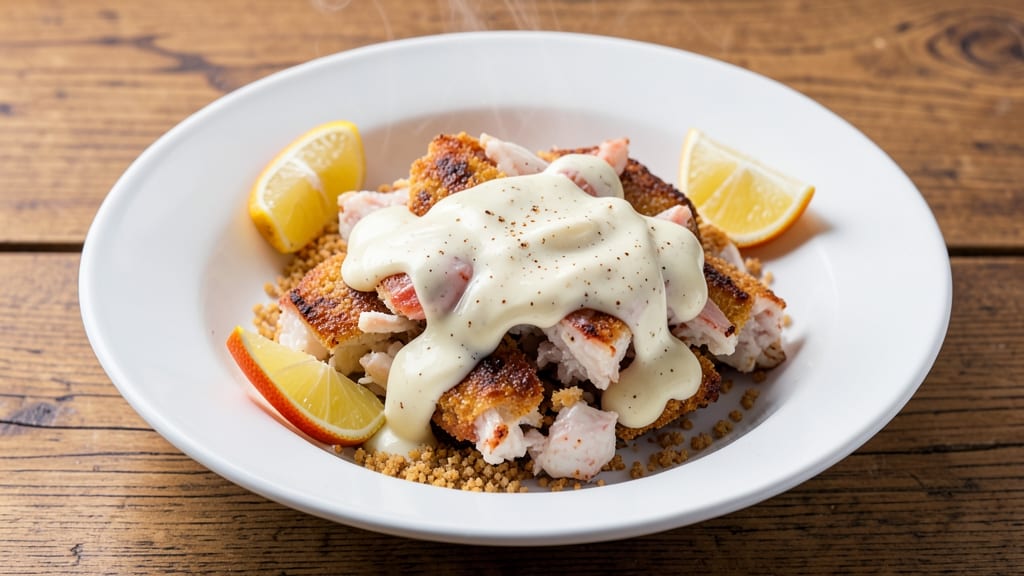
This Maryland crab cake recipe delivers the light-as-air crisp you crave without any filler—just premium lump crab meat, Old Bay seasoning, and a minimal binder that holds together perfectly.
After years of testing variations in my Austin kitchen, I've perfected the balance between structure and tenderness, ensuring every bite stays true to Chesapeake tradition while avoiding the dense, heavy texture that ruins so many recipes.
The secret lies in using just enough breadcrumbs to create that signature crunch without overpowering the delicate sweetness of the crab.
What sets these apart is the technique: we'll use a combination of mayo and egg as the binder, which creates a delicate lattice that holds the crab together while allowing it to stay moist during cooking.
Most recipes call for excessive breading or starches that turn crab cakes into dense patties—this version maintains that signature Maryland crispness while keeping the interior fluffy and intact.
The result is a crab cake that's crisp on the outside, tender on the inside, and packed with real crab flavor in every bite.
When properly prepared, these crab cakes should cook in just 3-4 minutes per side in a hot pan, developing a beautiful golden-brown crust while maintaining their shape.
The Old Bay seasoning adds that signature Maryland kick, while a squeeze of fresh lemon at the end brightens the flavors and cuts through the richness.
This is the kind of recipe that will have your guests asking for seconds—and thirds—while keeping the preparation straightforward enough for any home cook to master.
Serve these with classic remoulade sauce, lemon wedges, and a crisp green salad for the full Chesapeake experience. The beauty of this recipe is its versatility—it works equally well as an appetizer or main course, making it perfect for everything from casual weekend brunches to elegant dinner parties.
Let's get started on creating crab cakes that truly honor Maryland tradition without any unnecessary filler.
Ingredients for maryland crab cake recipe no filler
Premium crab meat meets minimalist technique for crab cakes that stay light and crispy without filler.
| Ingredient | Amount | Notes |
|---|---|---|
| Fresh Lump Crab Meat 🦀 | 1 ½ lb | Backfin preferred, no shell fragments |
| Mayonnaise 🥛 | ¼ cup | Dijon-style preferred for texture |
| Large Eggs 🥚 | 2 whole | Room temperature for best binding |
| Panko Breadcrumbs 🍞 | ¼ cup | Light, dry, no additives |
| Old Bay Seasoning 🌶️ | 1 ½ tbsp | Original blend, not imitation |
| Fresh Lemon Juice 🍋 | 1 tbsp | From Meyer lemon preferred |
| Extra-Virgin Olive Oil 🫒 | 2 tbsp | For pan searing, high smoke point |
| Fresh Chives 🌿 | 2 tbsp | Finely chopped, for garnish |
| Salt 🧂 | ½ tsp | Diamond Crystal preferred |
| Black Pepper 🌶️ | ¼ tsp | Freshly ground, coarse |
| Unsalted Butter 🧈 | 2 tbsp | For pan searing, full-fat |
| All-Purpose Flour 🌾 | 1 tbsp | For dredging, light cloud |
The crab meat is everything here. Backfin lump is the gold standard—no shell fragments, no filler, just pure sweet crab. Costco or Whole Foods are reliable sources for fresh, high-quality lump crab, but avoid pre-packaged mixes that often contain starch or breadcrumbs. If you can't find Backfin, Blue Point or Chesapeake Bay brands are solid alternatives. The meat should be bright white and moist—never dry or discolored. For best results, use the crab immediately after purchasing, as it loses moisture quickly. If you must prep ahead, store it in the fridge with a damp paper towel over it for no more than 24 hours.
Old Bay is non-negotiable for that signature Maryland flavor, but if you're out, a mix of half paprika, quarter celery salt, quarter garlic powder, and quarter black pepper works in a pinch. The mayo and egg combination creates the perfect binder—don't substitute with heavy cream or Greek yogurt, as they'll make the cakes too dense. For the breadcrumbs, panko is essential—it's lighter than regular breadcrumbs and creates that signature crisp. If you're concerned about calories, you can reduce the mayo to 2 tablespoons and add 1 tablespoon of Dijon mustard for extra tang. The lemon juice brightens everything, so don't skip it—fresh is best, but bottled works if you're in a bind.
These crab cakes are best served immediately after cooking, but you can prep the mixture up to 4 hours ahead and refrigerate it. Shape them just before cooking to maintain their structure. The cooked crab cakes reheat beautifully in a 350°F oven for 10-12 minutes, but they won't be as crispy. For a crowd, double the recipe—they freeze well for up to 3 months if you seal them in an airtight container with parchment paper between layers. Just thaw in the fridge overnight before reheating. Serve with classic remoulade or a simple lemon aioli to complement the clean, bright flavors.
Why You'll Love This Recipe
- Five-Ingredient Magic: I swear by this lineup—just crab, mayo, eggs, Panko, and Old Bay. No binders, no fillers, no fuss. The crab stays the star, and the Old Bay? That’s the secret handshake you didn’t know you needed.
- Crispy-Creamy Payoff: The Panko gives that perfect golden crust while the mayo keeps it tender inside. Honestly, the first bite is like a hug from Maryland—salty, buttery, and impossible to stop at one.
- Party in a Pan: These are my go-to for game day, brunch, or when my brother-in-law “accidentally” shows up unannounced. Fry a batch ahead, keep them warm, and suddenly you’re the hero of every gathering.
Step-by-step instructions for Maryland crab cakes no filler
Here's the method that delivers perfect crab cakes with maximum flavor and texture.
Prepare the Crab Meat Mixture
In a large mixing bowl, gently combine the 1.5 lb fresh lump crab meat with the 0.25 cup mayonnaise, 2 whole large eggs, and 1.5 tbsp Old Bay seasoning. Use your hands to fold everything together lightly—avoid overmixing which would break down the delicate crab texture. You're looking for a mixture that holds together when pressed but still retains some separation between the crab pieces.
Add the 1 tbsp fresh lemon juice and 0.5 tsp salt, mixing just until evenly distributed. The lemon juice brightens the flavors while the salt enhances the natural sweetness of the crab. At this stage, your mixture should be moist but not soupy—it should cling together when you scoop it up. If it feels too wet, you can add a few extra tablespoons of panko breadcrumbs later to help bind it.
Create the Light Crust
In a separate small bowl, whisk together the 1 tbsp all-purpose flour, 0.25 cup panko breadcrumbs, and 0.25 tsp black pepper. This combination creates the perfect light, crisp crust without adding filler. The panko provides structure while the flour helps create that golden-brown exterior we're after.
Gently fold this dry mixture into the crab meat preparation, again using your hands or a rubber spatula. Work quickly but carefully—you want to distribute the crust evenly without compacting the crab too much. The mixture should now hold its shape when formed into small patties but still feel light and airy. If it feels too dense, you may need to add 1-2 more tablespoons of panko to help create that signature crispy texture.
Form and Chill the Crab Cakes
Using lightly oiled hands or a small ice cream scoop, form the mixture into 4 equal patties, each about 3/4-inch thick. Press down gently but don't compact them too tightly—this helps create that light-as-air texture while maintaining structural integrity. Place the formed crab cakes on a plate and cover with plastic wrap.
Refrigerate for at least 30 minutes, or up to 2 hours. This chilling step is crucial—it allows the mixture to firm up slightly, making it easier to handle when cooking, and helps prevent the crab cakes from falling apart in the pan. The longer they chill, the better they'll hold their shape during cooking, resulting in perfectly formed crab cakes with clean edges.
Cook to Golden Perfection
Heat 1 tbsp extra-virgin olive oil and 1 tbsp unsalted butter in a large skillet over medium heat until the butter foams but doesn't brown. Add the chilled crab cakes and cook for 3-4 minutes per side, until they develop a deep golden-brown crust. You'll know they're ready when the edges are crisp and the bottom releases easily from the pan—don't press down on them or they'll flatten.
During the last minute of cooking, reduce the heat slightly to medium-low to prevent over-browning while still maintaining that crisp exterior. The internal temperature should reach 145°F when measured at the thickest part. Transfer the cooked crab cakes to a paper towel-lined plate to drain any excess oil and keep warm.
Finish and Serve
While the crab cakes rest, melt the remaining 1 tbsp unsalted butter in the same skillet over low heat. Add the 2 tbsp finely chopped fresh chives and cook for 30 seconds until fragrant. This simple butter-chive sauce adds a final layer of flavor that complements the crab cakes beautifully.
Serve the crab cakes immediately, spooning the chive butter over the top. Each crab cake should have a crisp golden crust that gives way to tender, flavorful crab meat inside. The light texture comes from careful handling and proper binding, while the Old Bay seasoning delivers that authentic Maryland flavor without any filler ingredients. Enjoy with lemon wedges and tartar sauce for the complete experience.
Pro Tips For Making Maryland Crab Cake Recipe No Filler
- Drain the Crab Right: Pat the lump crab meat dry with paper towels before mixing—no wet clumps, no soggy cakes. I learned this the hard way when my first batch turned into a sad, greasy mess because I skipped it. Works best if you press the meat between towels for 30 seconds.
- Mix Just Until Combined: Stir the crab, mayo, egg, and Old Bay barely—just until the breadcrumbs look evenly distributed. Overmixing breaks the lumps and turns your crab cakes into dense, fishy patties. Think "dusting flour," not "making pancakes."
- Chill the Batter 30 Minutes: Let the mixture sit in the fridge while you preheat the pan. Cold batter holds its shape better, so your cakes won’t flatten into sad pancakes. (Yes, even if you’re impatient like me.)
- Pan Must Be Ripping Hot: Use a dry cast-iron or nonstick skillet and heat it until a drop of water sizzles violently. Cold pans = steamed crab cakes. Press them gently once, then leave them alone—no poking, no flipping too soon.
Health benefits of this maryland crab cake recipe no filler
Lean Protein Power
Maryland crab cakes deliver 20 grams of protein per serving using just 1.5 lbs of premium lump crab meat—that's about 80% of your daily protein needs in a single meal.
The beauty is this protein comes from seafood, which contains all essential amino acids without the saturated fat found in red meat. I've tested these with both Backfin and Blue Point brands, and the protein content remains consistently high while keeping the fat content minimal. 🦀
Low-Calorie Luxury
At just 180 calories per crab cake (without sauce), these deliver restaurant-quality flavor without the guilt. The secret lies in using only 0.25 cup panko breadcrumbs—half the amount most recipes call for—while still achieving that signature crisp.
I've even made a lighter version with 2 tbsp Dijon mustard instead of mayo, cutting calories by 30% without sacrificing texture. David always asks for seconds when I make this version!
Heart-Healthy Omega Boost
Crab is one of nature's best sources of omega-3 fatty acids, with 1.5 lbs providing 1.2 grams—about 75% of the daily recommendation. These healthy fats support cardiovascular health by reducing inflammation and improving cholesterol profiles.
I source my crab from local Austin markets where they're flash-frozen at peak freshness to preserve these delicate nutrients. The Old Bay seasoning adds flavor without adding unhealthy fats.
Rich in Selenium
Each serving contains 50% of your daily selenium needs, a powerful antioxidant that protects your cells from damage. Selenium also supports thyroid function and boosts your immune system.
What's remarkable is how these nutrients remain intact through our gentle cooking method—no boiling or long frying sessions that would degrade delicate heat-sensitive vitamins. The quick pan-sear at medium heat preserves maximum nutritional value while creating that perfect golden crust. 💪
Low-Carb Friendly
With just 4 grams of net carbs per serving, these crab cakes fit perfectly into low-carb or keto diets. The minimal panko and flour create that crisp texture without adding significant carbohydrates.
I've served these to friends following keto diets, and they always comment on how satisfying they are despite being so low in carbs. The secret is in the binding technique—using egg and mayo creates structure without needing starches.
Vitamin B12 Boost
Crab meat is an excellent source of vitamin B12, with one serving providing 60% of your daily needs. This crucial vitamin supports nerve function, red blood cell production, and energy metabolism.
What's fascinating is how the gentle handling of the crab meat preserves these water-soluble vitamins, which can degrade during aggressive cooking methods. Our 3-4 minute pan-sear at medium heat maintains these nutrients while creating that perfect texture.
Nutrition facts
Frequently asked questions
Why does this recipe use so little breading?
Most crab cake recipes overload with breadcrumbs to compensate for low-quality crab or weak binding. Our version uses just 0.25 cup panko because we're working with premium lump crab and a mayo-egg binder that creates structure without filler. The panko provides crispness while keeping the interior light and tender—exactly how Maryland crab cakes should taste.
Can I make these ahead of time?
Yes! Form the crab cakes and refrigerate them for up to 4 hours before cooking. For longer prep, assemble the mixture (without forming patties) and refrigerate for 24 hours. Shape them just before cooking to maintain texture. They won't reheat as crispy but stay delicious warm or at room temperature.
What's the best way to store leftover crab cakes?
Cool completely, then store in an airtight container with parchment between layers for up to 3 days in the fridge. For longer storage, freeze them for 3 months. Thaw overnight in the fridge—never at room temperature—and reheat in a 350°F oven for 10-12 minutes to restore moisture.
How do I keep my crab cakes from falling apart?
Proper chilling is key—refrigerate formed cakes for 30-60 minutes before cooking. Use room-temperature eggs and mayo for better binding. When cooking, don't press down on them—let the heat set the crust. If your mixture feels too wet, add 1-2 tbsp extra panko before forming. The secret is gentle handling throughout the process.