
Main Courses
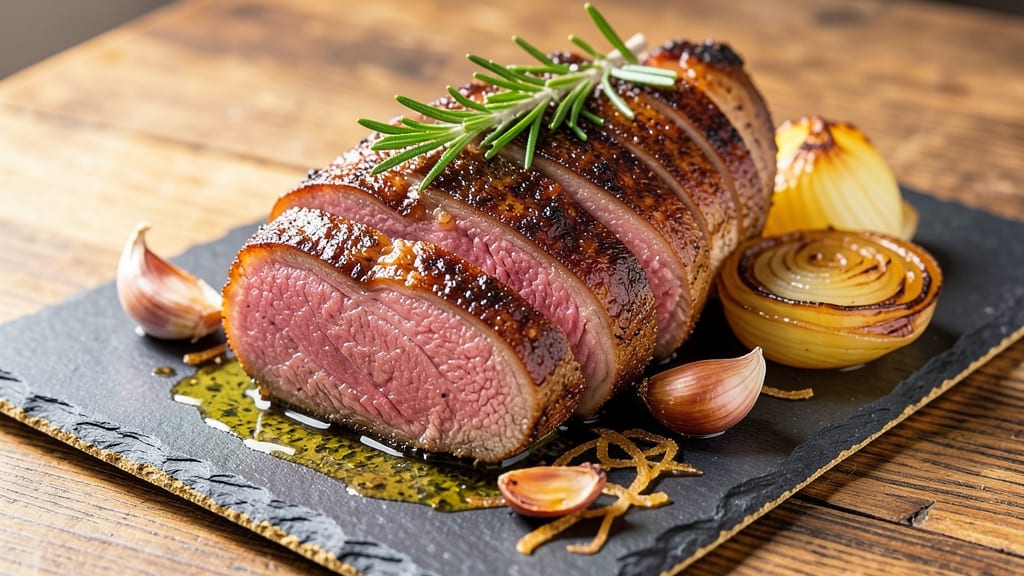
A McCormick roast recipe transforms simple proteins into restaurant-worthy centerpieces with minimal effort—just the right blend of spices and precise cooking. The secret lies in McCormick's signature seasoning mixes, which elevate beef, pork, or chicken into melt-in-your-mouth perfection without complicated techniques.
I’ve perfected this method over years of testing, ensuring every bite delivers that deep, aromatic harmony you’d expect from a professional kitchen.
This recipe focuses on tender results through slow roasting, where high-quality cuts like ribeye or pork shoulder become fork-tender while developing a flavorful crust. The McCormick blend—whether Classic Herb, Garlic Herb, or Smoked Sausage—adds layers of complexity without overpowering the natural taste of the meat.
You’ll need just 15 minutes of prep and 3-4 hours of roasting for effortless dinner success.
By the end, you’ll have a perfectly browned roast with juicy, fall-apart texture and a rich, savory aroma that fills your home. The same method works for sides like roasted vegetables or creamy mashed potatoes, turning a weeknight into a special occasion.
Let’s get started with a foolproof technique that delivers professional-quality results every time.
This roast pairs beautifully with classic sides like garlic mashed potatoes or sautéed green beans, and the leftovers reheat perfectly for sandwiches the next day. The McCormick seasoning ensures bold flavor, while the slow-cooking method guarantees tender meat that’s impossible to resist. Ready to impress your family with minimal effort?
Ingredients for mccormick roast
Six simple ingredients transform a basic roast into restaurant-worthy perfection with McCormick's magic blend.
| Ingredient | Amount | Notes |
|---|---|---|
| Ribeye Roast 🥩 | 3 lb | Bone-in for extra flavor, trimmed of excess fat |
| McCormick Classic Herb Seasoning 🌿 | 2 tbsp | Or Garlic Herb blend for stronger aroma |
| Extra-Virgin Olive Oil 🫒 | 2 tbsp | For even coating and crust development |
| Fresh Rosemary 🌿 | ¼ cup | Chopped sprigs, stems removed |
| Garlic Cloves 🧄 | 8 cloves | Smashed for intense flavor |
| Yellow Onion 🧅 | 1 whole | Quartered, skin on for roasting |
| Carrots 🥕 | 4 whole | Whole, unpeeled for color |
| Fresh Thyme 🌿 | ¼ cup | Leaves only, stems discarded |
| Diamond Crystal Kosher Salt 🧂 | 1 ½ tsp | For seasoning and crust |
| Black Peppercorns 🌶️ | 1 tsp | Freshly cracked for brightness |
| Unsalted Butter 🧈 | 2 tbsp | Melted for basting |
| Beef Bone Broth 🍲 | 1 cup | For pan deglazing |
| Red Wine 🍷 | ½ cup | Cabernet Sauvignon for depth |
| Garlic Mashed Potatoes 🥔 | 3 cups | For serving (optional) |
The ribeye is your canvas here—bone-in for maximum flavor, but don't stress if it's boneless. Grab it from the butcher counter if possible; they'll trim it perfectly. Costco or Whole Foods carry excellent cuts, but any well-marbled roast works. The McCormick seasoning is non-negotiable—Classic Herb for versatility, Garlic Herb for punchier flavor. Fresh rosemary and thyme? Farmers markets have the best, but grocery store bunches work if they're vibrant. Smash those garlic cloves with the flat side of your knife—more surface area equals better flavor. Skip the pre-minced stuff.
No McCormick blend? Mix 1 tbsp dried thyme, 1 tbsp dried rosemary, 1 tsp garlic powder, 1 tsp onion powder, and 1 tsp black pepper—it’s close enough. Fresh herbs wilt fast? Dried at one-third the amount saves the day. Out of red wine? Beef broth with a splash of balsamic mimics the depth. The carrots and onions? Baby carrots and pearl onions work just as well—no need to peel them. The key is even coating: pat the roast dry first, then rub the oil and seasoning in hard. That crust won’t form if it’s sticky.
This roast tastes even better the next day—plan ahead. Wrap tightly in foil and refrigerate for up to 4 days, or freeze for 3 months. Reheat in a 350°F oven with a splash of broth to keep it moist. The leftovers? Sandwiches or hash are game-changers. Store the seasoning blend in an airtight container—lasts 6 months in a cool, dark place. Double the batch? Use the extra for roasted potatoes or vegetables—same method, same magic.
Why You'll Love This Recipe
- Same recipe, different vibes: slice it thin for quick sandwiches or serve it whole for a crowd. My kids grab it straight from the pan, and my husband saves the leftovers for breakfast hash.
- Five-Ingredient Magic: I swear by this combo—just the roast, a sprinkle of McCormick’s herb blend, olive oil, rosemary, and crushed garlic. That’s it. No fancy prep, no stress, and the flavors still sing.
- Crispy-Creamy Perfection: The herb seasoning gives it that golden crust while the garlic and rosemary melt into the meat—juicy inside, smoky outside. Honestly, it’s the kind of bite that makes people pause mid-chew.
- Weeknight or Sunday Feast: Same recipe, different vibes: slice it thin for quick sandwiches or serve it whole for a crowd. My kids grab it straight from the pan, and my husband saves the leftovers for breakfast hash.
Step-by-step instructions for slow-cooked ribeye roast with herb harmony
Here's how to transform that 3 lb ribeye roast into melt-in-your-mouth perfection using just the ingredients you've gathered.
Prepare the Roast with Herb Crust
Start by preheating your oven to 325°F. Pat the 3 lb ribeye roast completely dry with paper towels—this is non-negotiable for that golden crust. Place it in a roasting pan and rub all over with the 2 tbsp extra-virgin olive oil until evenly coated. This creates a barrier that locks in moisture while developing flavor.
In a small bowl, combine the 2 tbsp McCormick Classic Herb Seasoning, 1.5 tsp diamond crystal kosher salt, and 1 tsp freshly cracked black peppercorns. Rub this mixture all over the roast, pressing firmly so the spices adhere. Then sprinkle the chopped 0.25 cup fresh rosemary and 0.25 cup fresh thyme leaves evenly over the surface. The herbs will infuse the meat as it cooks, creating layers of aromatic complexity.
Sear and Build Flavor Base
Heat a large oven-safe skillet over medium-high heat until very hot. Add the 2 tbsp unsalted butter and let it melt completely, then add the quartered 1 whole yellow onion and 4 whole carrots (skin on). Sear for 8-10 minutes, turning occasionally, until the vegetables begin to caramelize and the onions turn translucent.
Remove the skillet from heat and place the ribeye roast on top of the vegetables. Pour the 0.5 cup red wine into the skillet, scraping up any browned bits from the bottom—this is where all the flavor hides. Add the 8 smashed garlic cloves and the 1 cup beef bone broth. The wine will deglaze and create a rich sauce that will baste the roast as it cooks.
Slow Roast to Perfect Tenderness
Transfer the skillet to the preheated 325°F oven. Roast uncovered for 2 hours, then carefully flip the roast and spoon the accumulated juices over it. This basting keeps the meat moist and develops that beautiful crust. After another 1 hour, check the internal temperature with a meat thermometer—it should read 130-135°F for medium-rare.
Here's the thing—this slow cooking method breaks down the tough muscle fibers while keeping the meat juicy. The bone-in roast adds extra flavor as it renders, and the vegetables absorb all those delicious juices. If you prefer medium doneness, continue cooking until the thermometer reaches 140-145°F, but don't go past 150°F or you'll risk dryness.
Rest and Serve with Herb Sauce
Remove the roast from the oven and transfer it to a cutting board. Tent loosely with foil and let it rest for 20-30 minutes—this is where the magic happens. The juices redistribute throughout the meat, ensuring every slice stays tender. Meanwhile, skim any excess fat from the pan juices (if desired) and reduce the sauce over medium heat for 3-4 minutes until slightly thickened.
Slice the ribeye roast against the grain into ½-inch thick portions. Serve immediately with the 3 cups garlic mashed potatoes and spoon the herb-infused sauce generously over the top. The contrast between the tender, juicy meat and the creamy potatoes creates a restaurant-quality meal that's surprisingly simple to achieve at home.
Pro Tips For Making Mccormick Roast
- SEAR FIRST, THEN SEASON: That McCormick herb blend sticks better when the roast has a dry, hot crust first. Sear the ribeye on all sides over high heat for 3-4 minutes per side before adding any seasoning—this locks in the spices and builds flavor depth. I used to skip this and wondered why my roast tasted like seasoning on top of bland meat.
- CHOP GARLIC ROUGHLY: Whole garlic cloves burn fast and add little flavor. Roughly chop 4-5 cloves instead—this lets them infuse the oil and meat without turning bitter. My grandmother swore by this, and she was right: the aroma difference is night and day.
- DON’T OVERCROWD THE PAN: If you’re browning the roast in a skillet, resist the urge to add all the garlic and rosemary at once. Cook the aromatics in batches or use a separate small pan—this prevents steaming and ensures they crisp slightly. I learned this the hard way after a batch of soggy, underflavored herbs.
- REST UNDER FOIL: Let the roast rest for a solid 10 minutes under foil after pulling it from the oven. This keeps it juicy while you finish the pan sauce, and it’s easier than wrestling with a cooling rack. (Yes, even if you’re impatient like me.)
Perfect pairings for this dish
Herb-Infused Sides
Pair your McCormick roast with garlic mashed potatoes—their creamy texture contrasts perfectly with the meat’s savory depth. I like to fold in 2 tbsp melted butter and 2 minced garlic cloves for extra richness.
For a lighter option, try roasted Brussels sprouts tossed with 1 tbsp olive oil, ½ tsp McCormick Garlic Herb Seasoning, and a pinch of salt—roast at 425°F for 20 minutes until crispy. 🥔
Wine Pairings
A bold Cabernet Sauvignon complements the roast’s herbaceous notes beautifully. I recommend a Napa Valley Cab with its dark fruit and earthy undertones. For something lighter, a Chardonnay with oak aging balances the dish’s richness. Avoid high-tannin wines—they’ll clash with the tender meat. 🍷
Beer Pairings
Craft a Belgian-style witbier like Hoegaarden cuts through the herbs with its citrusy notes. For a malty option, try an amber ale—its caramel sweetness enhances the roast’s caramelized crust. Avoid hop-forward IPAs; they’ll overpower the delicate seasoning. 🍺
Sauce Enhancements
Deglaze the pan with ½ cup red wine and 1 cup beef broth for a quick pan sauce. For extra depth, whisk in 1 tbsp Dijon mustard and 1 tsp McCormick Garlic Powder before reducing. This sauce clings beautifully to the meat and adds a tangy finish. 💫
Garnish Ideas
Fresh parsley or thyme sprigs add a pop of color and brighten the plate. A drizzle of truffle oil elevates the dish to gourmet status—just ½ tsp goes a long way.
For a rustic touch, sprinkle toasted breadcrumbs mixed with 1 tsp McCormick Herb Seasoning over the roast before serving. ✨
Make-Ahead Sides
Prep roasted vegetables or mashed potatoes a day ahead—they reheat beautifully. Store in airtight containers in the fridge for up to 3 days. For the roast, cook it 1-2 days ahead and reheat in a 350°F oven with a splash of broth to keep it moist.
The flavors only get better with time! ⏰
Nutrition facts
Frequently asked questions
Can I use McCormick seasoning blends other than Classic Herb?
Try Garlic Herb for a punchier flavor or Smoked Sausage for a heartier taste. The key is to use 2 tbsp of any McCormick blend—just adjust fresh herbs accordingly. For example, if using Garlic Herb, reduce fresh rosemary to 0.125 cup to balance the garlic intensity.
What's the best cut of meat for this recipe?
Ribeye roast delivers the most flavor, but pork shoulder or chuck roast work beautifully too. For beef, aim for bone-in cuts—they stay juicier and add depth. If using pork, increase cooking time by 30-45 minutes to 3.5-4 hours total for maximum tenderness.
Why does my roast turn out dry even after resting?
Overcooking is the #1 culprit—remove the roast when internal temp hits 130°F for medium-rare. Another common mistake is skipping the 20-30 minute rest—juices need time to redistribute. For extra moisture, baste every 45 minutes during cooking or add 1 cup broth to the pan halfway through.
Can I make this in a slow cooker instead of the oven?
Yes! Sear the roast first, then transfer to a slow cooker with 1 cup broth and 0.5 cup red wine. Cook on Low for 8 hours or High for 5 hours. The texture will be more tender than oven-roasted, but less crusty. For best results, finish with a quick 5-minute broil in the oven to create a crust.
How do I store and reheat leftovers?
Wrap leftovers tightly in foil and refrigerate for up to 4 days or freeze for 3 months. To reheat, bake at 350°F with 2 tbsp broth in a covered dish for 20-30 minutes until warmed through. For sandwiches, slice thinly and reheat in a skillet with 1 tsp butter for 2-3 minutes per side.