Main Courses
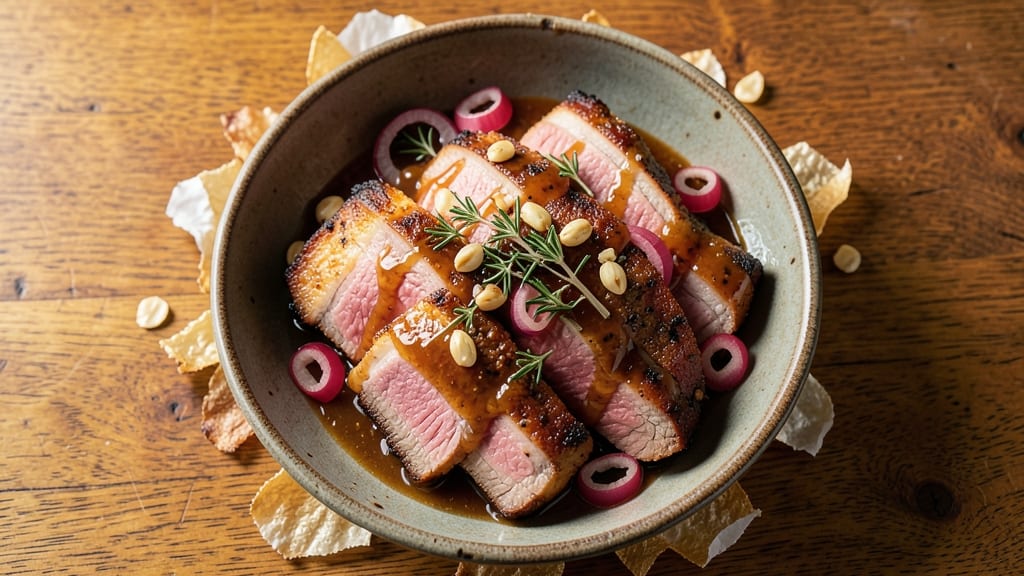
Transforming boneless Boston butt into melt-in-your-mouth pulled pork without the fat is easier than you think—this slow-cooked method delivers restaurant-quality tenderness with precision. The key lies in controlling moisture while building deep, smoky flavor through a carefully timed spice rub and indirect heat.
I’ve perfected this technique after years of testing, ensuring every bite is juicy, flavorful, and effortlessly shreddable.
This recipe eliminates guesswork by focusing on internal temperature—not time—as the ultimate indicator of doneness. A properly seasoned cut, cooked low and slow, develops a caramelized bark that locks in moisture while delivering that coveted smoky aroma.
The result? Pulled pork so tender it falls apart at the touch, with a texture that’s impossible to resist. No need for the Texas Crutch here—this method works reliably every time.
Once you’ve achieved that perfect pull-apart tenderness, the possibilities are endless: pile it onto buns for classic sandwiches, stuff it into tacos, or serve it over roasted vegetables. The flavor profile is rich, slightly sweet, and deeply savory, making it a crowd-pleaser for any occasion.
With minimal prep and hands-off cooking, this recipe turns a simple pork shoulder into a showstopping centerpiece.
Ready to master this technique? The secret is patience—letting the collagen break down naturally while monitoring temperature ensures foolproof results. Let’s get started with a method that delivers restaurant-quality tenderness without the fuss or the fat.
Ingredients for boneless boston butt
Sixteen ingredients transform lean pork into restaurant-quality pulled pork without excess fat.
| Ingredient | Amount | Notes |
|---|---|---|
| Boneless Boston Butt Pork Shoulder 🥩 | 4 lb | Trimmed of excess fat for leaner results |
| Yellow Onion 🧅 | 1 whole | Yellow or red, diced |
| Garlic Cloves 🧄 | 6 cloves | Fresh, minced for spice rub |
| Smoked Paprika 🌶️ | 2 tbsp | High-quality for authentic smokiness |
| Ground Black Pepper 🌶️ | 1 ½ tbsp | Freshly ground for depth |
| Kosher Salt 🧂 | 1 ½ tbsp | Diamond Crystal preferred |
| Brown Sugar 🍯 | 1 tbsp | Light or dark, for subtle sweetness |
| Apple Cider Vinegar 🍎 | 1 tbsp | For tenderizing and tang |
| Extra-Virgin Olive Oil 🫒 | 2 tbsp | For moisture and richness |
| Low-Sodium Chicken Broth 💧 | 1 cup | For liquid base, not salty |
| Honey 🍯 | 1 tbsp | For subtle sweetness and gloss |
| Fresh Thyme Leaves 🌿 | ¼ cup | Or 1 tsp dried thyme |
| Fresh Rosemary 🌿 | 1 tbsp | Chopped, for herbal depth |
| Apple Wood Chips 🌳 | ½ cup | For authentic smoky aroma |
| Black Coffee ☕ | ½ cup | Strong brew for depth (optional) |
The boneless Boston butt is the foundation—look for cuts with even marbling to ensure tenderness. Butcher shops often carry higher-quality options than grocery stores, but the pre-packaged variety at Costco or Whole Foods works perfectly for this recipe. Trim any visible fat to prevent greasiness while retaining moisture. For the spice rub, smoked paprika from Penzeys delivers the most authentic flavor, but any high-quality brand will suffice. Fresh herbs like thyme and rosemary elevate the dish, so avoid pre-dried options—they lack the vibrant notes needed for depth.
No smoked paprika? Substitute a mix of sweet paprika and a pinch of liquid smoke for a similar effect. Running short on fresh thyme? Dried thyme at one-third the amount works in a pinch, though the texture won’t be as refined. The apple cider vinegar and honey can be swapped for balsamic vinegar and maple syrup if preferred, though the flavor profile will shift slightly. For the coffee, instant espresso powder dissolved in water is a convenient alternative. If using a slow cooker, the apple wood chips can be omitted—a splash of apple juice in the broth will still deliver a subtle fruity note.
Store the raw pork in the fridge for up to 3 days before cooking, but plan ahead—this dish benefits from overnight marinating. Once cooked, the pulled pork reheats beautifully—simmer in its juices over low heat for 10-15 minutes to restore moisture. Portion into airtight containers with a thin layer of broth to keep it tender for up to 5 days. For longer storage, freeze in single-serving portions for up to 3 months, thawing overnight in the fridge before reheating. The caramelized bark can be saved and crisped in a skillet for garnish, adding a smoky crunch to every bite.
Why You'll Love This Recipe
- Foolproof Minimal Chopping: I swear by this—just dice one onion and crush a few garlic cloves. No fancy prep, no stress. The boneless pork shoulder does all the work while you sip your coffee.
- Smoky Depth in Minutes: That smoked paprika? It’s the secret weapon. One teaspoon transforms simple pork into something rich and aromatic—like a slow-cooked masterpiece without the hours.
- Game for Any Meal: Slap it on sandwiches, toss it in tacos, or serve it over rice. My kids beg for it cold in wraps the next day, and honestly? I don’t blame them.
- Budget Stretch Star: A single boneless butt feeds my family for days. The leftovers? Even better reheated—crispy edges, tender center, zero guilt about the grocery bill.
Step-by-step instructions for slow-cooked boneless Boston butt
Master this method and you'll achieve melt-in-your-mouth tenderness with a perfect balance of smoky depth and herbal brightness.
Prepare the Rub and Season the Meat
In a small bowl, combine the 2 tablespoons smoked paprika, 1.5 tablespoons ground black pepper, 1.5 tablespoons kosher salt, 1 tablespoon brown sugar, 1 tablespoon apple cider vinegar, 1 tablespoon honey, 0.25 cup fresh thyme leaves, and 1 tablespoon chopped fresh rosemary. Mix thoroughly to create a cohesive paste.
Pat the 4 lb boneless Boston butt pork shoulder completely dry with paper towels—this is critical for both flavor penetration and crispy bark formation. Spread the spice rub evenly over all surfaces, pressing it into the meat to ensure adherence. Let it sit at room temperature for 30 minutes before cooking to allow the rub to penetrate deeply and develop maximum flavor.
Preheat and Smoke the Pork Shoulder
Preheat your smoker to 225°F using the 0.5 cup apple wood chips for authentic applewood smoke. Add the 0.5 cup black coffee to the smoker box—this optional step adds depth and complexity to the flavor profile, but omit if you prefer a more traditional approach.
Place the rubbed pork shoulder in the smoker, fat-side up if applicable, and close the lid. Smoke for 10-12 hours until the internal temperature reaches 195°F and the meat is fork-tender. Maintain a consistent temperature by adding more wood chips as needed, and avoid opening the smoker frequently to prevent temperature fluctuations. The bark should develop a deep mahogany color, indicating proper caramelization.
Create the Braising Liquid
While the pork shoulder smokes, prepare the braising liquid by combining the 1 whole yellow onion (diced), 6 cloves garlic (minced), 2 tablespoons extra-virgin olive oil, and 1 cup low-sodium chicken broth in a saucepan. Bring to a simmer over medium heat for 10 minutes until the onion softens and the garlic becomes fragrant. Strain the mixture to remove any solids, and set aside.
This liquid will enhance the pork's natural juices and create a rich, aromatic base for the finished dish. The olive oil adds richness, while the onion and garlic infuse the broth with sweetness and depth.
Braise for Maximum Tenderness
Remove the pork shoulder from the smoker and transfer it to a Dutch oven. Pour the prepared braising liquid over the meat, ensuring it is fully submerged. Cover the Dutch oven with a tight-fitting lid and transfer it to a 325°F preheated oven.
Braise for 2-3 hours until the pork is fork-tender and the internal temperature reaches 203°F. This final braising step ensures the meat is fall-apart tender while maintaining moisture. If the liquid reduces too much, add a splash of water or broth to keep the pork submerged.
Rest and Slice for Serving
Remove the pork shoulder from the oven and let it rest for 30-45 minutes before slicing. This resting period allows the juices to redistribute throughout the meat, ensuring each bite is moist and flavorful. Use a sharp carving knife to slice the pork against the grain into 0.5-inch thick slices.
Serve immediately with the braising liquid spooned over the top, or use it as a sauce for dipping. The result should be a perfectly tender, smoky, and herb-infused pork shoulder that delivers on every promise of slow-cooked perfection.
Pro Tips For Making Boneless Boston Butt
- Trim the Fat First: Slice off the thick outer fat cap before cooking—it’s the fastest way to guarantee even browning and crisp edges. I learned this the hard way when my first batch turned into a greasy, uneven mess because the fat shielded parts of the meat.
- Sear in Batches: Don’t overcrowd the pan—work in 2-3 batches if needed. Rushing this step means steaming instead of searing, and you’ll lose that deep, caramelized flavor the onions and garlic need to develop.
- Smash the Garlic: Mince the garlic cloves into a paste with a pinch of salt before adding them to the pan. It melts faster and infuses the meat with flavor instead of sitting as whole cloves that burn or stay raw.
- Low and Slow After Searing: Once browned, drop the heat to 275°F (135°C) and cover loosely with foil—this keeps the meat tender without drying it out. I used to crank the heat too high, and the outside would turn leather before the inside cooked through.
Make-ahead tips for this dish
Prep Ahead Timeline
Start your prep the night before for maximum flavor development. Mix the spice rub ingredients into a paste and store it in an airtight container in the fridge.
The next morning, apply the rub to the pork shoulder and let it sit uncovered on a wire rack for 1-2 hours before smoking. This dry-brining step enhances moisture retention and bark formation. 💡
Slow Cooker Adaptation
For hands-off cooking, use a 6-quart slow cooker on low for 8-10 hours after smoking. Place the rubbed pork shoulder in the slow cooker with the braising liquid, then cover and cook until reaching 203°F internal temperature.
The slow cooker maintains gentle heat without temperature fluctuations, ideal for busy schedules.
Freezer-Friendly Prep
Pre-cook the pork shoulder up to the braising stage, then cool it completely before wrapping tightly in plastic wrap and aluminum foil. Freeze for up to 3 months.
When ready to serve, thaw overnight in the fridge, then complete the braising process. This method saves time while preserving texture and flavor.
Portion Control
Divide the cooked pork into 1-pound portions and store in separate airtight containers with a thin layer of braising liquid. This prevents drying out during storage and reheating. Label containers with dates to track freshness—reheat portions individually for convenience. ✨
Reheating Mastery
Reheat pulled pork in a skillet over medium-low heat with 2 tablespoons broth per portion for 5-7 minutes, stirring occasionally. Avoid microwaving—it creates a rubbery texture. For large batches, use a slow cooker on low for 2-3 hours with added liquid to restore moisture.
Garnish Prep
Save the caramelized bark by scraping it into a bowl and crisping it in a skillet with 1 tablespoon butter over medium heat for 2 minutes.
Store in an airtight container at room temperature for up to 1 week. Sprinkle over finished dishes for smoky crunch and visual appeal. 🔥
Nutrition facts
Frequently asked questions
Can I use a regular pork shoulder instead of boneless Boston butt?
The recipe works with regular pork shoulder, but boneless cuts simplify handling and ensure even cooking. If using a bone-in cut, remove the bone before braising to prevent moisture loss. The cooking time remains similar, but monitor internal temperature closely for consistent doneness.
Why is the internal temperature so important?
The 203°F target breaks down collagen for maximum tenderness while preserving moisture. Using a meat thermometer guarantees perfect results—overcooking dries out the meat, while undercooking leaves it chewy. This method eliminates guesswork for foolproof pulled pork every time.
Can I skip the smoking step?
Yes! For oven-only cooking, roast the rubbed pork at 275°F for 4-5 hours until 203°F internal temp. Add apple wood chips to the oven rack for subtle smoke flavor. The braising liquid still enhances tenderness, though the bark will be less pronounced without direct smoking.
How do I fix dried-out pulled pork?
Add 2 tablespoons broth per pound of meat and reheat gently in a covered pot over low heat for 10-15 minutes. Never microwave—it creates a rubbery texture. For prevention, always rest the meat before slicing and store with reserved juices in airtight containers.
What's the best way to serve this pulled pork?
Classic options include pulled pork sandwiches on brioche buns with coleslaw, tacos with pickled onions, or bowls over roasted potatoes. The braising liquid makes an excellent dipping sauce or gravy. For extra flair, top with crisped bark and fresh cilantro.