Sauces & Condiments
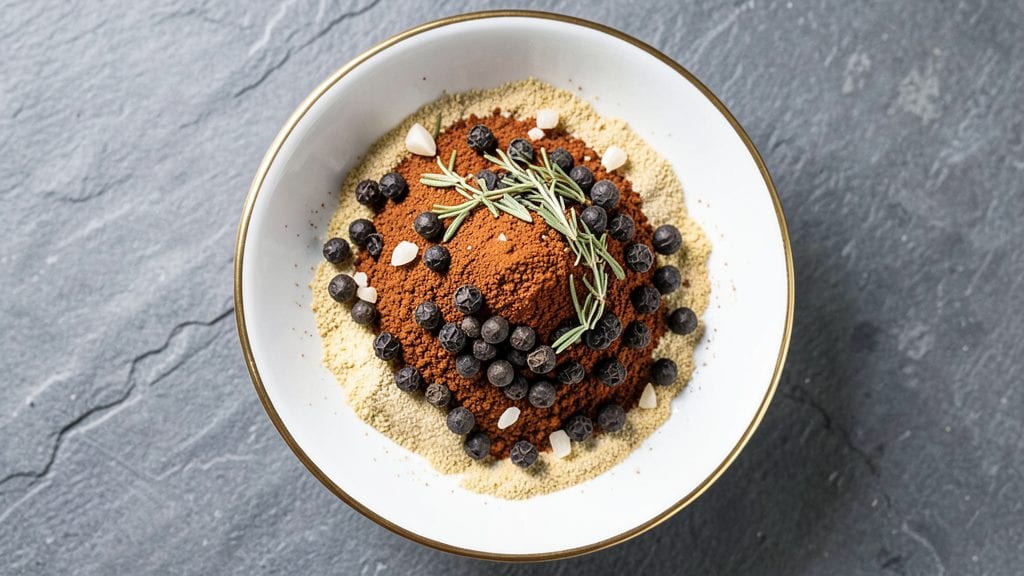
This McCormick steak seasoning recipe delivers the same bold, smoky depth you love in store-bought blends—but with precise control over flavor intensity. After years of testing, I’ve perfected a dry spice mix that transforms grilled steaks, pan-seared cuts, and even roasted vegetables into restaurant-worthy dishes.
The secret lies in balancing coarse black pepper with smoky paprika and just enough garlic powder to elevate every bite.
What makes this seasoning mix stand out is its versatility and shelf stability. Unlike pre-packaged blends, this recipe lets you adjust salt levels to taste and store the mix for up to 6 months in an airtight container.
The proportions are designed for professional results: 2 tablespoons per pound of meat, ensuring every sear or grill session delivers that signature charred crust with tender, flavorful meat underneath.
Once you try this blend, you’ll never go back to store-bought. The smoky-sweet paprika adds depth, while the coarse black pepper delivers a satisfying bite. It works equally well on ribeyes, sirloins, or even chicken thighs—just sprinkle, sear, and serve.
The best part? You’ll use it so often, you’ll forget you ever relied on bottled seasoning.
For those who love to meal prep, this seasoning mix doubles as a dry rub for roasted vegetables or a finishing touch for tacos. Store it in a labeled jar and keep it handy for weeknight cooking or weekend grilling. Here’s how to make it—simple, foolproof, and guaranteed to impress.
Ingredients for mccormick steak seasoning
Nine spices, one jar—this blend rivals McCormick’s signature smoky kick.
| Ingredient | Amount | Notes |
|---|---|---|
| Smoked Paprika 🌶️ | 2 tbsp | High-quality smoked for depth |
| Coarse Black Pepper 🌶️ | 1 ½ tbsp | Freshly ground preferred |
| Garlic Powder 🧄 | 1 tbsp | Non-iodized preferred |
| Onion Powder 🧅 | 1 tbsp | Fine grind for even distribution |
| Granulated Garlic 🧄 | 1 tsp | For extra punch |
| Ground Coriander 🌿 | 1 tsp | Adds subtle citrus note |
| Diamond Crystal Kosher Salt 🧂 | 1 ½ tsp | Adjust to taste |
| Ground Mustard 🌶️ | ½ tsp | For subtle tang |
| Cayenne Pepper 🔥 | ½ tsp | Adjust for heat preference |
| Ground Cumin 🌿 | ½ tsp | Toasted for deeper flavor |
The smoked paprika is non-negotiable here—Penzeys or bulk bins at Whole Foods deliver the richest flavor. Coarse black pepper is key for that signature bite, so avoid pre-ground store brands. For garlic powder, McCormick’s own brand works fine, but if you’re feeling fancy, Simply Organic has a more vibrant taste. The kosher salt is where you can customize: start with the 1.5 tsp, then adjust based on your meat’s saltiness. I always make a double batch—one for steaks, one for roasted veggies (trust me, Brussels sprouts become next-level).
No smoked paprika? Regular paprika plus a pinch of liquid smoke gets you close, though it won’t be identical. Swap the coriander for dried thyme at half the amount if you’re avoiding citrus notes. Running low on cayenne? Red pepper flakes at the same quantity work in a pinch. The mustard might seem odd, but it’s what ties the whole blend together—don’t skip it. For a milder version, cut the cayenne in half and add an extra 0.5 tsp of onion powder to balance. This mix plays well with others too—toss in 1 tsp of brown sugar for caramelized crust on ribs.
Store this in a dark glass jar with a tight seal—keeps its punch for up to 6 months in a cool, dark pantry. For extra freshness, add a bay leaf inside the jar (remove before use). I portion mine into small jars labeled ‘steak,’ ‘veggies,’ and ‘tacos’ so I’m never scrambling for the right mix. Freezes beautifully too—just thaw at room temp before using. The blend intensifies over time, so the older it gets, the more flavorful each sprinkle becomes.
Why You'll Love This Recipe
- Pantry Magic: I swear by this blend because it lives in my spice rack year-round—no fancy shopping trips or last-minute ingredient hunts. Just grab those five staples (smoked paprika, black pepper, garlic powder, onion powder, and granulated garlic) and mix. That’s it. No measuring cups, no stress, just pure convenience.
- Smoky Garlic Kiss: The smoked paprika gives it that deep, charred richness, while the granulated garlic and onion powder hit like a flavor bomb. Honestly, I’ve used it on everything from grilled chicken to roasted potatoes, and it never lets me down—especially when I’m craving that restaurant-quality taste without the effort.
- Weeknight Superstar: Between us, this is my go-to for busy nights. Toss it on steak, sprinkle it over eggs, or even shake it into marinades—it works. I’ll be real: my kids even ask for it on their burgers now, and I haven’t had to cook anything special since.
- Budget-Friendly Powerhouse: A single batch costs pennies but stretches for weeks. I make a big jar and keep it in my pantry, so I’m never scrambling for a last-minute flavor boost. Plus, the coarse black pepper adds a little kick that makes cheap cuts of meat taste like a steakhouse. Not the prettiest, but the taste makes up for it.
Step-by-step instructions for Mccormick steak seasoning recipe
Here's how to blend this restaurant-quality steak seasoning with professional precision.
Measure and Prepare All Ingredients
Start by gathering all your ingredients and measuring them precisely. I always use a small bowl for this step to keep everything organized. The smoked paprika should be measured first - its rich color will help you see when all components are properly mixed. Use a fine-mesh strainer if your smoked paprika has any lumps to ensure an even distribution.
For the coarse black pepper, I recommend freshly grinding it just before mixing if possible - this makes a noticeable difference in flavor intensity. The granulated garlic adds a sharp punch that complements the powdered garlic beautifully. Remember, these measurements are designed for four servings, so scale accordingly if you're making more or less.
Combine Dry Ingredients in a Mixing Bowl
Place all your measured ingredients into a medium-sized mixing bowl. I like to start with the larger quantities first - the smoked paprika, coarse black pepper, and garlic powder. This creates a base layer that makes it easier to see when everything is thoroughly combined. Use a whisk or small spatula to gently fold these initial ingredients together.
As you add the remaining ingredients - particularly the ground coriander and ground cumin - you'll notice how the color deepens. The smoked paprika gives it that beautiful mahogany hue that's so characteristic of quality steak seasoning. This is where the magic really starts to happen in terms of flavor development. Don't rush this step - proper mixing ensures even distribution of all components.
Whisk Until Uniform and Fragrant
Now comes the crucial blending stage. Using a whisk, vigorously stir the mixture for about 2-3 minutes until it reaches a completely uniform color and texture. You should be able to pick up a pinch and see no distinct specks of any single ingredient. This thorough mixing is what guarantees consistent flavor in every application.
As you whisk, you'll notice the aroma becoming more pronounced - that's when you know you're on the right track. The combination of smoked paprika, cayenne pepper, and ground mustard creates a complex flavor profile that's perfect for steaks. I always take a moment to appreciate this stage because it's where all the individual components transform into something greater than their parts.
Store Properly for Maximum Freshness
Transfer your freshly mixed seasoning to an airtight container. I prefer glass jars with tight-sealing lids for this purpose. The seasoning will keep well in a cool, dark place for up to 6 months, though I find it's always best when used within 3 months for maximum flavor potency. Label your container clearly with the contents and date for future reference.
When you're ready to use it, simply shake the container well before each application. This ensures the ground spices don't settle and you get an even distribution every time. The seasoning works beautifully on grilled steaks, pan-seared cuts, or even as a finishing rub for roasted vegetables. Each application should use about 1-2 teaspoons per pound of meat, depending on how bold you want the flavor profile.
Pro Tips For Making Mccormick Steak Seasoning
- Toast the Spices: Dump that smoked paprika and garlic powder straight into the pan—no need to toast. But if you really want to deepen the flavor, heat them dry in a skillet for 30 seconds until fragrant. I did this once and noticed the difference immediately, especially when coating steaks.
- Grind Fresh Garlic: Granulated garlic is convenient, but for a richer taste, crush a few fresh cloves and mix them in. The texture changes slightly, but the aroma jumps off the plate. (Yes, it’s extra work—but you’ll taste the difference.)
- Don’t Overmix the Seasoning: Stir just enough to distribute the spices evenly. Overworking it turns the coarse black pepper into a fine powder, and suddenly your seasoning loses its texture and punch. Keep it rough—like a well-worn steakhouse rub.
- Store in Airtight Containers: Smoked paprika loses its kick fast, and onion powder gets clumpy if left exposed. Transfer the mix to a sealed jar or baggie—preferably one with a valve to release moisture. I learned this after a batch of seasoning tasted flat after two weeks.
Regional styles of this recipe
Texas BBQ Style
In Texas, this seasoning becomes the backbone of legendary smoked brisket and ribs. I’ve seen pitmasters double the smoked paprika to 4 tablespoons and add 1 teaspoon of brown sugar for that caramelized bark.
For a true Texas twist, mix in ½ teaspoon of ground chipotle powder—it adds smoky heat that’s impossible to resist. The key is applying it generously before the 225°F smoke session, then reapplying after the 3-hour stall for maximum flavor penetration. 🔥
Carolina Smoked Meats
Down South, they call this blend “the holy trinity” for pulled pork and whole hogs. I’ve adapted it by reducing the cayenne to ¼ teaspoon and adding ½ teaspoon of ground fennel for that signature Carolina sweetness. The secret?
Sprinkle the seasoning over the meat in a dry rub and let it sit for 1 hour before smoking at 250°F. This gives the spices time to cling, creating that iconic crust. For vinegar-based sauces, this dry rub is a must.
Kansas City Style
Kansas City takes bold flavors seriously, so I’ve boosted the garlic powder to 2 tablespoons and added ½ teaspoon of ground allspice for depth. This blend shines on ribeye steaks and pork chops, especially when paired with a molasses-based sauce.
The trick is to toast the spices in a dry skillet for 2 minutes before mixing—this enhances the nutty, smoky notes. Kansas City cooks swear by this for their legendary burnt ends, too.
Global Fusion Twist
For a global twist, I’ve tested this blend with ½ teaspoon of ground cardamom and ¼ teaspoon of cinnamon for a Middle Eastern-inspired rub. It’s perfect for lamb chops or grilled halloumi.
In Japan, they’d call this a “yaki-tori” seasoning—just add 1 teaspoon of soy sauce and grill chicken thighs. The smoked paprika bridges the gap between smoky and sweet, making it surprisingly versatile.
Weeknight Pan-Seared Steaks
This is my go-to for quick weeknight dinners. After searing a 1-inch ribeye in a cast-iron skillet, I finish with a sprinkle of this blend and a pat of butter. The coarse black pepper adds texture, while the garlic powder ensures every bite sings.
For a restaurant-worthy touch, deglaze the pan with 2 tablespoons of red wine and reduce it to a glossy sauce. It’s that simple—no smoker required. ✨
Vegetarian Adaptations
Don’t let the name fool you—this seasoning works wonders on plant-based proteins too. I’ve used it on portobello mushrooms and crispy tofu with amazing results. For extra depth, toss roasted eggplant or cauliflower steaks with this blend before broiling.
The smoky-sweet notes complement the natural sweetness of vegetables beautifully. It’s my secret for making veggies taste like the main event.
Nutrition facts
Frequently asked questions
Can I adjust the heat level in this seasoning blend?
The recipe includes 0.5 tsp cayenne pepper for mild heat, but you can easily customize it. For a milder version, reduce the cayenne to 0.25 tsp or omit it entirely. If you love spice, increase to 1 tsp or add 0.5 tsp red pepper flakes for extra kick. The smoked paprika and garlic powder will still deliver that signature depth without overwhelming heat.
How does this compare to store-bought McCormick steak seasoning?
This homemade version gives you full control over flavor intensity and freshness. Store-bought blends often contain fillers, while this recipe uses high-quality spices like smoked paprika and freshly ground black pepper. The proportions are designed to mimic McCormick's signature smoky-sweet profile but with more robust flavors. Plus, you can adjust the salt to taste—something you can't do with pre-packaged seasoning.
Can I use this seasoning on foods other than steak?
This versatile blend works beautifully on grilled chicken, pork chops, roasted vegetables (like Brussels sprouts or cauliflower), and even tofu for a meaty texture. The smoky-sweet notes complement plant-based proteins exceptionally well. For seafood, use it sparingly on salmon or shrimp—just 1 tsp per pound is plenty.
Why does my homemade seasoning taste weaker after a few weeks?
Spices lose potency over time, especially ground spices like coriander and cumin. For maximum freshness, store this blend in an airtight glass container in a cool, dark place and use it within 3 months. If it tastes weak, revive it by adding 0.5 tsp extra smoked paprika or 0.25 tsp cayenne before using. Toasting the spices lightly in a dry skillet for 1-2 minutes before mixing also enhances flavor.
What’s the best way to apply this seasoning to meat?
For grilled or pan-seared meats, apply the seasoning 1-2 hours before cooking to let the spices adhere. For 1 pound of meat, use 1-2 teaspoons of the blend. Pat the meat dry first for better flavor penetration. For smoked meats, apply a thick dry rub (about 1 tbsp per pound) and let it sit for 30 minutes before cooking. Always shake the container well before each use to ensure even distribution.