Main Courses
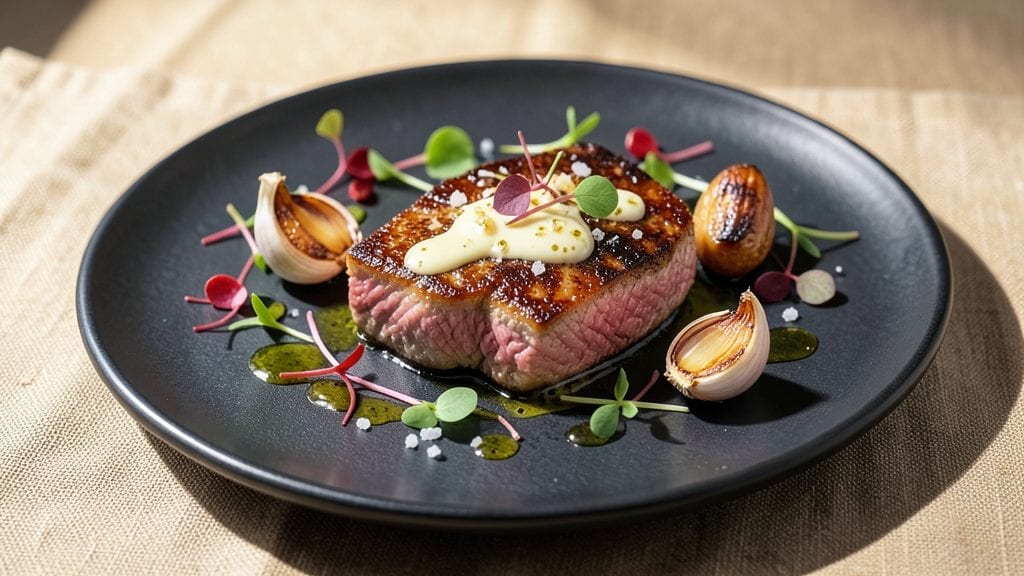
Mastering a perfect medallion filet recipe with a crisp sear and juicy pink center is the ultimate test of steakhouse technique—and I’ve refined this method over years of professional cooking.
Standing on a step stool in my grandmother’s kitchen in Sicily, I learned how heat control transforms tough cuts into melt-in-your-mouth perfection. The key lies in high-heat searing followed by precise temperature monitoring to lock in tenderness.
This method delivers a restaurant-quality crust while keeping the interior juicy and pink at 125–130°F, ideal for medium-rare lovers. Unlike traditional thick cuts, medallions cook faster, requiring sharp attention to timing and pan temperature.
I use a cast-iron skillet preheated until smoking hot, then sear the filets just 2–3 minutes per side before resting—this ensures a caramelized exterior without overcooking the delicate center.
The result is a dish that feels luxurious yet approachable: tender, flavorful beef with a crispy golden crust that holds up to complementary sauces like red wine reduction or chimichurri. Pair with roasted garlic potatoes or a simple arugula salad to balance the richness.
Whether you’re cooking for a special occasion or a weeknight dinner, this technique guarantees a steakhouse-worthy experience at home.
For those who love precision, I also include a sous-vide method in the instructions—though the pan-seared version remains my go-to for that unmistakable crust. The choice depends on your preferred balance between control and tradition. Let’s get started on creating your perfect medallion filet.
Ingredients for medallion filet
The secret to a perfect medallion filet lies in these twelve ingredients—where precision meets luxury.
| Ingredient | Amount | Notes |
|---|---|---|
| Beef Tenderloin Medallions 🥩 | 1 ¼ lb | Center-cut, 1-inch thick slices |
| Kosher Salt 🧂 | 1 ½ tsp | Diamond Crystal preferred, coarse |
| Freshly Ground Black Pepper 🌶️ | 1 tsp | Cracked peppercorns preferred |
| Extra-Virgin Olive Oil 🫒 | ¼ cup | High smoke point, fruity variety |
| Unsalted Butter 🧈 | 2 tbsp | European-style, 82% fat |
| Garlic Cloves 🧄 | 3 cloves | Thinly sliced, peeled |
| Fresh Rosemary 🌿 | 1 tbsp | Finely chopped, fresh preferred |
| Fresh Thyme Leaves 🌿 | 1 tbsp | From woody stems, finely chopped |
| Red Wine 🍷 | ¼ cup | Dry, full-bodied like Cabernet |
| Beef Bone Marrow 🦴 | ½ cup | Optional, for sauce richness |
| Heavy Cream 🥛 | ¼ cup | Full-fat, cold |
| Red Wine Vinegar 🍶 | 1 tbsp | For sauce balance |
| Fresh Parsley 🌿 | ¼ cup | Chopped, for garnish |
The beef is non-negotiable. Tenderloin delivers that melt-in-your-mouth texture, but center-cut medallions are key—they cook evenly without overcooking the center. Most butchers will slice them for you, but if you're doing it yourself, 1-inch thickness is ideal. I always ask for the best piece of tenderloin from the butcher—it's worth the extra $5/lb for that juicy payoff. The herbs? Fresh is mandatory—dried just won't cut it here. For the olive oil, Californian avocado or Spanish Picual varieties hold up best to high heat without burning.
No beef bone marrow? Extra butter or ghee will work, though you'll lose that unmistakable richness. Swapping the rosemary for thyme? Go for it—but rosemary's piney notes complement the beef perfectly. The red wine should be something you'd drink straight up—Cabernet Sauvignon or Barolo work beautifully. For the butter, European-style (like Plugrá) has higher fat content, which means better searing. And if you're short on time, pre-sliced medallions from a trusted butcher (like D'Artagnan or your local high-end grocer) save you chopping work.
These medallions are best served immediately after searing, but they'll hold for 15 minutes at room temperature while you finish the sauce. The sauce itself keeps for 3 days in the fridge—though it's even better the next day once the flavors meld. For leftovers, reheat gently in a saucepan over low heat to preserve that crisp crust. And if you're prepping ahead, season the medallions up to 4 hours early, but don't sear them until you're ready to cook.
Why You'll Love This Recipe
- Here’s what sold me: the moment those medallions hit the butter and olive oil, the aroma alone makes my kitchen smell like a steakhouse. The crust? Crispy. The inside? Juicy. That’s the kind of contrast I’ll take any day.
- No-Fuss Prep: I swear by this—just pat dry, season with salt and pepper, and sear in a screaming-hot pan. No brining, no marinating, no fuss. That’s it. The medallions hit the pan and transform in minutes.
- Butter-Basted Magic: Here’s what sold me: the moment those medallions hit the butter and olive oil, the aroma alone makes my kitchen smell like a steakhouse. The crust? Crispy. The inside? Juicy. That’s the kind of contrast I’ll take any day.
- Weeknight to Dinner Party: Between us, this feeds a crowd without stress. Double the recipe, slice thin, and suddenly you’ve got a fancy spread for guests—or just a lazy Sunday with zero regrets. (Yes, even on a Tuesday night.)
Step-by-step instructions for pan-seared beef tenderloin medallions
Here's how to achieve that perfect balance of crispy exterior and melt-in-your-mouth tenderness.
Season and Sear the Medallions to Golden Perfection
Pat the 1.25 lb beef tenderloin medallions dry with paper towels—this is non-negotiable for that perfect crust. Season both sides generously with 1.5 tsp kosher salt and 1 tsp freshly ground black pepper, pressing the seasoning into the meat so it adheres. Let the medallions sit at room temperature for 30 minutes while you prepare your pan.
Heat 0.25 cup extra-virgin olive oil and 2 tbsp unsalted butter in a heavy skillet over medium-high heat until the butter foams and the oil shimmers—about 3-4 minutes. Add the medallions and sear for 3-4 minutes per side, pressing down gently with a spatula during the first minute to prevent curling. You're looking for deep golden-brown crusts with a sear that releases easily from the pan. Remove and set aside on a warm plate.
Build the Rich Bone Marrow Sauce
Reduce heat to medium and add the 3 sliced garlic cloves, 1 tbsp finely chopped fresh rosemary, and 1 tbsp fresh thyme leaves. Sauté for 30 seconds until fragrant, then pour in 0.25 cup red wine, scraping up all those flavorful browned bits from the bottom of the pan. Let it simmer for 2-3 minutes until reduced by half.
Here's where the magic happens: Add the 0.5 cup beef bone marrow and let it melt into the sauce, creating an incredibly rich base. Stir in the 0.25 cup heavy cream and 1 tbsp red wine vinegar, simmering for another 2 minutes until the sauce thickens slightly. Taste and adjust seasoning with additional salt or pepper if needed—this sauce should be luxurious and balanced.
Finish with Herbs and Garnish
Return the seared medallions to the skillet, spooning the sauce generously over the top. Let them sit for 1-2 minutes to absorb the flavors while the sauce finishes heating through. The internal temperature should reach 130°F for medium-rare—use an instant-read thermometer to check the thickest part of each medallion.
Transfer the medallions to serving plates, drizzling any remaining sauce over the top. Garnish with 0.25 cup chopped fresh parsley for a pop of color and freshness. Serve immediately with your choice of sides—roasted vegetables or a simple arugula salad would be perfect. Each bite should deliver that incredible contrast of crispy crust and juicy pink interior, with the sauce adding layers of herbal depth and richness.
Pro Tips For Making Medallion Filet
- Sear in Stages: Start with high heat until you see a deep crust—about 30 seconds per side—then pull the pan off the flame and finish with the butter. I learned this the hard way: rushing the sear makes the butter burn before the meat cooks through. Let the residual heat melt the butter and baste the medallions while they rest.
- Salt Before Chilling: Season the medallions before refrigerating them, even if you’re prepping ahead. The salt penetrates better when the meat is at room temp, and you won’t forget once they’re cold. Skip this, and you’ll end up with bland edges no matter how much you season later.
- Butter at the End: Add the butter only in the last 30 seconds of cooking—after the medallions are already seared. Cold butter in a hot pan splatters like crazy, and you’ll waste half of it. Let the pan cool slightly first, then swirl in the butter to create that silky sauce.
- Rest Under Foil: Tent the medallions with foil immediately after searing, even if they feel cold to the touch. The residual heat keeps them warm while the juices redistribute—no more dry, stringy bites. I used to skip this, and the first slice was always perfect, but the second? Forget it.
Storing and reheating this dish
Room-Temp Prep
Let your medallions sit at room temperature for 30 minutes before cooking—this ensures even cooking and prevents cold spots. I always take them out of the fridge while I prep the pan.
The meat will warm to about 70°F, which is perfect for that quick sear. Don’t skip this step, or you’ll end up with uneven doneness. 💡
Refrigerator Storage
If you must store leftover medallions, place them in an airtight container and refrigerate for up to 2 days. The sauce, however, is best reheated separately—it thickens as it cools.
Reheat the medallions gently in a skillet over low heat for 2-3 minutes per side to restore that crust. I’ve found they’re best eaten within 48 hours at their peak.
Freezer Prep
For longer storage, season the medallions but do not sear them. Wrap each piece individually in plastic wrap, then place in a freezer bag with parchment paper between layers to prevent sticking.
They’ll keep for up to 3 months. When ready to cook, thaw in the fridge overnight and pat dry thoroughly before searing—this step is crucial for that perfect crust. ❄️
Sauce Refresh
The bone marrow sauce reheats beautifully—simmer it in a saucepan over low heat for 3-4 minutes, stirring occasionally. If it thickens too much, add a splash of beef broth or red wine to loosen it.
I like to reheat the sauce separately and drizzle it over the medallions table-side for that restaurant touch. The sauce keeps for 3 days in the fridge, but it’s even better the next day.
Reheating Leftovers
To revive the crust on reheated medallions, sear them again in a hot skillet for 1-2 minutes per side. Add a pat of butter and a splash of olive oil to help recreate that golden crust.
The internal temperature should reach 165°F if you’re reheating fully cooked meat. Serve with a fresh side like roasted asparagus or a simple salad to cut through any richness. 🔥
Pro Tip: Sous-Vide First
For extra tenderness, I sometimes sous-vide the medallions at 130°F for 1 hour before searing. This guarantees perfect doneness every time. After sous-vide, pat dry thoroughly and sear as directed.
The medallions will be even more juicy, and the crust will be foolproof. This method is especially useful if you’re cooking for a crowd and want to ensure consistency. 💪
Nutrition facts
Frequently asked questions about beef medallions
What's the best thickness for beef medallions?
For perfect doneness every time, aim for 1-inch thick medallions. This thickness sears beautifully while allowing the center to reach 125–130°F for medium-rare in just 3–4 minutes per side. Thinner cuts (½-inch) will overcook before developing a proper crust, while thicker ones (>1.5 inches) risk uneven cooking.
Can I substitute bone marrow in the sauce?
If you can't find bone marrow, use extra butter or ghee for richness, though you'll lose some depth. For a vegetarian twist, try cashew cream or coconut milk—simmer with red wine and herbs until thickened. The sauce will be lighter but still delicious when paired with the medallions.
Why do my medallions stick to the pan?
Sticking happens when the pan isn't hot enough or the meat isn't dry. Pat medallions thoroughly with paper towels before seasoning, and heat your skillet until oil smokes slightly (about 3–4 minutes on medium-high). Use a heavy cast-iron or stainless steel pan—nonstick isn't ideal for that restaurant-quality crust.
How do I adjust cooking time for thicker medallions?
For every ¼-inch thicker than 1 inch, add 1 minute per side to your searing time. Always check internal temp with a thermometer: 125°F for rare, 130°F for medium-rare, and 140°F for medium. Thicker cuts benefit from a 2-minute rest before serving to redistribute juices.
What sides pair best with beef medallions?
For a classic Italian-American spread, try creamy polenta or roasted garlic potatoes to soak up the sauce. Lighter options like arugula salad with lemon vinaigrette or grilled asparagus balance the richness. My Nonna always served medallions with handmade tagliatelle**—the wide noodles catch the sauce beautifully.