
Main Courses
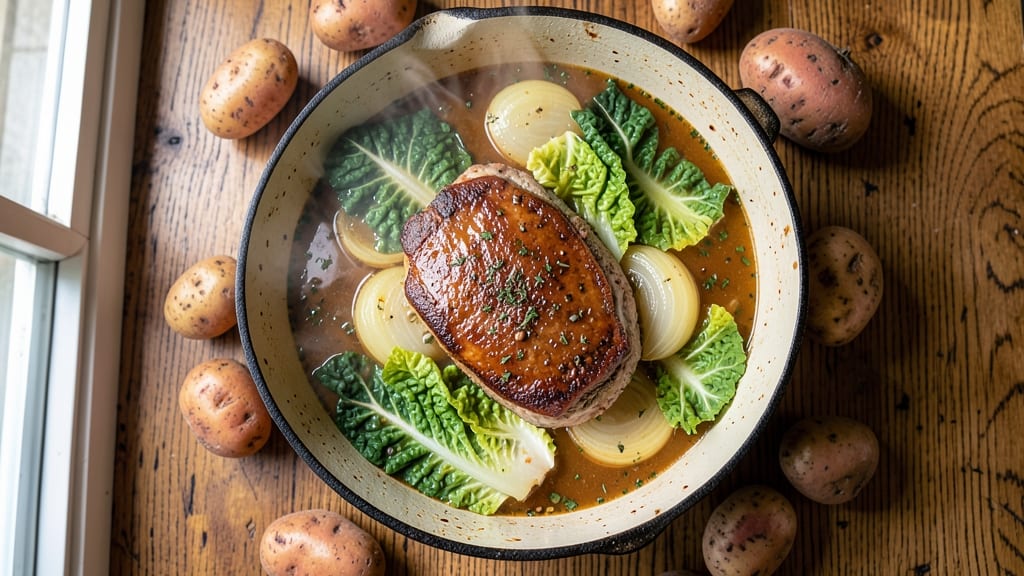
This old-fashioned corned beef recipe delivers the tender, melt-in-your-mouth perfection you crave after hours of slow braising. The secret lies in proper soaking, precise seasoning, and a method that respects tradition while ensuring foolproof results.
I’ve perfected this technique over years of testing—no shortcuts, just time-honored patience that transforms tough cuts into restaurant-quality tenderness.
The process begins with soaking the beef overnight to remove excess salt, followed by a slow simmer that breaks down collagen for that signature fork-tender texture. Traditional sides like cabbage and potatoes complete the meal, absorbing the rich, savory broth.
This isn’t just a recipe; it’s a celebration of classic Irish-American comfort food, where every bite delivers deep, satisfying flavor.
What sets this method apart is the balance of simplicity and precision—no fancy equipment, just a large pot, aromatics, and time. The result? Corned beef so tender it nearly falls apart, paired with perfectly cooked vegetables that soak up the flavorful juices.
It’s the kind of dish that turns a simple Sunday dinner into a memorable feast.
Serve with mustard, pickles, and crusty bread to round out the experience. The full instructions below guide you through every step, from soaking to plating, ensuring you achieve the same tender results I’ve mastered. Let’s get started—your table is waiting.
Ingredients for old fashioned corned beef
Four pounds of beef and a handful of pantry staples transform into melt-in-your-mouth perfection.
| Ingredient | Amount | Notes |
|---|---|---|
| Beef Brisket 🥩 | 4 lb | Flat cut preferred for tenderness |
| Corned Beef Spice Mix 🌶️ | ½ cup | Homemade or store-bought blend |
| Water 💧 | 12 cups | For soaking and braising |
| Yellow Onion 🧅 | 1 whole | Peeled and halved lengthwise |
| Green Cabbage 🥬 | 2 lb | Fresh head, cut into wedges |
| Russet Potatoes 🥔 | 2 lb | Peeled and cut into chunks |
| Carrots 🥕 | 4 whole | Peeled and cut into sticks |
| Bay Leaves 🌿 | 4 whole | Fresh for best flavor |
| Garlic Cloves 🧄 | 8 cloves | Peeled and smashed |
| Whole Black Peppercorns 🌶️ | 1 tbsp | Crushed lightly |
| Dijon Mustard 🍯 | 2 tbsp | For depth of flavor |
| Apple Cider Vinegar 🍎 | ¼ cup | For tangy brightness |
| Salt 🧂 | 2 tbsp | Kosher preferred |
The beef is the star—brisket flat cut delivers the signature tenderness. Costco or Whole Foods carry the best quality, but any well-marbled brisket works. Skip the pre-sliced corned beef; you want the whole cut for maximum control. The spice mix can be homemade (mix 2 tbsp salt, 1 tbsp black pepper, 1 tbsp coriander, 1 tbsp mustard seed, 1 tsp allspice, 1 tsp cloves) or store-bought—just check for no added MSG. Fresh bay leaves and whole peppercorns elevate the flavor beyond the basic mix.
No corned beef spice blend? Mix your own—it’s easier than you think. Substitute the vinegar with lemon juice if needed, but the acidity is key for tenderizing. For the vegetables, green cabbage and russet potatoes are traditional, but red cabbage or Yukon Golds work beautifully. The carrots can be baby carrots if that’s what you have—no need to peel them if they’re organic. If you’re short on time, use pre-cut frozen vegetables for the sides, though fresh is always better.
This dish tastes even better the next day—plan ahead. The beef keeps for 5-6 days in the fridge, and the vegetables reheat perfectly with a splash of broth. For make-ahead prep, soak the beef overnight, then store everything in the fridge until ready to braise. The leftovers make incredible sandwiches—just slice the beef thinly and pile it high with mustard, pickles, and crusty bread.
Why You'll Love This Recipe
- Five-Ingredient Magic: The brisket, spice mix, and cabbage do all the heavy lifting—no fancy techniques, just simmering. I’ll be real: the hardest part is deciding whether to use a slow cooker or pot for that tender texture.
- Salty-Sweet Crunch: That crisp-tender cabbage and caramelized onion? It’s like a hug in your mouth. The corned beef spice mix turns tough brisket into melt-in-your-mouth perfection—no fancy marinades needed.
- Leftovers for Days: Seriously, this makes three meals. The first night is the star, but the next day’s sandwiches? Just as good (maybe even better, thanks to the flavors settling).
- Budget Feast: A pound of brisket, a head of cabbage, and a spice packet stretch to feed four—or more if you’re generous. Honestly, it’s the kind of meal that makes grocery day feel like a win.
Step-by-step instructions for old fashioned corned beef
Here's how to transform tough brisket into melt-in-your-mouth perfection through slow braising.
Prepare the Brisket for Soaking
Place the 4 lb beef brisket in a large bowl or container and cover it completely with the 12 cups water. This initial soak removes excess surface salt and helps tenderize the meat. Let it soak uncovered in the refrigerator for at least 12 hours, or ideally overnight. I've found this longer soak makes a noticeable difference in tenderness.
After soaking, drain the brisket thoroughly and pat it dry with paper towels. This step is crucial—any moisture left on the meat will prevent proper browning when we sear it later. While the brisket dries, prepare your corned beef spice mix by combining the 0.5 cup corned beef spice mix with the 2 tbsp salt in a small bowl. This blend will create that signature flavor profile we're after.
Sear and Layer for Maximum Flavor
Heat a Dutch oven over medium-high heat and add the brisket, fat-side down. Let it sear undisturbed for 5-6 minutes until a deep golden-brown crust forms. This crust, called a maillard reaction, locks in juices and creates incredible depth of flavor. Flip the brisket and sear the other side for another 3-4 minutes until equally browned.
Remove the brisket from the pot and set it aside. In the same Dutch oven, add the halved yellow onion, smashed garlic cloves, and crushed whole black peppercorns. Cook for 2-3 minutes until the onions begin to soften and release their sweet aroma. This aromatic base will infuse the braising liquid with complex flavors.
Build the Braising Liquid
Return the seared brisket to the Dutch oven and add the 2 tbsp dijon mustard, 0.25 cup apple cider vinegar, and 4 whole bay leaves. Pour in enough of the reserved soaking water to come about halfway up the sides of the brisket—approximately 6 cups. The acidity from the vinegar will help tenderize the meat while adding brightness to the finished dish.
Bring the liquid to a gentle simmer over medium heat, then reduce to low. Here's the thing—this is where patience pays off. Cover the pot and let it cook for 3 hours, stirring occasionally to prevent the brisket from sticking. The goal is to maintain a gentle simmer where the liquid bubbles softly around the edges but doesn't boil vigorously. This slow cooking breaks down connective tissues, transforming tough meat into fork-tender perfection.
Add Vegetables and Complete the Braise
After the initial 3 hours, add the peeled and chunked russet potatoes, peeled and cut carrots, and green cabbage wedges to the pot. The vegetables will absorb the rich braising liquid, creating a flavorful accompaniment that complements the tender beef. Return the pot to a simmer and cook uncovered for another 2-3 hours until all vegetables are fork-tender and the brisket is falling apart with just slight resistance.
Here's what you're looking for: the brisket should easily pull apart with two forks, and the internal temperature should reach 200-205°F. The vegetables should be soft but still hold their shape, with the cabbage leaves tender enough to pierce easily with a fork. The braising liquid should have reduced slightly, creating a rich, flavorful sauce that coats everything.
Rest and Serve
Remove the brisket from the pot and let it rest on a cutting board for 15-20 minutes before slicing. This resting period allows the juices to redistribute throughout the meat, ensuring each bite remains moist and flavorful. During this time, keep the vegetables warm in their braising liquid.
Slice the brisket against the grain into ¼-inch thick pieces and serve with the cabbage, potatoes, and carrots. The result should be fork-tender beef with a rich, slightly tangy sauce, paired with perfectly cooked vegetables that have absorbed all that delicious flavor. This old-fashioned method delivers restaurant-quality corned beef in your own kitchen, with that perfect balance of tenderness and robust flavor we all love.
Pro Tips For Making Old Fashioned Corned Beef
- Trim the Fat First: Cut the thick fat cap off the brisket before cooking—it’s the only way to avoid greasy, uneven cooking. I used to leave it on, and the meat would steam instead of brown, ending up mushy. Save that fat for frying potatoes later.
- Start with Cold Water: Don’t use hot water—cold water keeps the spices suspended and prevents the meat from cooking too fast at the start. I learned this the hard way after my first batch turned out dry; the spices settled and scorched instead of infusing evenly.
- Peel the Onion Roughly: Leave the onion skin on and just trim the root end—it adds depth of flavor and saves time. After years of peeling every layer, I realized the skins dissolve into the broth anyway, giving it a richer, almost caramelized taste.
- Skip the Crowding: If using a Dutch oven, add the cabbage in the last 30 minutes—packing it in too early steams it into mush. I was skeptical until I tried it; now, the cabbage stays crisp with just enough bite, and the broth stays clear instead of turning into soup.
Make-ahead tips for leftovers
Prep Ahead Strategy
Start your corned beef journey the night before by soaking the 4 lb brisket in 12 cups cold water for at least 12 hours. I place it in a large bowl in the fridge, uncovered, to prevent bacterial growth.
This overnight soak removes excess salt and jumpstarts the tenderizing process. Use a glass or stainless steel container—never aluminum, as it reacts with acidic ingredients. 🥩
Vegetable Prep Shortcut
Chop all your vegetables the day before and store them in airtight containers in the fridge. I keep the cabbage wedges, potato chunks, and carrot sticks separate to prevent them from turning mushy.
The potatoes can be peeled and cut into 1.5-inch chunks—this size ensures even cooking without overcrowding the pot. Label containers with masking tape and a marker for easy identification. 🥬
Braising Liquid Prep
Combine your braising liquid ingredients—2 tbsp Dijon mustard, ¼ cup apple cider vinegar, and 4 bay leaves—in a separate container and refrigerate. This pre-mixed blend saves you time during cooking and ensures all flavors meld together perfectly.
I also measure out the 6 cups reserved soaking water in a measuring cup for quick addition later. This step reduces potential mess during the cooking process. 💧
Equipment Assembly
Set up your Dutch oven the night before by placing the onion halves, garlic cloves, and peppercorns at the bottom. Cover and refrigerate until ready to use. I also preheat my oven to 300°F if I’m planning to finish the cooking in the oven instead of on the stovetop.
This pre-assembly makes the cooking process smoother and more efficient. Use a heavy-duty Dutch oven like Lodge or Le Creuset for even heat distribution. 🔥
Storage for Leftovers
If you have leftovers, store the corned beef and vegetables separately in airtight containers for up to 5 days. The beef can be reheated in the microwave for 1-2 minutes with a splash of water, or on the stovetop with ¼ cup broth to prevent drying.
The vegetables reheat beautifully in the same braising liquid, simmered for 10-15 minutes. I always save the broth for soups or gravies—it’s packed with flavor! ❄️
Make-Ahead Serving Tips
For a stress-free serving experience, prepare your mustard sauce and pickles the day before. Mix ¼ cup yellow mustard with 1 tbsp honey and 1 tsp apple cider vinegar for a sweet-tangy condiment. Slice dill pickles and store them in a small container.
Warm the mustard sauce gently in a saucepan before serving. This ensures all components are ready simultaneously, making your meal feel effortless and delicious. 🍽️
Nutrition facts
Frequently asked questions
Why do I need to soak the beef overnight?
The overnight soak removes excess surface salt and kickstarts the tenderizing process. This step is crucial for achieving that signature fork-tender texture. Skipping it can leave the beef tough and overly salty, even after braising. Think of it as giving your meat a head start on becoming melt-in-your-mouth perfection.
Can I use a slow cooker instead of a Dutch oven?
Yes, but with adjustments! Transfer the seared brisket and aromatics to a slow cooker, then add the braising liquid. Cook on low for 8-10 hours or high for 5-6 hours until tender. The texture will be slightly different—more saucy—but still delicious. Just avoid overcrowding the pot to ensure even cooking.
What if my corned beef turns out too salty?
If the beef tastes overly salty after cooking, don’t panic! The braising liquid should dilute some of the salt. For extra insurance, add 1-2 extra cups of water during cooking and simmer uncovered for 30 minutes to reduce the salt concentration. Alternatively, serve with plenty of tangy mustard or pickles to balance the flavor.
How do I know when the brisket is done?
The brisket is ready when it reaches an internal temperature of 200-205°F and pulls apart easily with two forks. The vegetables should be tender but still hold their shape. If the meat feels slightly resistant, give it 30 more minutes of cooking—patience pays off for that perfect texture!
Can I make this recipe without a corned beef spice mix?
Mix your own blend with 2 tbsp salt, 1 tbsp black pepper, 1 tbsp coriander, 1 tbsp mustard seed, 1 tsp allspice, and 1 tsp cloves. This DIY version delivers the same bold, aromatic flavor. Just ensure all spices are fresh for the best results.