
Soups & Stews
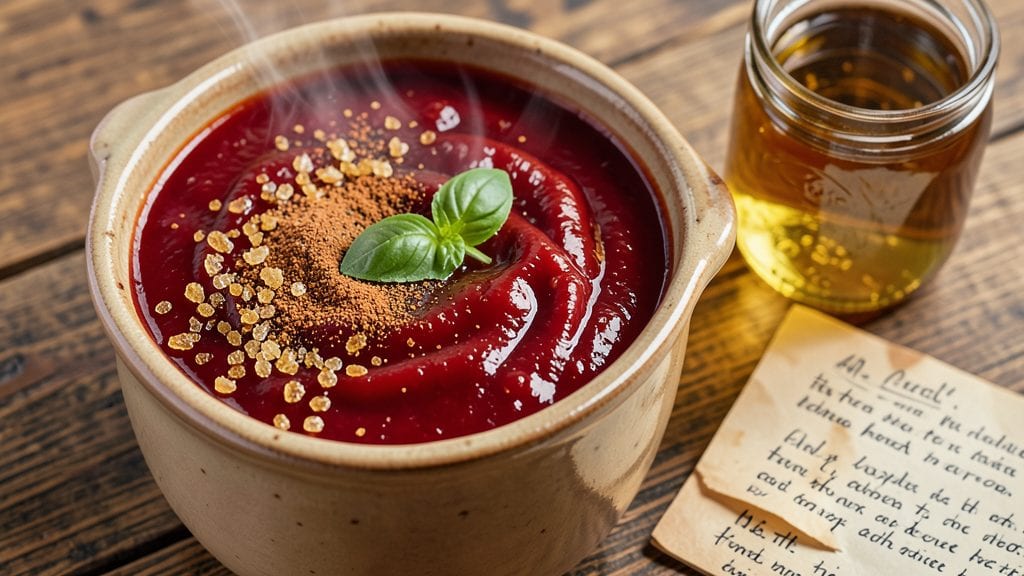
This old-fashioned tomato ketchup recipe delivers the rich, smoky depth of homemade condiments you won't find in stores. The secret lies in slow-simmered tomatoes, balanced vinegar acidity, and a touch of smokiness that transforms simple ingredients into something extraordinary.
I developed this version after years of experimenting with traditional recipes, refining the technique to achieve that perfect balance of sweetness, tang, and complexity.
The process begins with fresh tomatoes and vinegar, simmered until their flavors meld into a thick, velvety sauce. Unlike store-bought versions, this recipe builds layers of flavor through careful reduction and spice blending, resulting in a condiment that's both versatile and deeply satisfying.
The result is a sauce that's perfect for burgers, hot dogs, or even drizzled over fries—each bite carries that authentic homemade quality.
What sets this ketchup apart is its smoky vinegar infusion, which adds depth without overpowering the tomato base. The slow cooking process allows the flavors to develop fully, creating a condiment that's richer and more complex than anything you'd find in a bottle.
It's the kind of sauce that makes every meal feel special, whether you're serving it at a backyard barbecue or enjoying a simple weeknight dinner.
Ready in about 2 hours with minimal effort, this recipe yields enough to fill your pantry with jars of homemade goodness. Once you try it, you'll never go back to store-bought again. Let's get started on creating your own batch of this timeless condiment.
Ingredients for old fashioned tomato ketchup
Fresh tomatoes, vinegar, and spices transform into rich, smoky ketchup—better than store-bought.
| Ingredient | Amount | Notes |
|---|---|---|
| Fresh Tomatoes 🍅 | 4 lbs | Ripe, vine-ripened preferred |
| Apple Cider Vinegar 🍏 | 1 cup | Unfiltered for depth |
| White Vinegar 💧 | ½ cup | For acidity balance |
| Granulated Sugar 🍚 | 1 ½ cups | Light brown sugar for depth |
| Smoked Paprika 🌶️ | 2 tbsp | Key for smoky flavor |
| Ground Allspice 🌿 | 1 tsp | Traditional warming spice |
| Ground Cloves 🌱 | ½ tsp | Use whole cloves if grinding |
| Salt 🧂 | 1 tsp | Kosher or sea salt |
| Onion Powder 🧅 | 1 tsp | For subtle sweetness |
| Black Pepper 🌶️ | ½ tsp | Freshly ground preferred |
The tomatoes make or break this. Heirloom or vine-ripened from the farmers market have the best flavor, but regular grocery store tomatoes work too—just pick ones that smell sweet and are slightly soft. I usually grab 4 lbs because they lose weight during cooking. The vinegar is non-negotiable—apple cider vinegar adds complexity, but white vinegar keeps the color bright. For the best quality spices, Penzeys or bulk bins are worth it, but the regular grocery store stuff works fine if it's fresh. Smoked paprika is the secret weapon here—Kalamata or Spanish varieties give the best smoky flavor.
No smoked paprika? Liquid smoke at half the amount works in a pinch, but it's not the same. Short on vinegar? Lemon juice at the same quantity adds brightness, though it won't be as tangy. The sugar can be swapped for honey or maple syrup, but it'll taste slightly different. Want more depth? Add 1 tbsp tomato paste—it thickens the sauce and adds richness. The allspice and cloves are traditional, but if you don't have them, cinnamon at double the amount gives a similar warmth. Always taste as you go—the flavors build slowly.
This sauce keeps for 6-12 months in sterilized jars in the pantry. I double the batch every time—one for immediate use, one for gifting. The first few batches might be thin; reduce longer next time. For a quicker version, use canned tomatoes, but fresh gives that unmatched depth. Label your jars with the date—trust me, you'll want to keep making this.
Why You'll Love This Recipe
- No Chopping Hassle: I’ve made this so many times now that I just toss in whole tomatoes—peeled, halved, and straight into the pot. The vinegars and sugar do the rest, breaking them down into that perfect, chunky texture without me having to dice a single one.
- Smoky-Sweet Magic: That pinch of smoked paprika? Chef’s kiss. It gives this homemade ketchup a depth store-bought versions can’t touch—like a campfire tang that pairs crazy well with burgers, fries, or even scrambled eggs. Honestly, I’ve caught myself dipping toast just to taste it.
- Pantry Staple Power: Between us, this recipe uses stuff you already have: vinegar, sugar, and tomatoes you might’ve bought anyway. No fancy ingredients, no last-minute grocery runs. I’ve made it with summer garden tomatoes, canned tomatoes in a pinch, and even frozen ones—it’s that forgiving.
- Lasts for Weeks: I swear, a single batch keeps in the fridge for months if you seal it right. That means fewer trips to the store, fewer ketchup bottles cluttering your cabinet, and always having something better than the jarred stuff on hand. (Yes, even on a Tuesday night.)
Step-by-step instructions for old fashioned tomato ketchup
Here's how to craft this rich, smoky ketchup from scratch—every spoonful packed with vinegar-infused depth.
Prepare and Cook the Tomato Base
Start by washing the 4 lbs fresh tomatoes thoroughly and removing the stems. Cut them into quarters and place them in a large pot. The goal is to create a smooth, concentrated tomato purée, so don't worry about peeling or seeding them. Add 1 cup apple cider vinegar and 0.5 cup white vinegar to the pot—the vinegar helps balance the sweetness and preserves the ketchup.
Cook the tomatoes over medium-high heat for 20-25 minutes, stirring occasionally, until they begin to soften and break down. You'll notice the mixture thicken slightly and the tomatoes release their juices. Once the tomatoes are fully softened and the mixture is starting to resemble a thick sauce, reduce the heat to medium-low and continue cooking for another 10-15 minutes. This slow cooking step is crucial—it allows the flavors to meld and the mixture to reduce naturally, creating a deeper, more concentrated base.
Blend Until Silky Smooth
Transfer the cooked tomato mixture to a blender or food processor. Blend until completely smooth—this should take about 1-2 minutes. You want a velvety purée with no lumps or chunks. If your blender struggles with the volume, work in batches and re-blend the purée back together once smooth.
Return the purée to the pot and stir in the 1.5 cups granulated sugar, 2 tbsp smoked paprika, 1 tsp ground allspice, 0.5 tsp ground cloves, 1 tsp salt, 1 tsp onion powder, and 0.5 tsp black pepper. The smoked paprika and spices will infuse the ketchup with a rich, smoky warmth that sets it apart from store-bought versions. Stir well to ensure all the spices are evenly distributed throughout the mixture.
Simmer and Thicken the Ketchup
Bring the mixture back to a gentle simmer over medium-low heat. Let it cook uncovered for 45-60 minutes, stirring occasionally. The ketchup will gradually thicken as the moisture evaporates. You're aiming for a consistency that coats the back of a spoon—a texture that's thick but still pourable. If it thickens too quickly, add 1-2 tablespoons of water to loosen it.
To test for doneness, dip a wooden spoon into the ketchup and let it drip back into the pot. If it leaves a slow, steady trail rather than dripping freely, it's ready. The ketchup should also have a glossy sheen and a rich, aromatic smell. If it's not thick enough after an hour, continue simmering for another 10-15 minutes, stirring frequently to prevent burning.
Bottle and Store for Maximum Flavor
Once the ketchup reaches the desired consistency, remove it from the heat and let it cool to room temperature. While it's still warm, carefully ladle it into clean, sterilized jars or bottles. Leave about ½ inch of headspace at the top to allow for expansion during storage. Seal the jars tightly with lids.
Let the ketchup cool completely before refrigerating. It will continue to thicken slightly as it cools, so don't be alarmed if it seems a bit too thick right after bottling. For best results, store the ketchup in the refrigerator and use it within 2-3 weeks. The flavors will deepen and mature over time, making it even more delicious with each passing day. If you prefer a longer shelf life, you can also process the jars in a water bath for 10 minutes to can them safely.
Pro Tips For Making Old Fashioned Tomato Ketchup
- Blister the Tomatoes First: Throw whole tomatoes into a screaming-hot dry skillet for 2-3 minutes per side until skin blackens—this concentrates their sweetness and deepens the flavor. I used to skip this, and my ketchup always tasted watery and one-dimensional. (Yes, even if you're impatient like me.)
- Use Equal Parts Vinegars: Split the acid balance exactly between apple cider and white vinegar—apple cider adds complexity, while white vinegar cuts through sweetness faster. I learned this after making two batches where one turned cloyingly sweet or harshly tangy. (Your taste buds will notice the difference.)
- Simmer Low and Long: Reduce heat to a bare simmer after the initial cook—boiling too hard skims off flavor and makes the texture thin. My grandmother swore by "a whisper of a bubble," and she was right: this is the thing that matters most for body and depth.
- Strain Twice, Once Hot: Run the cooked mixture through a fine-mesh sieve immediately after simmering, then strain again cold for crystal-clear ketchup. The first straining removes pulp while hot, and the second catches any settled bits later. (Does it look weird? Yes. Does it work? Every single time.)
Wine and beer pairings for this old fashioned tomato ketchup
Red Wine Pairings
This smoky, vinegar-rich ketchup pairs beautifully with medium-bodied red wines that can stand up to its bold flavors. I recommend a Zinfandel from California—its jammy fruit and peppery notes complement the ketchup's smokiness while balancing the acidity.
A Chianti Classico from Tuscany also works wonderfully, as its bright acidity and cherry undertones cut through the richness. Serve both wines slightly chilled (55-60°F) to enhance their refreshing qualities against the ketchup's warmth. 🍷
White Wine Options
For a lighter pairing, try a dry Riesling from Germany or Washington State. The wine's crisp acidity and hints of citrus mirror the ketchup's tangy brightness, creating a perfect contrast. Another great choice is an off-dry Gewürztraminer—its lychee and spice notes harmonize with the smoked paprika in the ketchup.
Serve these whites at 45-50°F to preserve their delicate aromas. 🍷
Beer Pairings
A smoked porter or barleywine is an unexpected but fantastic match for this ketchup. The beer's caramel and toasty malt notes echo the sauce's smoky depth, while its dark roast character stands up to the vinegar's sharpness.
For something lighter, a hoppy IPA with citrusy hops balances the ketchup's sweetness and acidity beautifully. I love pairing it with a Sierra Nevada Pale Ale—the piney hop aroma cleanses the palate between bites. 🍺
Craft Cocktail Pairings
Turn your ketchup into a cocktail ingredient with a smoky old-fashioned. Muddle a pinch of the ketchup with 2 oz bourbon, ½ oz maple syrup, and a dash of Angostura bitters, then top with a splash of soda.
The ketchup's smokiness adds a unique twist to the classic drink. For a non-alcoholic option, mix 1 oz ketchup with ½ oz apple cider vinegar, ½ oz honey, and sparkling water over ice—a refreshing and tangy sipper. 🍹
Regional Beer Styles
In the Midwest, a amber ale like Leinenkugel's Summer Shandy pairs perfectly—the beer's malty sweetness and effervescence complement the ketchup's tang. On the East Coast, try a New England IPA with its juicy hop profile to cut through the ketchup's richness.
For a Southern BBQ spread, a Texas-style blonde ale (like Lone Star Beer) adds a crisp, clean finish that lets the ketchup shine. 🌶️
Non-Alcoholic Pairings
For a refreshing non-alcoholic match, serve your ketchup with sparkling apple cider—the bubbles and tartness highlight the ketchup's depth. A ginger beer with a hint of spice also works well, especially if you add a dash of fresh lime juice to the glass.
For a savory pairing, try smoked olive tapenade or pickled vegetables to create a balanced, flavorful spread. 🍏
Nutrition facts
Frequently asked questions
Why does this recipe use both apple cider and white vinegar?
The apple cider vinegar adds depth and complexity to the sauce, while the white vinegar helps preserve the bright red color and balances acidity. Together, they create that perfect tangy-sweet harmony you'd expect from classic homemade ketchup.
Can I make this ketchup without smoked paprika?
Yes, but the smoky flavor will be missing! Try ½ teaspoon liquid smoke as a substitute, or add ½ teaspoon chipotle powder for a similar depth. Just remember—homemade ketchup tastes best when you use the traditional spices.
How do I fix ketchup that's too thin?
Simmer uncovered for 10-15 extra minutes to reduce the liquid. If it still doesn't thicken, mix 1 teaspoon cornstarch with 1 tablespoon cold water, stir into the ketchup, and simmer for 5 more minutes. Never rush this step—proper thickness comes from slow reduction.
Can I use canned tomatoes instead of fresh?
Use 4 (28 oz) cans crushed tomatoes instead of fresh. Just skip the initial cooking time and go straight to blending. The texture will be slightly different but still delicious. For extra richness, add 1 tablespoon tomato paste with the spices.
How long will this homemade ketchup last?
Unopened jars last 6-12 months in a cool, dark pantry. Once opened, refrigerate and use within 3 weeks. For longer storage, process jars in a water bath for 10 minutes**. The flavor actually improves as it ages—just like fine wine!