Side Dishes
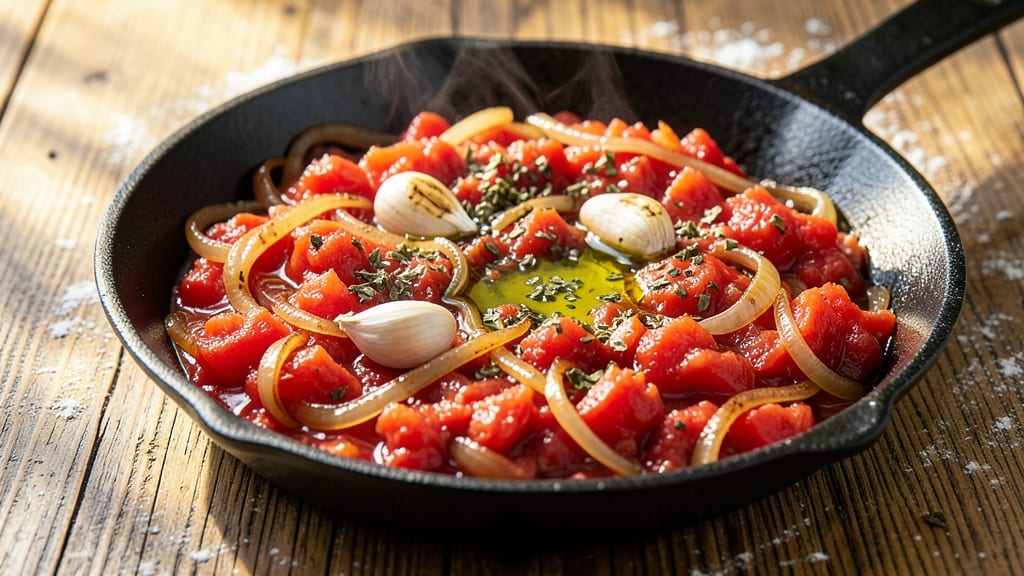
Transforming canned whole tomatoes into a vibrant, sun-dried-inspired sauce takes just 30 minutes and elevates simple dishes into restaurant-quality meals. The secret lies in slow simmering with aromatic herbs and a touch of sweetness to deepen their natural depth—no fancy ingredients required.
I developed this technique after realizing store-bought sauces often lack the complexity of homemade versions, and it’s become my go-to for everything from pasta to braised meats.
This recipe builds flavor through controlled reduction, where tomatoes concentrate into a rich, jammy consistency while absorbing garlic, onion, and herbs. The result is a versatile sauce that works as a quick pasta topping or a hearty base for slow-cooked dishes.
Unlike jarred sauces, this version maintains bright acidity and a velvety texture that clings perfectly to noodles or proteins.
By the end, you’ll have a deeply aromatic sauce with sun-dried tomato intensity, ready to transform weeknight dinners. The process is simple but precise—simmering at low heat ensures the tomatoes break down evenly without losing their natural sweetness.
This method also works beautifully with other canned tomatoes, making it a pantry staple for any home cook.
Use it immediately over al dente pasta, or store it in the fridge for up to 5 days to let flavors meld further. For extra depth, finish with a sprinkle of fresh basil or a drizzle of olive oil. The possibilities are endless—let’s get cooking!
Ingredients for canned whole tomatoes
Pantry staples and fresh aromatics transform humble canned tomatoes into restaurant-quality sauce.
| Ingredient | Amount | Notes |
|---|---|---|
| Canned Whole Tomatoes 🍅 | 28 oz | San Marzano preferred for sweetness |
| Yellow Onion 🧅 | 1 whole | Medium size, finely diced |
| Garlic Cloves 🧄 | 4 cloves | Fresh, minced for aromatic depth |
| Extra-Virgin Olive Oil 🫒 | ¼ cup | High-quality, fruity variety |
| Dried Oregano 🌿 | 1 tbsp | Mexican oregano preferred |
| Dried Basil 🍃 | 1 tsp | Or 0.25 cup fresh basil |
| Red Wine Vinegar 🍷 | 1 tbsp | For bright acidity balance |
| Granulated Sugar 🍬 | 1 tbsp | Enhances tomato sweetness |
| Diamond Crystal Kosher Salt 🧂 | 1 tsp | Adjust to taste |
| Fresh Basil Leaves 🌿 | ¼ cup | For finishing garnish |
| Pasta (e.g., Spaghetti) 🍝 | 12 oz | Al dente cooking essential |
The quality of your tomatoes makes all the difference. San Marzano is the gold standard—sweeter, meatier, and with fewer seeds than generic brands. If you can't find them, any high-quality canned tomatoes will work, but avoid those with added salt or preservatives. For the onions and garlic, freshly chopped is non-negotiable; pre-minced garlic lacks the aromatic punch. I always buy bulk dried herbs from Spicewalla for maximum flavor retention, but store-bought works fine if it's recent. The red wine vinegar should be aged for depth—Bartles & Jaymes is a reliable budget option, while Biondi-Santi delivers premium quality.
No San Marzano? Crushed tomatoes work in a pinch, but you'll need to adjust the sugar to 1.5 tbsp for balance. Fresh basil unavailable? Dried basil at half the amount maintains the herbaceous notes, though texture will differ. The vinegar can be swapped for lemon juice, though red wine vinegar's complexity is ideal. For a deeper umami profile, add 1 tsp fish sauce or soy sauce—trust me, it elevates everything. The pasta can be any shape; bronze-cut works best for texture, but spaghetti is the classic choice. If you're using this sauce for braising, reduce it further to create a thick glaze.
This sauce peaks after 3-5 days in the fridge—flavors meld beautifully over time. Store in an airtight container with a thin layer of olive oil on top to preserve freshness. For longer storage, freeze in ice cube trays for portion control. Reheat gently on low heat, stirring occasionally to prevent scorching. The sauce doubles as a marinade—brush it on chicken or fish before grilling for instant flavor infusion. Fresh basil should be added just before serving to maintain its vibrant color and aroma.
Why You'll Love This Recipe
- Pantry Magic: I swear by this recipe when I forget to grab fresh tomatoes—no wilting, no guesswork, just open a can and go. The onions caramelize in minutes while I chop garlic, and by the time the oregano hits, the whole kitchen smells like a sun-drenched Italian market.
- Umami Bomb: That first bite of juicy tomato with the garlic cloves sizzling in olive oil? Pure satisfaction. The acidity from the canned tomatoes balances the sweetness of the onions, and the oregano adds this earthy depth that makes it taste like it simmered all day—even if it didn’t.
- Weeknight Workhorse: I use this as a base for pasta, stir-fries, or even toast toppings—just adjust the seasoning. The leftovers? Even better the next day, especially when I toss them with crusty bread and a sprinkle of cheese. Honestly, it’s my go-to when I’m too tired to think.
- Budget Flex: A single can of tomatoes stretches across three meals for my family, and the other ingredients cost pennies. No fancy produce needed—just basic staples that always deliver. It’s the kind of recipe that makes me feel smart about grocery shopping without breaking the bank.
Step-by-step instructions for transforming canned whole tomatoes
This method elevates humble canned tomatoes into a vibrant, restaurant-quality sauce.
Sauté Aromatics Until Fragrant
Heat the 0.25 cup extra-virgin olive oil in a large Dutch oven over medium heat until shimmering. Add the 1 whole yellow onion, finely diced, and cook for 5-6 minutes until translucent and just beginning to caramelize at the edges.
Reduce heat to medium-low and add the 4 cloves minced garlic cloves. Cook for exactly 30 seconds until the garlic releases its aroma but doesn't brown. This prevents bitterness while building flavor depth. The base should smell sweet and earthy—this is your flavor foundation.
Develop the Tomato Sauce
Pour in the 28 oz canned whole tomatoes, crushing them gently with your hands as you add them. Stir in the 1 tbsp dried oregano, 1 tsp dried basil, 1 tbsp red wine vinegar, 1 tbsp granulated sugar, and 1 tsp diamond crystal kosher salt. Bring the mixture to a gentle simmer over medium heat.
Partially cover the pot and let it simmer for 20-25 minutes until the tomatoes break down and the sauce thickens slightly. Stir occasionally to prevent sticking. You're looking for a sauce that coats the back of a spoon but still has some body—this balance creates the perfect texture for pasta.
Cook the Pasta Al Dente
While the sauce simmers, bring a large pot of well-salted water to a rolling boil. Add the 12 oz pasta and cook until 1 minute before the package instructions for al dente. Reserve 1 cup of pasta water before draining—this starchy liquid is essential for emulsifying the sauce.
Drain the pasta and immediately add it to the tomato sauce. Toss gently to coat, adding 2-3 tablespoons of reserved pasta water at a time if the sauce becomes too thick. The pasta should absorb the sauce while maintaining a glossy finish. This step ensures each strand is perfectly coated without becoming mushy.
Finish and Garnish
Remove the sauce from heat and stir in the 0.25 cup fresh basil leaves, tearing them between your fingers for maximum surface area. Let the sauce rest for 5 minutes to allow the flavors to meld completely. The basil will release its aromatic oils into the warm sauce, creating a bright, fresh finish.
Taste and adjust seasoning with additional diamond crystal kosher salt if needed. The sauce should balance sweetness from the sugar, acidity from the vinegar, and herbal notes from the basil. Serve immediately over the pasta, garnished with additional fresh basil leaves if desired. The result is a vibrant, complex sauce that transforms simple canned tomatoes into a gourmet experience.
Pro Tips For Making Canned Whole Tomatoes
- Sear the Onion First: Don’t just soften it—get that onion golden brown in the olive oil before adding tomatoes. I used to skip this, and the flavor was always flat. Two minutes over medium-high heat makes a real difference, even if it means scrubbing a pan later.
- Crush Garlic Lightly: Minced garlic burns fast, but whole cloves stay bland. Instead, smash them with the flat side of your knife—just enough to expose the edges. They’ll infuse flavor without turning bitter, and you’ll save time not waiting for minced garlic to cook.
- Drain Tomatoes Halfway: Open the cans, drain most of the liquid, then add the tomatoes back in. The residual juice thins out the sauce, but keeping some of it ensures the tomatoes don’t release too much acid all at once. Trust me, your sauce won’t turn watery on you.
- Simmer Low and Slow: After adding the tomatoes, drop the heat to a bare simmer—no boiling. I learned this the hard way when I rushed it and ended up with a mushy, broken-down mess. Thirty minutes on low gives you a rich, intact sauce, not tomato soup.
Common mistakes when making this recipe
Skipping the Sauté
Rushing the aromatics is the fastest way to dull flavor. I’ve seen people skip sautéing onions and garlic entirely, thinking it’s optional—but those raw aromatics never fully meld with the tomatoes. Cook onions until soft and translucent (about 5-6 minutes) and garlic just until fragrant (30 seconds).
This step builds the sauce’s depth. If you’re short on time, at least cook the onions until they start caramelizing at the edges. 🔥
Overcooking the Tomatoes
Simmering too long turns your sauce into a thick paste instead of a vibrant, jammy consistency. I’ve caught this mistake when making sauce for braised meats—once tomatoes break down completely, they lose their natural sweetness and become bitter.
Aim for 20-25 minutes of simmering, stirring occasionally to prevent sticking. If your sauce reduces too much, add 1-2 tablespoons of water or pasta water to restore balance.
Ignoring Acid Balance
The red wine vinegar isn’t just for tang—it brightens the tomatoes’ natural sweetness. I’ve tasted sauces where home cooks skipped the vinegar entirely, leaving the dish flat. Use the full 1 tablespoon as written, or swap for lemon juice if needed.
For extra depth, add ½ teaspoon of balsamic vinegar at the end. The acidity also helps balance any bitterness from overcooked tomatoes.
Using Low-Quality Tomatoes
Not all canned tomatoes are created equal. I’ve made this sauce with generic store brands, and while it still works, it lacks the sweetness and texture of San Marzano tomatoes. If you can’t find them, avoid brands with added salt or preservatives.
For crushed tomatoes, increase the sugar to 1.5 tablespoons to compensate for their higher acidity. The quality of your tomatoes directly impacts the final result—don’t skimp here.
Skipping the Pasta Water
Reserving pasta water is non-negotiable for a silky sauce. I’ve seen people toss dry pasta into the sauce without any liquid, leading to a dry, clumpy mess. The starch in pasta water acts as a natural emulsifier, helping the sauce cling to the noodles.
Keep 1 cup of starchy water on hand and add it gradually to loosen the sauce if needed. This simple step elevates the texture from good to restaurant-quality. ✨
Over-Salting Early
Adding all the salt at once can make the sauce taste flat by the final step. I’ve made this mistake when rushing, only to realize the sauce needed more seasoning later. Start with the 1 teaspoon of kosher salt and taste as you go.
Adjust gradually—you can always add more, but you can’t remove excess salt. For extra depth, finish with a pinch of smoked paprika or red pepper flakes to enhance the flavor profile.
Nutrition facts
Frequently asked questions
Can I use crushed tomatoes instead of whole?
Yes, but you'll need to adjust the sugar to 1.5 tablespoons to balance the higher acidity. Crushed tomatoes break down faster, so simmer for 15-20 minutes instead of 20-25 minutes to avoid over-reduction. The texture will be slightly smoother but still delicious for pasta or braising.
How do I make this sauce thicker for lasagna?
Simmer the sauce uncovered for an extra 10-15 minutes to reduce it further. For even more thickness, blend half the sauce until smooth, then mix it back in. The starchy pasta water will help bind it while keeping it vibrant. For lasagna layers, spread a thin base first, then add cheese and sauce between layers.
Can I substitute red wine vinegar?
Use lemon juice (same amount) for brightness or apple cider vinegar for subtle sweetness. For depth, try ½ teaspoon balsamic vinegar at the end. The key is balancing acidity—skip substitutions if you dislike tang, but the vinegar prevents flat flavors.
Why does my sauce taste bitter?
Overcooking is the most common cause—tomatoes lose sweetness when simmered too long. Also check your tomatoes: generic brands or added salt can create bitterness. Fix it by adding ½ teaspoon sugar or a splash of vinegar. For future batches, reduce simmer time to 20 minutes and taste frequently.
Can I freeze this sauce?
Yes! Portion into ice cube trays for easy use later, or freeze in airtight containers. Thaw overnight in the fridge, then reheat gently on low heat. The texture may thicken slightly after freezing—add 1-2 tablespoons water to restore consistency. Freeze without basil to preserve freshness.