
Desserts
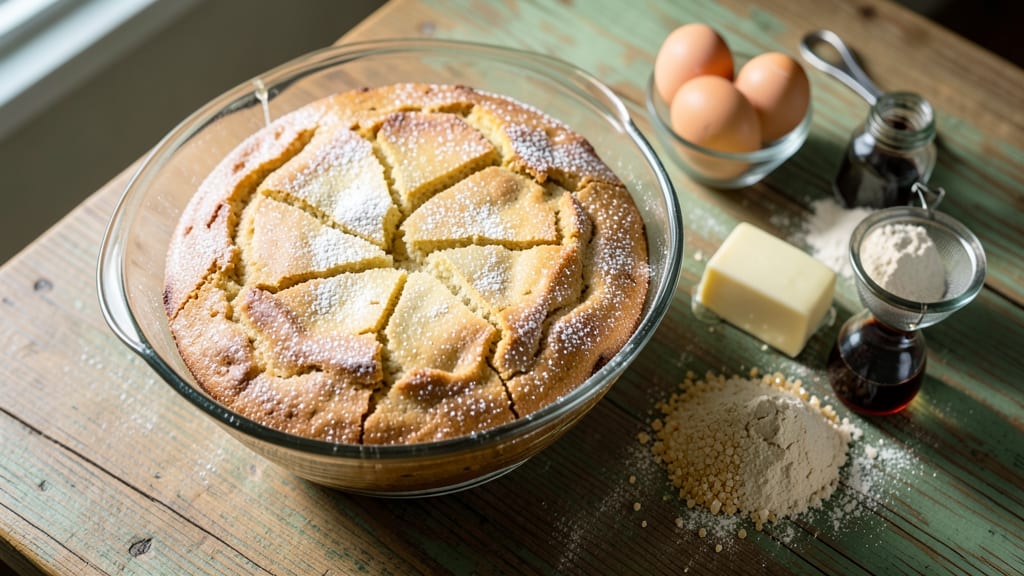
This organic vanilla cake recipe delivers the perfect balance of natural sweetness and light-as-air layers without artificial additives. After years of perfecting organic baking techniques, I’ve developed a method that uses simple, wholesome ingredients to create a cake that’s as nutritious as it is delicious—no compromises on flavor or texture.
The secret lies in properly creaming organic butter and eggs while incorporating natural sweeteners like organic cane sugar or honey.
The beauty of this recipe is its adaptability—whether you’re baking for a celebration or a weeknight treat, the foolproof method ensures consistent results every time. Organic all-purpose flour provides structure, while a touch of vanilla extract and baking powder create those signature fluffy layers.
For a lighter texture, I recommend folding in whipped egg whites at the end, a technique that guarantees a tender crumb without sacrificing moisture.
By the time it emerges from the oven, you’ll have a golden-brown cake with a delicate crumb that melts in your mouth and a subtle vanilla aroma that fills your kitchen. The natural sweetness shines through without overpowering, making it a crowd-pleaser for both kids and adults.
Whether you’re serving slices plain or adorned with organic whipped cream and fresh berries, this cake proves organic baking can be just as indulgent as traditional recipes.
This recipe also accommodates dietary preferences—swap organic eggs for flax eggs, use coconut oil instead of butter, or replace cane sugar with maple syrup for a plant-based version.
The instructions will guide you through every step, from mixing to baking and decorating, ensuring your organic cake turns out perfectly every time. Let’s get baking!
Ingredients for organic cake
Twelve wholesome ingredients transform into a cake that's as nutritious as it is indulgent.
| Ingredient | Amount | Notes |
|---|---|---|
| Organic Unsalted Butter 🧈 | 1 cup | Softened to room temperature |
| Organic Large Eggs 🥚 | 4 whole | Room temperature for best results |
| Organic Cane Sugar 🍯 | 1 ½ cups | Or organic honey for plant-based |
| Organic All-Purpose Flour 🌾 | 2 ½ cups | Sifted for light texture |
| Pure Vanilla Extract 🌸 | 2 tsp | High-quality Madagascar bourbon |
| Baking Powder 🍞 | 2 tsp | Aluminum-free preferred |
| Fine Sea Salt 🧂 | ½ tsp | Diamond Crystal preferred |
| Organic Whole Milk 🥛 | ¾ cup | Room temperature |
| Large Egg Whites 🥚 | 4 whole | Separated for folding |
| Organic Lemon Zest 🍋 | 1 tbsp | Brightens flavor |
| Organic Vanilla Bean Seeds 🌸 | 1 tsp | Scraped from 1 pod |
| Organic Coconut Oil 🥥 | ½ cup | Substitute for butter if needed |
The organic butter and eggs are non-negotiable here—Whole Foods Market or Trader Joe's carry excellent organic options. Look for butter with vibrant yellow color (not pale) and eggs labeled cage-free or pasture-raised. If you're using coconut oil as a substitute, pick the refined version (not virgin) for neutral flavor. The organic cane sugar should be light brown—Wholesome Sweeteners is a reliable brand. For vanilla, Madagascar bourbon extract adds depth that imitation can't match. Pre-sift your flour to avoid lumps; I always use a fine-mesh sieve for the best results.
No organic cane sugar? Organic maple syrup works beautifully—reduce the liquid by 1 tbsp per ½ cup to account for moisture. Swapping butter for coconut oil? Melt it first to mimic the creaming process. Short on egg whites? Aquafaba (chickpea brine) whipped to stiff peaks is a great vegan alternative. The lemon zest can be zested fresh or substituted with ½ tsp lemon extract in a pinch. For a gluten-free version, replace the all-purpose flour with a 1:1 gluten-free blend—just don't skip sifting. The baking powder must be fresh; if your stash is over 6 months old, test it first (mix with water—should bubble).
This cake keeps beautifully for 5 days wrapped in parchment at room temperature or 2 weeks in the fridge. For longer storage, freeze slices between parchment layers for up to 3 months. I like to portion the batter into two 8-inch pans before baking—this ensures even layers. The organic ingredients mean the cake stays moist longer than conventional versions. For serving, dust with powdered organic cane sugar or top with organic whipped cream and fresh berries. The flavor actually improves the next day as the vanilla infuses further.
Why You'll Love This Recipe
- Here’s what sold me: pure vanilla extract, not imitation. The first bite? Warm, buttery, and that real vanilla aroma lingers like a hug. Even my vanilla-snob cousin nods at this one.
- No-Fuss Mixing: I swear by this recipe—just cream butter and sugar, crack eggs, fold in flour. No sifting, no overthinking. That creamy organic butter makes it rich without the fuss of melted chocolate or extra steps.
- Vanilla Kiss: Here’s what sold me: pure vanilla extract, not imitation. The first bite? Warm, buttery, and that real vanilla aroma lingers like a hug. Even my vanilla-snob cousin nods at this one.
- Crowd-Pleaser Base: Between us, this cake handles anything. Frost it, fill it, or serve it plain—it’s the blank canvas I rely on for birthdays, potlucks, or when I’m too tired to bake from scratch. (Yes, even on a Tuesday night.)
Step-by-step instructions for organic vanilla cake
Here's how to create a perfectly light-as-air organic vanilla cake with tender layers and natural sweetness.
Prepare the Dry and Wet Ingredients Separately
First, let's organize our ingredients for maximum efficiency. In a medium bowl, whisk together the 2.5 cups of organic all-purpose flour, 2 teaspoons of baking powder, and the 0.5 teaspoon of fine sea salt. Sift this mixture through a fine-mesh sieve directly into a large mixing bowl to aerate the flour and prevent lumps. This creates a light, airy base for our cake.
In a separate large bowl, combine the 1 cup of organic unsalted butter and 0.5 cup of organic coconut oil at room temperature. Using an electric mixer on medium speed, beat these fats together for about 2 minutes until completely smooth and homogeneous. This step ensures our butter and coconut oil blend seamlessly, creating a tender crumb. The coconut oil adds moisture while keeping the cake naturally sweet without refined sugar.
Cream the Butter, Sugar, and Eggs
Gradually add the 1.5 cups of organic cane sugar to the butter mixture, beating on medium-high speed for 3-4 minutes until the mixture becomes pale and fluffy. You'll notice it nearly doubles in volume and develops a ribbon-like consistency when you lift the beaters. This creaming process incorporates air, which is crucial for that light-as-air texture we're aiming for.
Add the 4 whole organic large eggs, one at a time, beating well after each addition until fully incorporated. Then stir in the 2 teaspoons of pure vanilla extract and the 1 teaspoon of organic vanilla bean seeds using a spatula. The vanilla bean seeds add depth of flavor that pure extract alone can't provide. Let the mixture sit for 5 minutes at room temperature to allow the flavors to meld together.
Combine Wet and Dry Ingredients
With the mixer on low speed, gradually add about one-third of the dry ingredients to the wet mixture. Mix just until combined, then alternate adding the remaining dry ingredients and the 0.75 cup of organic whole milk, beginning and ending with the dry ingredients. This alternating method ensures even distribution of ingredients without overmixing, which could make the cake dense.
Add the 1 tablespoon of organic lemon zest and mix on low speed until just combined. The lemon zest brightens the natural sweetness of the cake while adding a subtle citrus note that complements the vanilla beautifully. Scrape down the sides of the bowl with a spatula to ensure all ingredients are evenly incorporated.
Fold in the Egg Whites
In a separate, very clean bowl, beat the 4 whole large egg whites with an electric mixer on high speed until soft peaks form. Gradually add the remaining 1.5 cups of organic cane sugar and continue beating until the egg whites form stiff, glossy peaks that hold their shape when the beaters are lifted. This step is crucial for creating the cake's signature lightness and airy texture.
Gently fold one-third of the egg whites into the cake batter using a spatula, being careful not to deflate the egg whites. Then fold in the remaining egg whites in two additions, alternating with the batter. Fold just until no white streaks remain—overmixing at this stage will make the cake dense. The result should be a smooth, velvety batter with no lumps.
Bake to Golden Perfection
Preheat your oven to 350°F and grease two 9-inch round cake pans with organic coconut oil, then line the bottoms with parchment paper. Divide the batter evenly between the prepared pans. Tap each pan gently on the counter to release any air bubbles and ensure the batter settles evenly.
Bake for 25-30 minutes, or until a toothpick inserted into the center comes out clean. The cakes should be golden brown on top and spring back gently when touched. Rotate the pans halfway through baking for even browning. Let the cakes cool in the pans for 10 minutes, then transfer to a wire rack to cool completely before frosting.
Pro Tips For Making Organic Cake
- Cream Butter Slowly: Beat the organic unsalted butter and sugar at medium speed for 3-4 minutes until it’s pale and fluffy—don’t rush it. I used to crank the mixer high and end up with a greasy mess; patience here makes all the difference for that light, airy texture.
- Whisk Eggs First: Separate and whisk the organic large eggs until they’re frothy before folding them into the butter mixture. This keeps them from curdling and ensures a smoother batter—trust me, you’ll taste the difference.
- Sift Flour Twice: Sift the organic all-purpose flour twice to avoid lumps, especially if it’s fresh or finely milled. I learned this the hard way when my cake turned out dense—now I take the extra 30 seconds to guarantee a tender crumb.
- Add Vanilla Last: Stir in the pure vanilla extract right before folding in the flour to preserve its bright flavor. If you add it earlier, it can cook off or get lost in the butter—this keeps the aroma sharp and vibrant.
Common mistakes when making perfect results
Overmixing the Batter
I’ve ruined more cakes than I’d admit by overmixing the batter, especially after adding the flour. The moment your batter looks smooth and uniform is exactly when to stop mixing. Overmixing develops gluten in the flour, which creates a tough, dense cake instead of the light, tender crumb we want.
Use a spatula to gently fold in the dry ingredients just until combined—no streaks, but no overworking either. 💫
Skipping Room Temperature Ingredients
Organic butter, eggs, and milk should never be straight from the fridge. Cold ingredients shock the batter, preventing proper emulsification and leading to a dense, uneven texture.
Let your butter sit out for 1-2 hours until soft (but not melted), and bring eggs and milk to room temperature (about 60-70°F) before using. I keep my eggs in warm water for 5 minutes if I’m in a hurry.
Incorrect Oven Temperature
Your oven’s temperature gauge can be off by 25°F or more, and baking at 350°F when it’s actually 325°F means your cake will take longer to bake and may not rise properly. Always use an oven thermometer to verify accuracy.
If your oven runs hot, reduce the temperature to 325°F and add 5-10 minutes to the baking time. A cake that’s underbaked will be gummy, while one that’s overbaked turns dry.
Not Greasing Pans Properly
Greasing your cake pans with just butter or oil isn’t enough—especially with organic ingredients that don’t contain anti-stick additives. Line your pans with parchment paper and grease them thoroughly with organic coconut oil or butter.
I also dust the bottom with a light layer of organic flour before adding the batter to prevent sticking. If your cake sticks, you’ll end up with a messy, uneven slice. 🧈
Opening the Oven Too Soon
Peeking at your cake every 5 minutes disrupts the oven’s heat distribution and causes the cake to sink in the middle. Wait until 25 minutes have passed before checking, and even then, only open the oven briefly.
If you’re unsure, use the toothpick test: insert it into the center—it should come out clean or with just a few moist crumbs. Patience here is key to that perfect rise.
Using Old or Improper Ingredients
Baking powder older than 6 months loses its lift, and expired vanilla extract or rancid butter will ruin your cake’s flavor. Always check your ingredients: baking powder should bubble when mixed with water, and organic butter should smell fresh and nutty.
If your flour has absorbed moisture, sift it again to remove lumps. I keep a small jar of baking powder in the fridge to preserve its potency longer.
Nutrition facts
Frequently asked questions
Can I make this organic vanilla cake without eggs?
Yes! For a vegan version, replace the 4 eggs with 4 tablespoons aquafaba (chickpea brine) whipped to stiff peaks, or use 1 cup applesauce or ½ cup mashed banana as a 1:1 substitute. For flax eggs, mix 4 tablespoons ground flaxseed with 10 tablespoons water and let sit for 5 minutes to thicken. The texture will be slightly denser but still delicious.
How do I know when my organic cake is fully baked?
Use the toothpick test: insert a clean toothpick into the center. It should come out clean or with just a few moist crumbs—no wet batter should cling to it. The cake should also spring back gently when pressed lightly. Baking times vary, so check at 25 minutes for a 350°F oven, even if the recipe suggests 25-30 minutes.
What’s the best way to store leftover organic cake?
Wrap slices tightly in plastic wrap or store in an airtight container at room temperature for 3-5 days. For longer storage, refrigerate for up to 2 weeks or freeze slices (separated by parchment) for 3 months. Thaw overnight in the fridge to preserve texture. The organic ingredients help it stay moist longer than conventional cakes.
Can I substitute organic cane sugar with honey or maple syrup?
Yes! Replace 1.5 cups cane sugar with 1 cup honey or 1 cup maple syrup, but reduce the liquid by 2-3 tablespoons total (since honey/maple syrup are liquid). For honey, warm it slightly to 100°F to make it pourable. The cake will have a deeper, caramel-like flavor. Adjust baking time by 2-3 minutes—honey browns faster.
Why did my organic cake turn out dense instead of light?
Dense cakes usually result from overmixing, cold ingredients, or expired baking powder. Ensure your butter and eggs are room temperature, mix just until combined (no streaks), and use fresh baking powder (test it by mixing with water—it should bubble). Also, check your oven temperature with a thermometer—many ovens run 25°F hotter than set. Adjust as needed!