
Appetizers
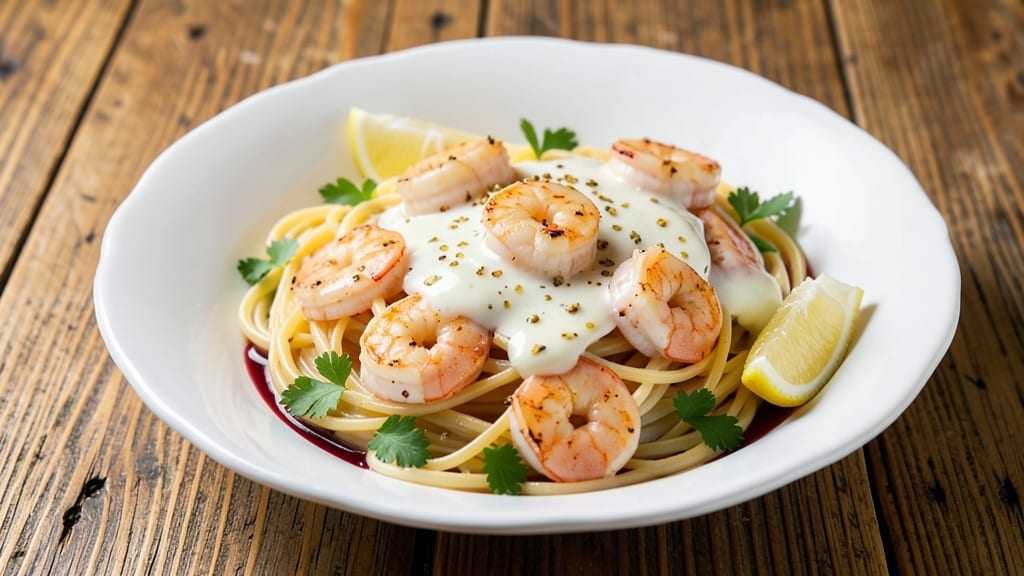
Master this Trader Joe’s shrimp scampi recipe to bring home that garlicky, lemon-butter magic without the restaurant price tag. The secret lies in properly sautéing shrimp until just pink while building a sauce from white wine, butter, and fresh parsley that coats every bite.
I've perfected this technique over countless weeknight dinners, and it consistently delivers restaurant-quality results in under 20 minutes.
What makes this recipe work is the balance between timing and technique - cooking the shrimp quickly over high heat preserves their tenderness while the sauce simmers just long enough to develop depth.
The white wine adds brightness that cuts through the richness of the butter, while fresh parsley brings a pop of color and freshness. This isn't just another scampi recipe; it's the one that will have your guests asking for seconds.
By the time you're done, you'll have perfectly cooked shrimp swimming in a velvety lemon-butter sauce that's bright, garlicky, and impossibly flavorful. The shrimp will be tender yet firm, with just a hint of pink in the center, while the sauce clings beautifully to each piece.
This is the kind of dish that transforms a simple weeknight dinner into something special without requiring hours in the kitchen.
Serve it over linguine for a complete meal, or pair with crusty bread to soak up every last drop of that delicious sauce. The lemon wedges on the side aren't just for garnish - they add that final bright note that makes this scampi truly exceptional. Let's get cooking!
Ingredients for trader joe's shrimp scampi
These 12 ingredients transform into restaurant-worthy scampi in minutes.
| Ingredient | Amount | Notes |
|---|---|---|
| Large Shrimp (Peeled & Deveined) 🦐 | 1 ½ lb | Frozen works if thawed properly |
| Unsalted Butter 🧈 | ½ cup | Cold, cut into 8 pieces |
| Garlic Cloves 🧄 | 6 cloves | Fresh, minced for maximum flavor |
| Dry White Wine 🍷 | ½ cup | Sauvignon Blanc preferred |
| Fresh Lemon Juice 🍋 | ¼ cup | From 2-3 lemons, freshly squeezed |
| Fresh Parsley 🌿 | ¼ cup | Chopped, flat-leaf preferred |
| Kosher Salt 🧂 | 1 ½ tsp | Adjust to taste |
| Ground Black Pepper 🌶️ | ½ tsp | Freshly cracked preferred |
| Extra-Virgin Olive Oil 🫒 | 1 tbsp | For sautéing shrimp |
| Linguine Pasta 🍝 | 12 oz | Or any pasta of choice |
| Red Pepper Flakes 🌶️ | ¼ tsp | Optional, for heat |
| Lemon Wedges 🍋 | 4 whole | For serving |
The shrimp are the star—Trader Joe's frozen jumbo shrimp work perfectly if thawed overnight in the fridge. Look for bright pink color and firm texture when buying fresh. Garlic matters here: use fresh cloves, not powder, for that authentic flavor. I always grab extra parsley—half goes in the sauce, half gets sprinkled on top at the end. The butter should be cold and cubed for proper browning in the sauce. White wine adds brightness, so avoid anything too oaky—stick with Sauvignon Blanc or Pinot Grigio.
No white wine? Substitute with shrimp stock or chicken broth—just add a splash of lemon juice to mimic the acidity. Fresh parsley wilt fast, so buy a small bunch and use it all at once (or freeze the stems for future use). The olive oil is non-negotiable—use extra-virgin for that fruity depth. For heat lovers, red pepper flakes can be added to taste, but the lemon already brings enough brightness. If you're short on time, pre-cook the pasta separately and keep it warm while you finish the sauce.
This sauce reheats beautifully—keep portions small since it thickens as it cools. Store leftovers in the fridge for up to 3 days, covered with a thin layer of olive oil to preserve freshness. The shrimp should be eaten within 2 days for peak texture. For meal prep, cook the pasta ahead and assemble everything just before serving to maintain that restaurant-fresh quality. The lemon wedges on the side aren't just for show—they add that final zesty punch that makes this dish truly exceptional.
Why You'll Love This Recipe
- Here’s what sold me: the way the white wine cuts through the richness of the butter, then the lemon juice zings like a little flavor party. The shrimp soak up that sauce so well, they practically sing.
- One-Pan Magic: I swear by this recipe because it’s literally one pan, one sauce, and done. Melt butter, toss in garlic and shrimp, deglaze with wine—no chopping, no fuss, just that bright, garlicky lemon butter clinging to every bite.
- Wine & Butter Bliss: Here’s what sold me: the way the white wine cuts through the richness of the butter, then the lemon juice zings like a little flavor party. The shrimp soak up that sauce so well, they practically sing.
- Date Night Ready: Between us, this is my go-to when I want to impress someone without stressing. Serve it over linguine or with crusty bread—either way, it feels fancy but takes less time than ordering takeout.
Step-by-step instructions for Trader Joe's shrimp scampi recipe
Here's how to recreate that iconic garlicky lemon butter flavor at home—fast and foolproof.
Cook the Linguine Pasta to Al Dente Perfection
Bring a large pot of water to a rolling boil and add 12 oz linguine pasta. Stir immediately to prevent sticking, then add 1.5 tsp kosher salt and 0.5 tsp ground black pepper. Cook until 1 minute before the package instructions specify for al dente—this ensures it finishes cooking in the scampi sauce.
Reserve 1 cup pasta water before draining (this starchy liquid is essential for creating the silky sauce). Drain the pasta and set it aside, covered, while you prepare the shrimp. The pasta should be hot when you combine it with the scampi, so work quickly once everything is ready.
Sauté the Garlic in Olive Oil Until Fragrant
Heat 1 tbsp extra-virgin olive oil in a large skillet over medium heat. Add 6 cloves minced garlic cloves and sauté for 30-45 seconds until the garlic becomes golden and fragrant—not browned. This step is crucial for building the foundation of flavor. If the garlic starts to brown too quickly, reduce the heat slightly.
Here's the thing—don't walk away. Garlic burns faster than you think, and burnt garlic will make your entire dish taste bitter. Keep your eye on the pan and stir constantly. Once the garlic is golden, remove the skillet from heat and set it aside for now—you'll return to it shortly.
Cook the Shrimp Until Pink and Just Done
Increase the heat to medium-high and add the cold 0.5 cup unsalted butter cut into pieces. Let it melt completely, then add the 1.5 lb large shrimp (peeled & deveined). Cook for 1-2 minutes per side until the shrimp turn pink and opaque—they should curl slightly at the edges but remain tender. Overcooking shrimp makes them rubbery, so time this carefully.
Remove the shrimp from the skillet and set them aside on a plate. The shrimp should be fully cooked through but still juicy. If you're using frozen shrimp, make sure they're completely thawed before cooking to ensure even doneness.
Deglaze with Wine and Lemon Juice
Return the skillet to medium heat and pour in the 0.5 cup dry white wine. Let it simmer for 1-2 minutes until reduced by half, scraping up any browned bits from the bottom of the pan with a wooden spoon. This deglazing step captures all the flavor that would otherwise stick to the pan.
Add the 0.25 cup fresh lemon juice and stir for 30 seconds until the sauce begins to thicken slightly. The lemon juice brightens the flavors and balances the richness of the butter. Taste the sauce at this point—it should be tangy and slightly acidic. If it needs more acidity, add a splash more lemon juice.
Combine Everything and Finish with Parsley
Return the shrimp to the skillet and add the cooked linguine pasta, tossing everything together for 1-2 minutes until the pasta is well-coated in the sauce. If the sauce seems too thick, add 2-3 tablespoons of reserved pasta water to loosen it to your desired consistency. The sauce should cling to the pasta and shrimp without being watery.
Remove the skillet from heat and stir in the 0.25 cup fresh parsley and 0.25 tsp red pepper flakes (if using). Garnish each serving with 1 whole lemon wedge and serve immediately. The dish should be hot, with a vibrant lemon-butter sauce that coats every bite of shrimp and pasta.
Pro Tips For Making Trader Joe'S Shrimp Scampi
- Cook Shrimp in Batches: If you’re using more than a pound of shrimp, don’t crowd the pan—cook them in two separate batches. I learned this the hard way when my first try turned into a sad, steamed mess instead of crispy, pink perfection. Two minutes per batch over medium-high heat keeps them searing, not simmering.
- Sauté Garlic Until Golden: Don’t just smell the garlic—watch it until it’s golden, not brown. The second it darkens, you’ve crossed into bitter territory. My grandmother swore by this, and she was right: the flavor difference is like night and day, especially when paired with that white wine.
- Deglaze with Cold Wine: Pour the white wine into the hot pan after removing the shrimp—cold wine deglazes better and cuts through the butter residue without splattering everywhere. I was skeptical until I tried it; now I never go back. (Yes, even if you’re impatient like me.)
- Finish with Zest, Not Just Juice: Skip the pre-grated lemon juice—zest the peel first, then juice it. The zest adds a bright, aromatic layer that makes the dish taste fresh, not just tangy. It’s the thing that matters most when you’re serving it over pasta or crusty bread. (Your future self will notice.)
Health benefits of this recipe
Lean Protein Power
This shrimp scampi delivers high-quality protein with just 45 grams per serving (based on 1.5 lbs shrimp for 4 servings), making it an excellent choice for muscle maintenance and repair.
Shrimp is one of the leanest protein sources available—93% of its calories come from protein, with virtually no saturated fat. The quick cooking time also preserves its delicate texture and nutritional integrity. 💪
Heart-Healthy Omega-3s
While shrimp isn't as rich in omega-3s as fatty fish like salmon, it still provides valuable heart-supporting fats—about 1.5 grams per serving. These essential fatty acids help reduce inflammation and support cardiovascular health.
The white wine in this recipe adds polyphenols that further promote heart health when consumed in moderation. I always use Sauvignon Blanc for its balanced acidity and lower alcohol content.
Vitamin B12 Boost
Shrimp is one of the best food sources of vitamin B12, with a 6-ounce serving providing 60% of your daily needs. This vitamin is crucial for nerve function, red blood cell production, and energy metabolism.
The lemon juice in this recipe enhances B12 absorption, making this dish not just delicious but also a nutritional powerhouse. Just 3-4 servings per week can help prevent deficiencies.
Low-Calorie Luxury
At just around 250 calories per serving, this shrimp scampi offers restaurant-quality flavor without the calorie bomb. The dish gets its richness from healthy fats in the butter and olive oil, which are metabolized more slowly than refined carbs.
The lemon and garlic add zero calories but maximum flavor, making this a guilt-free indulgence. I often serve it with a side salad to keep the meal light and balanced. 🍋
Antioxidant-Rich Ingredients
The fresh parsley and lemon in this recipe provide vitamin C, vitamin K, and antioxidants that combat oxidative stress. Parsley contains lutein and zeaxanthin, which support eye health, while lemon's flavonoids have been linked to reduced inflammation.
The garlic adds allicin, a compound with potent antimicrobial properties. Together, these ingredients make this dish not just tasty but also packed with disease-fighting compounds.
Digestive Benefits
Shrimp is an excellent source of choline (about 60mg per serving), a nutrient that supports liver function and digestion. The lemon juice in this recipe also aids digestion by stimulating stomach acid production.
For those with sensitive stomachs, the quick cooking time means no heavy, greasy textures that might cause discomfort. I've found this dish is particularly gentle yet satisfying for post-workout meals when paired with whole-grain pasta. 💡
Nutrition facts
Frequently asked questions
Can I make this shrimp scampi without white wine?
Use 0.5 cup shrimp stock or chicken broth instead, plus an extra 1 tablespoon lemon juice to mimic the acidity. For extra depth, add 1 teaspoon dry vermouth or a splash of apple cider vinegar. The key is maintaining that bright, tangy balance in the sauce.
How do I prevent the shrimp from turning rubbery?
Cook shrimp over medium-high heat for only 1-2 minutes per side until they're just opaque and curl slightly. Overcooking releases moisture, making them tough. Remove them from heat immediately when done, and let them rest 1 minute before adding back to the sauce. Always use room-temperature shrimp for even cooking.
What's the best pasta to use besides linguine?
Any al dente pasta works—try spaghetti, fettuccine, or penne. For extra texture, use whole wheat or chickpea pasta. Just adjust cooking time slightly (check package instructions) and reserve 1 cup pasta water regardless of shape. The sauce should cling to any pasta shape beautifully.
Can I make this dish ahead of time?
Cook the shrimp and sauce separately, then refrigerate for up to 2 days. Reheat gently on low heat with a splash of water or lemon juice to prevent drying. Keep pasta raw until serving—cook it fresh and toss with the reheated shrimp mixture. The sauce reheats better than cooked pasta, so always cook pasta last.
Why does my sauce get watery when I add pasta?
This happens when the sauce lacks enough starch or fat. Add 2-3 tablespoons reserved pasta water to loosen it, or stir in 1 teaspoon cornstarch mixed with cold water to thicken. For extra richness, add 1 tablespoon cold butter at the end. Always simmer the sauce before adding pasta to help it cling better.