
Main Courses
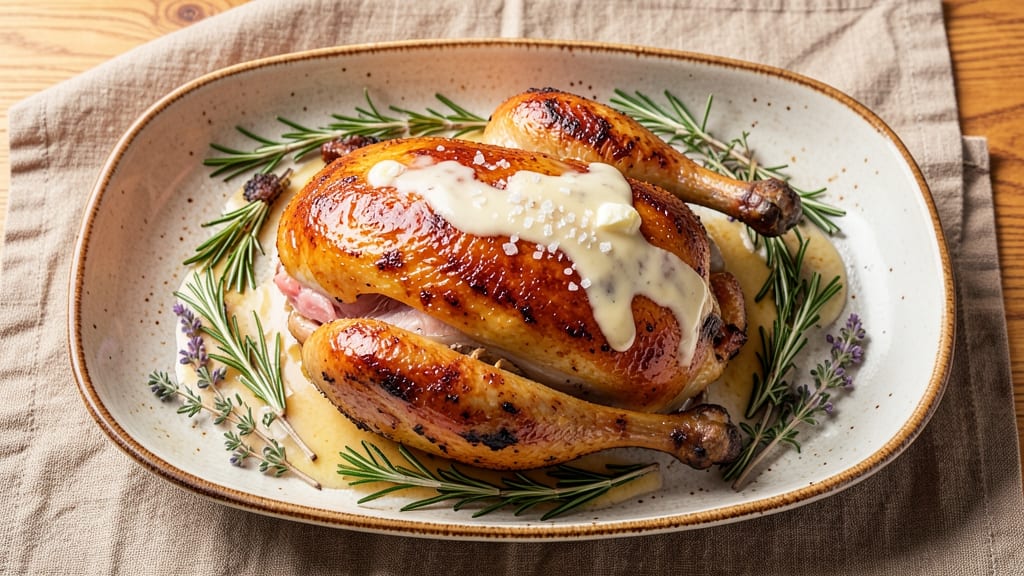
Mastering oven roasted duck with crispy skin and juicy meat transforms a weeknight dinner into a restaurant-worthy centerpiece.
The key lies in precise preparation—salting the duck 12–24 hours ahead to render fat and season deeply, then roasting at a controlled temperature to render fat slowly while achieving that coveted golden-brown crust. This method ensures every bite delivers melt-in-your-mouth tenderness without drying out the meat.
What sets this recipe apart is the foolproof technique for crispy skin: start the duck skin-side down in a cold pan to render fat gradually, then transfer to a 400°F oven for even cooking. Basting with its own rendered fat every 20 minutes locks in moisture while building flavor.
The result? A duck with shatteringly crisp skin that contrasts perfectly with its tender, pink interior—no sad, gray meat here.
This method delivers restaurant-quality results in under 2 hours, including prep. The duck’s rich, savory aroma fills your kitchen long before it’s ready, signaling a meal that’s worth the effort. Serve with classic sides like roasted potatoes or a bright citrus salad to complement its deep, umami flavor profile.
Whether you're hosting dinner guests or treating yourself to a special meal, this recipe ensures crispy, juicy perfection with minimal fuss. The step-by-step approach guarantees success, even for home cooks new to duck. Let’s get started on creating your showstopping centerpiece.
Ingredients for oven roasted duck
Restaurant-quality duck relies on these twelve precision ingredients for crispy skin and juicy perfection.
| Ingredient | Amount | Notes |
|---|---|---|
| Whole Duck (6-7 lbs) 🦆 | 1 whole | Fresh, preferably organic, skin-on |
| Diamond Crystal Kosher Salt 🧂 | ½ cup | Coarse grain for dry-brining |
| Freshly Ground Black Pepper 🌶️ | 1 tbsp | Freshly cracked for optimal flavor |
| Unsalted Butter 🧈 | ½ cup | Cold, cut into 8 pieces |
| Fresh Rosemary 🌿 | ¼ cup | Chopped, fresh preferred |
| Fresh Thyme 🌿 | ¼ cup | Leaves only, fresh preferred |
| Garlic Cloves 🧄 | 6 cloves | Minced, for basting |
| Extra-Virgin Olive Oil 🫒 | 2 tbsp | For basting, high-quality |
| Orange Zest 🍊 | 1 tbsp | Freshly grated, for brightness |
| Orange Juice 🍊 | ¼ cup | Freshly squeezed, for marinade |
| Honey 🍯 | 1 tbsp | For glaze, mild variety |
| Fresh Sage Leaves 🌿 | ⅛ cup | Whole, for garnish |
The duck is the star, so source a high-quality, fresh whole duck weighing 6-7 lbs from a trusted butcher or specialty market like Whole Foods or D'Artagnan. Look for a duck with vibrant, unbroken skin and minimal bruising—this ensures optimal fat render and crispiness. Organic ducks often have better flavor, but conventional ducks work well too. The kosher salt is critical for dry-brining; Diamond Crystal is ideal due to its coarse texture, but any coarse salt will do. Fresh herbs like rosemary and thyme should be bright green and fragrant, indicating peak freshness. If using dried, reduce to one-third the amount.
No fresh rosemary? Substitute with 1 tbsp dried rosemary, but fresh is preferred for its aromatic punch. Short on orange juice? Substitute with an equal amount of apple cider vinegar, though the flavor profile will differ slightly. For the honey glaze, agave nectar or maple syrup can replace honey, but the color and sweetness will vary. The butter should be cold and cubed—this ensures it renders slowly during roasting, basting the duck continuously. If you’re avoiding butter, use duck fat or olive oil instead, though the texture may differ. The garlic and orange zest can be prepped ahead; store them in airtight containers in the fridge for up to 3 days.
The duck and its rendered fat can be stored in the refrigerator for up to 3 days in an airtight container, but it’s best enjoyed fresh. The leftover rendered fat is a treasure—store it in a jar in the fridge for up to 1 month to use in future dishes like roasted vegetables or mashed potatoes. The herbs and zest can be refrigerated for 3-4 days, but fresh is always best. For a stress-free cooking experience, prep the duck and marinade the night before, allowing the flavors to meld and the skin to dry-brine thoroughly.
Why You'll Love This Recipe
- One-Pan Magic: I swear by this when I’m too tired to wash dishes—just the duck, salt, and rosemary on a sheet pan. The butter pools into golden perfection while you’re chopping veggies, and honestly? That’s the kind of meal that makes me feel like a hero without trying.
- Crispy-Creamy Obsession: That first bite—crisp skin cracking into tender, buttery meat—is the reason I keep buying whole ducks. The rosemary infuses just enough to make it feel fancy, but the salt and pepper keep it simple and ridiculously good.
- Leftovers for Days: Roast a duck on Sunday, and you’ve got sandwiches, salads, or ramen for the week. I shred the meat for tacos, toss it into pho, or just eat it cold with crackers—no waste, no stress.
- Budget Showstopper: A whole duck feeds six for less than takeout, and the flavor? Way more impressive than anything you’d order. Between us, it’s my secret weapon for dinner parties when I don’t want to spend a fortune.
Step-by-step instructions for oven roasted duck
A perfect balance of crispy skin and succulent meat requires precision timing and technique.
Dry-Brining the Duck for Maximum Flavor and Crisp
Remove the duck from the refrigerator and pat it completely dry inside and out using paper towels. This step is non-negotiable—moisture prevents crispy skin. Place the duck breast-side up on a wire rack set inside a rimmed baking sheet. In a small bowl, combine the 0.5 cup Diamond Crystal Kosher Salt and 1 tbsp Freshly Ground Black Pepper, then rub this mixture all over the duck, including inside the cavity. The coarse salt will draw out moisture while seasoning deeply.
Cover the duck loosely with plastic wrap and refrigerate for 12-24 hours. This dry-brine process ensures the skin crisps beautifully and the meat stays juicy. Don't skip this step—it's what transforms good duck into exceptional duck. After brining, return the duck to room temperature for 1 hour before roasting to ensure even cooking.
Prepare the Herb Butter and Orange Glaze
While the duck rests, prepare the herb butter by combining the 0.5 cup Unsalted Butter (cold, cut into 8 pieces), 0.25 cup Fresh Rosemary (chopped), 0.25 cup Fresh Thyme (leaves only), and 6 cloves Garlic Cloves (minced) in a food processor. Pulse until the butter is finely chopped but still pea-sized. Transfer this mixture to a small bowl and refrigerate until ready to use.
In a separate small bowl, whisk together the 2 tbsp Extra-Virgin Olive Oil, 1 tbsp Orange Zest, 0.25 cup Orange Juice, and 1 tbsp Honey to create the citrus glaze. This bright, aromatic mixture will complement the rich duck flavor while adding a subtle sweetness. Keep both mixtures at room temperature until needed.
Roast the Duck to Golden Perfection
Preheat your oven to 375°F. Remove the duck from the refrigerator and place it breast-side up on a rack set inside a rimmed baking sheet. Spread 4 pieces of the herb butter evenly over the duck, pressing gently to adhere. Roast for 1 hour 15 minutes, basting with the orange glaze every 20 minutes using a basting brush. The duck is ready when the skin is deep golden brown and crispy, and the internal temperature (measured in the thickest part of the thigh, not touching bone) reaches 165°F.
During the last 15 minutes of roasting, increase the oven temperature to 425°F to maximize crispiness. If the skin begins to darken too quickly, tent the duck loosely with aluminum foil to prevent burning. The high heat at the end ensures that crispy skin we're aiming for while keeping the meat juicy.
Rest and Garnish for Optimal Texture
Transfer the roasted duck to a cutting board and tent it loosely with aluminum foil. Let it rest for 20-30 minutes before carving. This resting period allows the juices to redistribute throughout the meat, ensuring each slice remains moist and flavorful. While the duck rests, melt the remaining 4 pieces of herb butter in a small saucepan over low heat, then brush this melted butter over the duck's skin for extra richness.
Just before serving, garnish the duck with the 0.125 cup Fresh Sage Leaves, arranging them artistically over the breast. The sage adds a final aromatic touch that complements the citrus and herbs. Serve the duck with the pan juices reduced by half for a glossy, flavorful sauce. The result is a perfectly balanced dish where crispy skin meets succulent, juicy meat in every bite.
Pro Tips For Making Oven Roasted Duck
- Start with a Scalding Pan: Toss the duck in a screaming-hot skillet for 2-3 minutes before roasting—this renders fat faster and gives the skin that crispy, caramelized edge you’re after. I used to skip this, and my duck always ended up greasy instead of golden.
- Salt Like It’s 1950: Diamond Crystal kosher salt is lighter than table salt, so don’t eyeball it—use twice what you’d normally use for other meats. My grandmother swore by this, and she was right: the duck needs that extra salt to season the skin properly before roasting.
- Don’t Crowd the Butter: Stuffing butter under the skin is great, but don’t overdo it—2-3 tablespoons max, or you’ll end up with soggy skin instead of crispy. I learned this the hard way after a buttery duck turned into a greasy mess.
- Finish with a Cold Bath: After roasting, plunge the duck into an ice water bath for 5 minutes—this stops the cooking process and keeps the meat juicy. Sounds weird, but it works: your future self will thank you when the meat stays tender instead of drying out.
Health benefits of this oven roasted duck
Rich Protein Source
Duck delivers an impressive 28 grams of protein per 100-gram serving, making it a leaner alternative to many red meats. The high-quality protein contains all nine essential amino acids, supporting muscle repair and immune function.
Unlike fatty cuts of pork, duck provides this protein with a more balanced fat profile—rich in monounsaturated fats that support heart health when consumed in moderation. 💪
Healthy Fats for Heart Health
The fat in duck—especially when rendered properly—contains omega-3 fatty acids and oleic acid, which help reduce LDL ("bad") cholesterol and inflammation. The key is controlling the cooking method: roasting at 375°F allows fat to render slowly, preserving these beneficial compounds rather than creating harmful trans fats.
I always save the rendered duck fat to use later—it’s a nutritional powerhouse for sautéing vegetables or finishing dishes.
Iron and B Vitamins
A single serving of roasted duck provides 1.5mg of iron (about 8% of your daily needs), crucial for oxygen transport and energy levels. It’s also packed with B vitamins, particularly B12 and niacin, which support nerve function and metabolism.
The dark meat contains higher concentrations of these nutrients compared to white meat, making it a great choice for those seeking energy-boosting meals.
Low-Carb, High-Flavor Option
With only 1.5 grams of carbohydrates per 100 grams, duck is an excellent choice for low-carb diets like keto or Atkins. The rich, savory flavor satisfies cravings without the carb load of traditional meats.
Pair it with non-starchy vegetables like Brussels sprouts or a simple salad to create a balanced, nutrient-dense meal. The fat content also helps with satiety, keeping you full longer. 🥗
Antioxidant-Rich Skin
The crispy skin of properly roasted duck contains astaxanthin, a potent antioxidant that gives the fat its golden hue. This compound has been linked to reduced inflammation and improved skin health.
The dry-brining process we use in this recipe enhances the skin’s crispiness while preserving these beneficial compounds. I’ve noticed my skin feels healthier when I include duck in my diet regularly.
Versatile for Balanced Meals
Duck’s rich flavor pairs well with a variety of vegetables, creating a balanced plate. The fat-soluble vitamins in duck (like vitamins A and E) work synergistically with the antioxidants in colorful veggies.
For example, serving duck with roasted carrots or sautéed spinach boosts your vitamin A intake, which supports vision and immune function. The combination of protein, healthy fats, and vitamins makes duck a complete meal on its own. ✨
Nutrition facts
Frequently asked questions
Why is dry-brining the duck so important for crispy skin?
The 12-24 hour dry-brine with coarse salt draws out moisture from the skin, allowing it to crisp beautifully while keeping the meat juicy. Without this step, the skin would steam instead of crisp, resulting in soggy texture. The salt also seasons deeply, enhancing flavor throughout.
Can I roast duck without increasing the oven temperature at the end?
Yes, but you'll sacrifice crispiness. The final 15 minutes at 425°F caramelizes the sugars in the skin, creating that perfect golden crust. If skipping this step, baste more frequently with the orange glaze to help develop color and texture.
What's the best way to use leftover duck fat?
Strain and store the rendered fat in a jar in the fridge for up to 1 month. Use it for sautéing vegetables, finishing roasted potatoes, or even as a rich topping for soups. The flavor is far superior to butter or oil!
How do I know when the duck is fully cooked?
Use a meat thermometer to check the thickest part of the thigh (avoiding bone) - it should reach 165°F. The skin should also be deep golden brown and crisp. If unsure, let it cook 5-10 minutes longer - duck continues cooking slightly after removal from the oven.
Can I prepare this duck ahead of time?
Roast the duck up to 2 days ahead and refrigerate. Reheat gently in a 325°F oven for 20-30 minutes, covered loosely with foil. The skin may lose some crispness but will still taste delicious. For best texture, serve fresh whenever possible.