
Main Courses
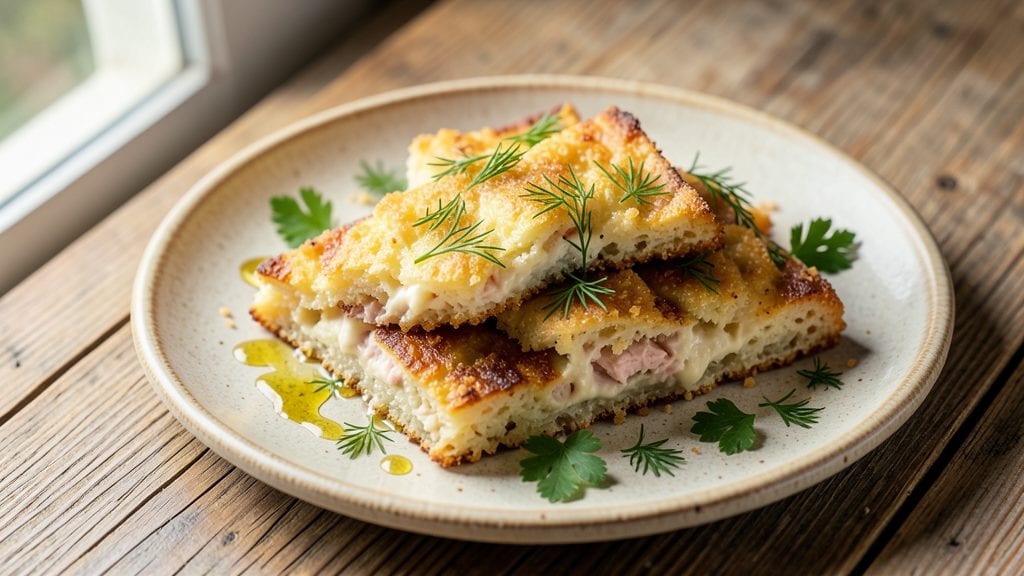
Transforming canned tuna into crispy, golden tuna cakes proves that pantry staples can deliver restaurant-quality results. 🌟 I developed this recipe after realizing how often canned tuna sat in my fridge—until I turned it into these flaky, herb-infused bites that disappear faster than store-bought versions.
The secret lies in balancing moisture with structure, creating a texture that's both tender inside and crispy at the edges.
This recipe builds on classic techniques while offering flexibility—whether you prefer pan-frying for that golden crust or baking for hands-off convenience. The fresh herbs and lemon zest brighten the rich tuna flavor, while the breadcrumbs create that satisfying crunch.
With just 15 minutes of prep and 10 minutes of cooking, you'll have a complete dish that's perfect for weeknight dinners or game day appetizers.
What you'll end up with are flaky, golden-brown tuna cakes that hold their shape yet melt slightly with each bite. The exterior stays crispy while the interior remains moist, thanks to the egg and mayo binding.
These aren't just tuna patties—they're a complete meal with protein, texture, and freshness in every bite.
Serve with lemon wedges, tartar sauce, or a simple aioli for dipping. The recipe scales easily, making it ideal for parties or meal prep. Let's turn that can of tuna into something extraordinary—no fancy ingredients required.
Ingredients for recipe for tuna cakes from canned tuna
Pantry staples meet fresh flavors to create restaurant-quality tuna cakes at home.
| Ingredient | Amount | Notes |
|---|---|---|
| Canned Tuna in Water 🐟 | 3 cans | Drained thoroughly, flaked fine |
| Large Eggs 🥚 | 2 whole | Room temperature for binding |
| Mayonnaise 🧈 | ¼ cup | Full-fat for creaminess |
| Panko Breadcrumbs 🍞 | 1 ½ cups | For extra crispiness |
| Fresh Dill 🌿 | ¼ cup | Chopped finely, bright flavor |
| Fresh Parsley 🌿 | ¼ cup | Chopped finely, garnish |
| Zested Lemon 🍋 | 1 whole | Fresh zest only, no juice |
| Garlic Cloves 🧄 | 3 cloves | Minced, aromatic base |
| Extra-Virgin Olive Oil 🫒 | ¼ cup | For pan-frying, high smoke pt |
| Dijon Mustard 🍯 | 1 tbsp | For tangy depth |
| Salt 🧂 | 1 tsp | Diamond Crystal preferred |
| Black Pepper 🌶️ | ½ tsp | Freshly ground, freshly cracked |
| Worcestershire Sauce 🍶 | 1 tbsp | For umami complexity |
| Cornstarch 🌾 | 2 tbsp | For extra crispiness |
The tuna is your canvas—opt for high-quality brands like Wild Planet or Starkist in water for that clean, flaky texture. Drain it thoroughly and flake it by hand for the best consistency. Fresh herbs are non-negotiable here; Trader Joe's or local farmers markets often carry vibrant dill and parsley that pop with flavor. I always grab a few lemons for zest—Meyer lemons if you're feeling fancy, but regular lemons work perfectly. The garlic should be freshly minced—no jarred stuff here. For the breadcrumbs, Panko is essential—it creates that perfect crunch without turning soggy.
No fresh herbs? Dried dill and parsley at half the amount will get you close, though the flavor won't be as bright. Short on mayo? Greek yogurt or sour cream works in a pinch—just add an extra pinch of salt to balance. Worcestershire sauce is the secret weapon here; if you can't find it, soy sauce plus a dash of vinegar mimics that umami kick. Cornstarch is your friend for crispiness—mix it with the breadcrumbs to ensure every bite stays crunchy. And if you're worried about the mayo, full-fat is non-negotiable—light mayo just won't hold up to the frying.
These cakes keep beautifully in the fridge for 4-5 days if stored between parchment paper. For the best texture, freeze them uncooked on a tray before transferring to a bag—this prevents them from sticking and keeps them crispy when reheated. Reheat in a 350°F oven for 10-12 minutes or pan-fry until golden. They also freeze perfectly for up to 3 months—just add a minute or two to cooking time when reheating. I always make a double batch and freeze half for game day or busy weeknights.
Why You'll Love This Recipe
- No-Fuss Pantry Magic: I swear by this recipe when I’ve got nothing but a can of tuna and a handful of basics. Drain, mix, shape—no fancy prep, no last-minute grocery runs. The panko gives it that satisfying crunch without needing a single flour sift.
- Creamy-Crunchy Balance: That mayo-dill mix? It’s the secret weapon. The panko toasts to golden perfection while the inside stays lusciously tender—like a hug from a fish. I’ll be real: my kids fight over the last piece, and I don’t even pretend to be above stealing bites.
- Lunchbox Legend: These hold up like champs in the fridge for days, making them my go-to for packed lunches or quick snacks. Wrap one in lettuce with a squeeze of lemon, or just eat them straight—no judgment. Honestly, they’re the only thing that keeps my toddler from begging for pizza every day.
- Budget Win: A single can of tuna stretches into a full meal for four, and the rest of the ingredients? Cheap as dirt. I make a double batch on Sundays, freeze half, and save myself $20+ at the grocery store. Plus, no one ever guesses how affordable they are.
Step-by-step instructions for tuna cakes from canned tuna
Here's how to craft golden, herb-infused bites that balance crispy edges with tender centers.
👨🍳 Step 1: Create the Binder Mixture
In a medium bowl, whisk together the 2 whole large eggs until the yolks and whites are fully combined and the mixture is pale yellow. Add the 0.25 cup mayonnaise, 1 tbsp Dijon mustard, 1 tbsp Worcestershire sauce, 1 tsp salt, and 0.5 tsp black pepper. Mix until smooth and homogeneous—this creates the flavor base that will bind everything together.
In a separate small bowl, combine the 2 tbsp cornstarch with 1.5 cups panko breadcrumbs. The cornstarch acts as a crisping agent, while the panko provides that signature flaky texture. Real talk: don't skip the cornstarch—it's what gives these cakes that satisfying crunch.
🍳 Step 2: Flake and Mix the Tuna Base
Drain the 3 cans canned tuna in water thoroughly, then use a fork to break it into fine, even flakes. Transfer to a large mixing bowl and add the 1 whole zested lemon, 3 minced garlic cloves, 0.25 cup finely chopped fresh dill, and 0.25 cup finely chopped fresh parsley. The zest adds brightness, while the herbs provide that fresh, garden-fresh flavor we're after.
Pour the egg mixture over the tuna and stir gently to combine. Add the cornstarch-panko mixture and fold everything together with a rubber spatula. You're aiming for a thick, cohesive batter that holds its shape when scooped—it should be moist but not soupy. If it's too wet, add an extra 1-2 tablespoons panko breadcrumbs to help bind it.
🔥 Step 3: Pan-Fry to Golden Perfection
Heat 0.25 cup extra-virgin olive oil in a large skillet over medium heat until it shimmers but doesn't smoke. The oil should be hot enough to sizzle when you add the first patty—this ensures that crispy exterior we're after. Divide the mixture into 6 equal portions (about 2 tablespoons each) and gently form into patties, about ½-inch thick.
Carefully place the patties in the skillet, being gentle to avoid breaking them apart. Cook for 3-4 minutes per side until they're golden brown and crispy around the edges. You'll see the edges start to crisp—that's your signal to flip. Don't press down on them while cooking, or they'll lose their flaky texture. For even cooking, work in batches if needed, keeping the finished cakes warm in a 200°F oven.
🍽️ Step 4: Serve with Fresh Herb Garnish
Transfer the crispy tuna cakes to a wire rack set over a paper towel-lined plate to drain any excess oil. This step is crucial—it prevents them from becoming greasy while keeping them warm. Let them rest for 2-3 minutes before serving. The internal temperature should reach 160°F—this ensures they're fully cooked through.
Garnish each cake with an extra sprinkle of fresh parsley and serve immediately with your favorite dipping sauce—think tartar sauce, lemon aioli, or even a simple cocktail sauce. The contrast of the crispy exterior with the flaky, herby interior is what makes these cakes so irresistible. Enjoy them while they're warm for the ultimate texture experience!
Pro Tips For Making Recipe For Tuna Cakes From Canned Tuna
- Drain and Press the Tuna: Open the can and dump the tuna into a colander—don’t just pour out the liquid. Press it gently with a spoon to squeeze out excess water, or the cakes will turn soggy. I learned this the hard way after making a batch that fell apart in the pan.
- Chill the Mixture: After mixing everything, pop the tuna cake batter in the fridge for 15–20 minutes. Cold ingredients bind better, and the panko stays crispier instead of absorbing all the moisture. (Yes, even if you’re impatient like me.)
- Skip the Overmixing: Stir just until the panko and dill are evenly distributed—overworking the eggs makes the cakes dense. I used to blend it like a smoothie, and the texture suffered. A few gentle folds are all it takes.
- Use Two Spoons for Shaping: Wet your hands slightly and use a spoon to scoop the mixture, then another to press it into the pan. This keeps the shape intact and prevents messy edges. (Your future self will thank you for not squishing it into a blob.)
Regional styles of this recipe for tuna cakes from canned tuna
Japanese Tuna Mayonnaise Cakes
In Japan, these cakes are called tuna mayonnaise cakes (matsuba sushi or tuna musubi), and they’re a staple in bento boxes and izakaya bars. The key difference?
A thicker mayo base—I use ¼ cup mayo plus 1 tbsp extra—and a touch of mirin (1 tsp) for sweetness. The texture is denser, almost like a patty, and the mayo binds everything together beautifully.
Serve with a sprinkle of furikake (Japanese seasoning) for that umami crunch. 🍶
Southern U.S. Tartar Sauce Twist
Down South, tuna cakes often get a bold tartar sauce drizzle at the end, packed with pickle relish and a pinch of smoked paprika.
I like to mix ½ cup mayo with 2 tbsp ketchup, 1 tbsp chopped dill pickles, 1 tsp capers, and ½ tsp smoked paprika. The acidity cuts through the richness, making each bite brighter.
These are perfect with crispy slaw on the side—a true Southern combo. 🌶️
Pacific Northwest Smoked Salmon Upgrade
Here in Portland, I love swapping half the canned tuna for smoked salmon—just 1.5 cans tuna + 1 can smoked salmon—for a deeper, smokier flavor. Add 1 tsp lemon pepper seasoning (a Pacific Northwest classic) and a sprinkle of fresh chives on top.
The smoked salmon adds a luxurious touch while keeping the dish light. Pair with a dill aioli and you’ve got a dish that feels fancy yet easy. 🌿
Mediterranean Herb & Lemon Variation
For a brighter, herb-forward take, I swap the dill for fresh oregano and thyme, plus add 1 tbsp grated lemon zest to the batter. A drizzle of olive oil and a sprinkle of crumbled feta after baking give it a Greek-inspired twist.
Serve with a tzatziki sauce for dipping—this version feels like a vacation in every bite. 🍋
Gluten-Free Crispy Version
For my gluten-sensitive friends, I replace the panko with a mix of ½ cup crushed gluten-free crackers (like Schär) and ½ cup almond flour. The almond flour adds a nutty depth, while the crackers keep the crunch.
Just make sure to press the cakes firmly when forming—they need that structure to hold together. Still crispy, still delicious! 💪
Nutrition facts
Frequently asked questions
Can I use canned tuna in oil instead of water?
The recipe calls for tuna in water to keep the texture clean and flaky. If you use oil-packed tuna, drain it well and pat it dry with a paper towel to remove excess oil. You may need to add an extra 1-2 tablespoons panko to help absorb any extra moisture and maintain that crispy exterior.
How do I prevent my tuna cakes from falling apart?
Overmixing the batter or using too much wet ingredient (like mayo) can cause them to crumble. Stir just until combined, and if the mixture feels too loose, add 1-2 extra tablespoons panko. Also, form the cakes gently and avoid pressing down while frying—this keeps the structure intact.
Can I bake these instead of pan-frying?
Preheat your oven to 400°F and line a baking sheet with parchment paper. Lightly spray the cakes with oil and bake for 12-15 minutes, flipping halfway, until golden brown. They won’t be as crispy as pan-fried, but they’ll still be delicious and easier to make ahead.
What’s the best way to store leftover tuna cakes?
Store them in an airtight container in the fridge for up to 4-5 days. For longer storage, freeze them on a tray (uncooked) before transferring to a bag—this prevents sticking. Reheat in a 350°F oven for 10-12 minutes or pan-fry until crispy again.
Why do my cakes taste bland?
Fresh herbs and lemon zest are key for brightness—don’t skip them! If you’re using dried herbs, double the amount but still add fresh lemon zest. Also, ensure your tuna is high-quality (like Wild Planet) and that you’re using enough Worcestershire sauce and Dijon for depth. A pinch of smoked paprika can also add warmth.