
Sauces & Condiments
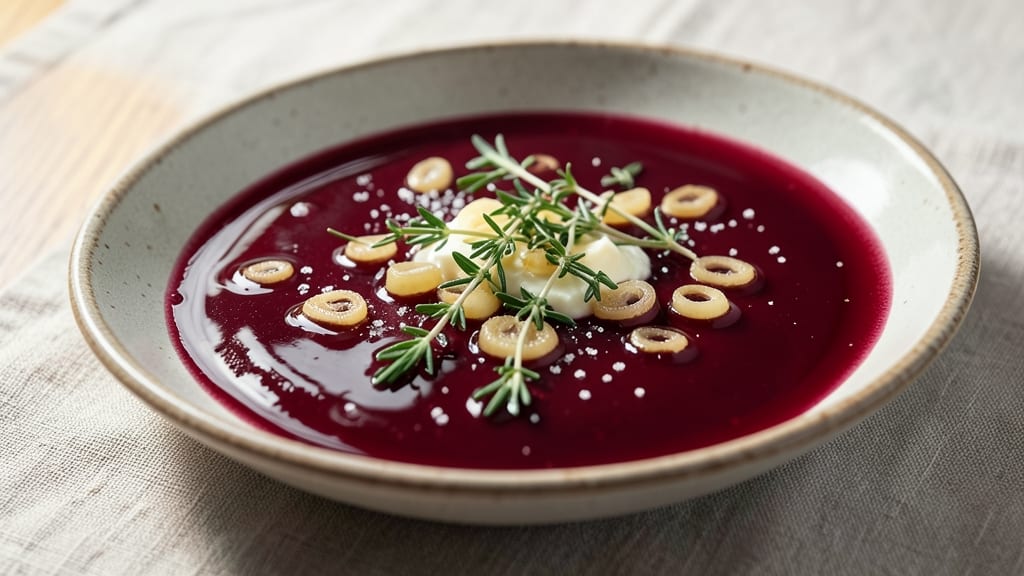
This red wine reduction sauce transforms simple weeknight meals into restaurant-worthy dishes with just a few ingredients and 20 minutes of simmering time.
Standing on a step stool in my grandmother's kitchen in Sicily, I learned how a splash of wine could elevate humble ingredients into something extraordinary—now I'm sharing that magic with you.
The key is patience and balance, letting the wine reduce until it's thick enough to coat the back of a spoon while keeping the flavors vibrant and rich.
What makes this sauce so special is how versatile it is—drizzle it over steak for a bold, umami-rich glaze, toss it with pasta for an instant flavor boost, or even use it to enhance desserts like chocolate mousse.
The secret to success lies in proper degreasing (if needed) and knowing when to stop reducing, which we'll cover step by step. You'll end up with a sauce that's deeper in flavor than anything store-bought, with just the right balance of sweetness, acidity, and umami.
By the time you're done, you'll have a small jar of liquid gold that turns ordinary meals into something truly special. The aroma alone will have everyone asking what you're cooking, and the first taste will make them want seconds.
This is the kind of sauce that makes you feel like a pro in the kitchen, even if you're just starting out. Let's get started—your taste buds will thank you.
Once you've mastered the basics, you can experiment with variations like adding shallots for extra depth, a splash of balsamic vinegar for brightness, or even a pinch of chocolate for dessert applications.
The possibilities are endless, but the foundation remains the same: great wine, proper technique, and a little patience. Here's everything you need to make it happen.
Ingredients for red wine reduction
Six core ingredients, one transformative sauce. Pantry staples meet Italian magic.
| Ingredient | Amount | Notes |
|---|---|---|
| Dry Red Wine 🍷 | 1 cup | Bold, dry variety like Cabernet Sauvignon |
| Shallots 🧅 | 2 whole | Minced, for aromatic base |
| Unsalted Butter 🧈 | ½ cup | Cold, cubed for finishing |
| Granulated Sugar 🍚 | 1 tbsp | Balances acidity in reduction |
| Vegetable Stock 💧 | ½ cup | Low-sodium preferred |
| Fresh Thyme Leaves 🌿 | ¼ cup | Or 1 tsp dried thyme |
| Fresh Rosemary 🌿 | 1 sprig | For herbal depth (optional) |
| Sea Salt 🧂 | ½ tsp | Fine grain, to taste |
| Black Peppercorns 🌶️ | ¼ tsp | Freshly cracked |
| Heavy Cream 🥛 | ¼ cup | Full-fat for richness (optional) |
The wine is non-negotiable here—Cabernet Sauvignon or Merlot (the bold, dry kind) works best, but whatever's open in your fridge will do. Trader Joe's and Costco often have affordable bottles that work perfectly. If you're using a cheaper wine, let it reduce longer to concentrate the flavors. The shallots? Fresh is best—they add a sweetness that dried powder can't match. I usually grab a small bag of organic shallots at Whole Foods when I'm making this, but regular grocery store shallots work fine too. Just make sure they're firm and free of sprouts.
No red wine? Substitute beef broth with a splash of balsamic vinegar—it won't be identical, but it'll get you close. Fresh thyme is ideal, but dried works at one-third the amount. Skip the rosemary if you don't have it—it's just for extra depth. The sugar might seem odd, but it's crucial for balancing the acidity of the wine. Brown sugar works too, though it'll darken the sauce slightly. Heavy cream is optional but adds a luxurious finish—half-and-half works in a pinch. If you're making this for pasta, you can skip it entirely.
This sauce keeps beautifully—5 days in the fridge sealed in a jar. For longer storage, freeze in ice cube trays and transfer to a bag. Thaw in the fridge overnight. The butter should be added at the very end—it'll melt into a silky finish. If you make extra, drizzle it over grilled chicken or roasted vegetables. It reheats well, so double up if you're feeding a crowd. The flavor actually improves after a day as the wine mellows.
Why You'll Love This Recipe
- I use this for everything: drizzling over steak, tossing with pasta, or even slathering on grilled fish. (Yes, even on a Tuesday night.) It reheats beautifully, so I make a double batch—one for immediate use, one to stash in the fridge for when I’m too tired to cook.
- Pantry Magic: I swear by this one—no fancy tools, just a saucepan and ingredients you already own. The shallots caramelize in minutes while the wine simmers down to a glossy, velvety sauce with zero fuss. Honestly, it’s the kind of recipe that makes me feel like a chef without the stress.
- Rich Without Effort: That first sip of reduced wine with butter swirled in? It’s like a little flavor bomb. The sugar balances the acidity, the stock deepens it, and the butter turns it luscious—no heavy cream needed. Between us, it’s the secret to making even simple roasted chicken feel restaurant-worthy.
- Weeknight to Dinner Party: I use this for everything: drizzling over steak, tossing with pasta, or even slathering on grilled fish. (Yes, even on a Tuesday night.) It reheats beautifully, so I make a double batch—one for immediate use, one to stash in the fridge for when I’m too tired to cook.
Step-by-step instructions for red wine reduction sauce
This rich, velvety sauce transforms simple ingredients into a luxurious glaze perfect for steak or pasta.
Sauté Shallots Until Translucent
Heat a medium saucepan over medium heat and add the 2 whole shallots, minced finely. Cook them undisturbed for about 3 minutes until they begin to soften and turn translucent. Stir occasionally to prevent burning—you're looking for sweet, caramelized aromatics, not browned bits.
Here's the thing—if your shallots start to color too quickly, reduce the heat slightly. They should cook gently, releasing their natural sweetness without turning bitter. Once they're translucent and fragrant, you're ready for the next step. This aromatic base builds the foundation for your sauce.
Deglaze with Red Wine and Reduce
Pour in the 1 cup dry red wine and increase the heat to medium-high. Let the wine bubble vigorously for 2-3 minutes, scraping up any browned bits from the bottom of the pan with a wooden spoon. This deglazing step captures all the flavor that would otherwise stick to your pan.
After the wine has simmered for 3-4 minutes, you'll notice it reduces by about half. The alcohol will cook off, leaving behind concentrated wine flavors and a syrupy texture. This is where the magic happens—don't rush this reduction or you'll miss out on that deep umami character.
Add Vegetable Stock and Sugar
Stir in the 0.5 cup vegetable stock and 1 tablespoon granulated sugar. Bring the mixture to a gentle simmer and let it cook uncovered for about 8-10 minutes. You're looking for a reduction that coats the back of a spoon—a thick, syrupy consistency that will glaze your proteins beautifully.
The sugar balances the acidity of the wine while adding a subtle caramel note. Keep stirring occasionally to prevent sticking, and watch the sauce reduce. When it's thickened to your desired consistency, it's time to add the herbs and finish with butter.
Incorporate Herbs and Finish with Butter
Add the 0.25 cup fresh thyme leaves, 1 sprig fresh rosemary (stripped), 0.5 teaspoon sea salt, and 0.25 teaspoon cracked black peppercorns to the simmering sauce. Let it cook for another 2-3 minutes until the herbs are fragrant and the flavors meld together.
Remove the pan from heat and stir in the 0.5 cup unsalted butter, cubed. Let it melt completely, creating a glossy, velvety finish. For an extra touch of richness, you can stir in the 0.25 cup heavy cream at this point—this is optional but adds luxurious body to the sauce.
Strain and Serve Immediately
Strain the sauce through a fine-mesh sieve into a clean saucepan to remove any herb stems or impurities. Taste and adjust the seasoning if needed—you might want to add a pinch more salt or a splash of wine to balance the flavors.
Keep the sauce warm over low heat until ready to serve. This reduction sauce is perfect for drizzling over grilled steak, pasta, or roasted vegetables. The sauce will thicken as it cools, so if it becomes too thick, simply whisk in a tablespoon of warm water or stock to reach your desired consistency.
Pro Tips For Making Red Wine Reduction
- Sweat Shallots Slow: I learned this the hard way—rushing the shallots turns them bitter. Take your time with low heat and a splash of water if they stick, letting them soften for 8-10 minutes until they’re translucent and golden. Patience here means no harsh flavors later.
- Deglaze Aggressively: That first splash of wine should sizzle hard—use a wooden spoon and scrape every last bit from the pan. I used to leave browned bits behind, and the reduction always tasted dull. Scrape like you’re cleaning a pot after Thanksgiving dinner.
- Sugar First, Not Last: Add the sugar before the wine—it dissolves faster and caramelizes slightly, balancing the acidity. After burning three batches trying to fix this later, I now stir it in early and let it bloom for 30 seconds. The difference is noticeable.
- Stock in Stages: Don’t dump all the stock at once—add half, reduce by half, then repeat. This keeps the wine’s depth instead of diluting it into a thin sauce. (Yes, it takes longer, but your future self will taste the difference.)
Common mistakes when making your red wine reduction
Skipping the Degrease
One of the biggest mistakes is forgetting to scrape up those browned bits during the deglazing step. Those bits pack serious flavor—what we call the fond in French cooking. I learned this the hard way when I rushed through that step and ended up with a sauce that tasted flat.
Always use a wooden spoon to scrape the bottom of the pan after adding the wine. Let it bubble for 2-3 minutes to fully release those caramelized flavors. 🍷
Rushing the Reduction
Patience is key with red wine reductions. I see people crank the heat too high and end up with a bitter, concentrated mess instead of a balanced sauce. The wine needs time to reduce slowly over medium heat, not high.
Aim for a simmer that gently bubbles—not a full boil. This slow reduction allows the alcohol to evaporate while concentrating the fruit and tannin flavors. Trust me, your sauce will thank you.
Ignoring Sugar Balance
The 1 tablespoon of sugar isn't just for sweetness—it's crucial for balancing the acidity of the wine. Without it, your sauce can taste harsh or overly tart.
I once made this reduction without sugar and was left with a sauce that needed a splash of cream just to make it palatable. If your wine is particularly dry, you might even want to add an extra ½ teaspoon of sugar. Taste as you go!
Using Low-Quality Wine
Don't skimp on the wine—it's the star ingredient! A cheap, fruity wine will give you a sauce that tastes like artificial grape juice. Instead, opt for a dry red like Cabernet Sauvignon or Merlot—the kind you'd actually drink.
I usually grab a bottle from Trader Joe's or a local Italian deli when making this sauce. The better the wine, the richer your reduction will be. If you're using a cheaper bottle, let it reduce longer to concentrate the flavors.
Adding Butter Too Early
The butter should always be added off the heat at the very end. Adding it too soon can cause the sauce to separate or turn greasy. I've seen home cooks make this mistake and end up with a sauce that looks like a sad, lumpy mess.
Let the sauce reduce completely, then remove it from heat before stirring in the cold butter cubes. They'll melt into a silky finish that makes the sauce look and taste luxurious. 🧈
Overcooking the Herbs
Fresh herbs like thyme and rosemary should only simmer for 2-3 minutes—any longer and they'll turn bitter. I once let mine cook too long and ended up with a sauce that tasted like herbal medicine.
Add the herbs just before finishing the sauce, then remove them immediately after straining. If you're using dried herbs, reduce the cooking time to 1 minute or less to avoid overpowering the sauce with bitterness.
Nutrition facts
Frequently asked questions
Can I use any red wine for this reduction?
For the best results, use a dry red wine like Cabernet Sauvignon or Merlot. These varieties have enough tannin and depth to create a rich, balanced sauce. If you only have a fruity or sweet wine, let it reduce longer to concentrate the flavors. The key is avoiding wines with added sugars or artificial flavors—these can make your sauce taste off-balance.
How do I know when the reduction is done?
The sauce is ready when it coats the back of a spoon smoothly—this usually takes about 15-20 minutes total simmering time. You'll notice the liquid reduces significantly, turning into a thick, syrupy consistency. If it's still too thin, keep simmering uncovered until it reaches your desired thickness. The aroma should be intense and complex, with notes of caramelized shallots and wine.
Can I make this sauce ahead of time?
This reduction actually tastes better after resting. Store it in an airtight container in the fridge for up to 5 days. The flavors meld and deepen over time. For longer storage, freeze it in ice cube trays and transfer to a bag. Thaw overnight in the fridge—never at room temperature. The texture may thicken further when cold, so thin with a splash of warm water or stock if needed.
What are the best ways to use this sauce?
This versatile sauce works beautifully drizzled over grilled steak or roasted lamb, tossed with pasta dishes like tagliatelle, or even spooned over mushroom risotto. For a dessert twist, reduce the sauce with a pinch of chocolate and use it as a glaze for chocolate mousse. The rich umami flavor pairs well with hearty proteins and earthy vegetables. Save some for later—it's that good!
Why did my sauce turn bitter?
Bitterness usually happens when the wine reduces too quickly over high heat or when herbs are overcooked. To fix this, stir in a small amount of sugar or honey to balance the flavors, or add a splash of fresh lemon juice to brighten it. Next time, reduce the sauce over medium heat and add herbs only at the very end. The sugar in the recipe helps prevent bitterness—don't skip it!