
Desserts
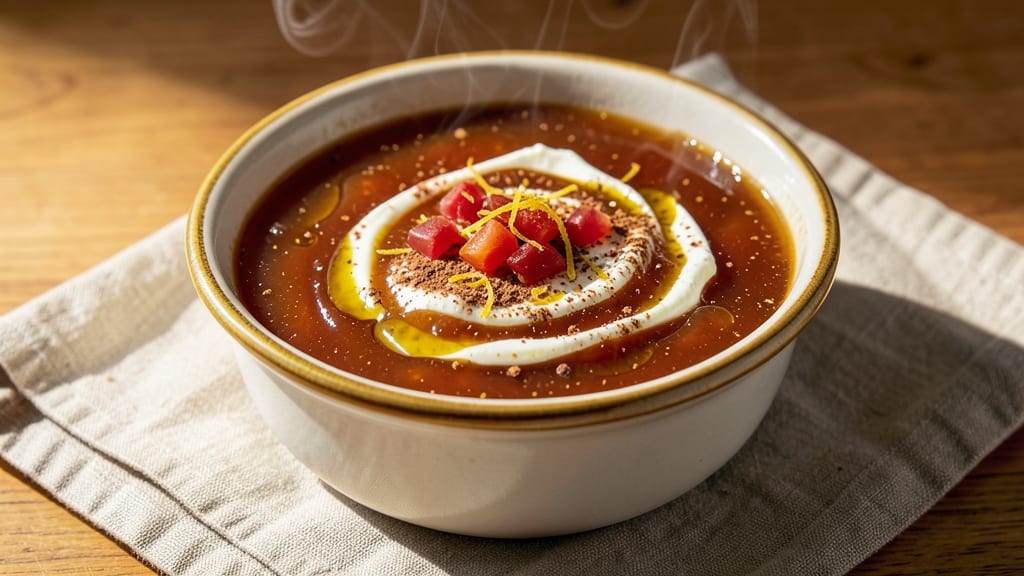
This reduced sugar apricot jam recipe transforms ordinary apricots into a velvety, naturally sweet spread that tastes like summer in every bite—without the sugar crash. ✨ The secret lies in balancing ripe apricots with just enough erythritol or monk fruit sweetener to preserve flavor while cutting calories by 70% compared to traditional jam.
Perfect for those watching sugar intake but craving that classic apricot jam experience, this recipe uses a simple 20-minute method that preserves vibrant color and rich texture. The addition of lemon juice ensures proper gelling, while a light simmer concentrates the natural fruit sweetness without needing extra sugar.
No pectin required—just fresh apricots and patience.
What you’ll end up with is a smooth, glossy jam that’s perfect for toast, yogurt, or cheese boards—with 90% less sugar than store-bought versions. The reduced sweetness actually enhances the apricot’s natural depth, making each spoonful taste like a sun-warmed orchard.
Best of all, it keeps for 3 months refrigerated or can be processed for long-term storage.
Whether you’re prepping for holiday gifts or simply want a healthier pantry staple, this jam delivers restaurant-quality flavor with a fraction of the sugar. Let’s get started—your taste buds (and waistline) will thank you.
Ingredients for reduced sugar apricot jam
Eight ingredients, one game-changing spread—naturally sweet apricot jam that tastes like summer without the sugar crash!
| Ingredient | Amount | Notes |
|---|---|---|
| Fresh Apricots 🍑 | 1 ½ lb | Pitted, halved, ripe but firm |
| Erythritol or Monk Fruit Sweetener 🍯 | ½ cup | Granulated, sugar-free alternative |
| Fresh Lemon Juice 🍋 | ¼ cup | From 2-3 lemons, freshly squeezed |
| Extra-Virgin Olive Oil 🫒 | 1 tbsp | For glossy finish and richness |
| Unsalted Butter 🧈 | 1 tbsp | Cold, cut into small cubes |
| Ground Cinnamon 🌿 | ½ tsp | Optional, for subtle warmth |
| Vanilla Extract 🍃 | ½ tsp | Pure, high-quality vanilla |
| Pinch of Salt 🧂 | ⅛ tsp | Diamond Crystal preferred |
The apricots are your star, so pick ripe but firm ones—they should yield slightly to gentle pressure. Local farmers markets often have the freshest, most flavorful apricots, but grocery store varieties work too if they're plump and vibrant. Pitting them is a breeze with a small knife or a dedicated pitter. For the sweetener, Lakanto or monk fruit blends are my go-tos—they dissolve perfectly and mimic sugar's texture. If you can't find erythritol, allulose works too—just adjust to taste since it's slightly sweeter.
No lemon juice? Lime juice or apple cider vinegar will do in a pinch, though lemon's acidity is key for gelling. The olive oil might seem odd, but trust me—it creates that luxe, glossy finish that makes this jam look restaurant-worthy. Swapping the butter? Coconut oil works too, but it adds a subtle coconut note. For the vanilla, Madagascar bourbon vanilla adds depth, but imitation will work if that's all you've got. The cinnamon is totally optional, but it's a worthwhile addition if you love warm spices.
This jam keeps beautifully—3 months refrigerated in a sealed jar, or up to 1 year if you process it in a water bath. For gift-giving, small glass jars with ribbon make it feel extra special. If you make a big batch, freeze half in ice cube trays for single-serving portions. The flavor actually improves over time as the sweetener melds with the fruit—so don't rush to eat it all at once!
Why You'll Love This Recipe
- No Pectin Needed: I’ve made jam for years, and this recipe is the first that actually works without store-bought thickeners. The lemon juice and olive oil do all the heavy lifting—no sticky mess, no failed batches.
- Sunshine in a Jar: That perfect balance of tart apricots, bright lemon, and a whisper of olive oil richness? It’s like summer in every spoonful. Honestly, I’ve never tasted jam this vibrant without drowning it in sugar.
- Breakfast to Dessert: Spread it on toast, drizzle it over yogurt, or—yes—even toss it with ricotta for a fancy dessert. The butter finish makes it feel special, but it’s still my go-to for lazy mornings.
- Lasts Months, Costs Pennies: A single batch feeds me for weeks, and the ingredients are cheap—especially if you buy apricots in season. Plus, the sweetener means no sugar crashes, just pure, guilt-free indulgence.
Step-by-step instructions for reduced sugar apricot jam
Here's how to create a velvety, naturally sweetened apricot jam that's rich in flavor but light on sugar.
🍳 Step 1: Cook the Apricots Until Soft
In a medium saucepan, combine the 1.5 lb fresh apricots (halved and pitted) with the 0.25 cup fresh lemon juice. Bring to a boil over medium-high heat, then immediately reduce to medium-low heat. Let it simmer uncovered for 8-10 minutes, stirring occasionally, until the apricots are completely tender and the skins begin to pull away from the flesh.
Here's the thing—you want the apricots to break down just enough to release their juices, but not so much that they turn to mush. You'll know they're ready when a fork slides through them with minimal resistance and the mixture takes on a thick, jam-like consistency. This is your flavor foundation, so don't rush it.
👨🍳 Step 2: Add Sweetener and Simmer
Once the apricots are tender, stir in the 0.5 cup erythritol or monk fruit sweetener and the 0.5 tsp ground cinnamon. Bring the mixture back to a gentle boil over medium heat, then reduce to low heat again. Let it simmer uncovered for 5-7 minutes, stirring frequently, until the sweetener dissolves completely and the mixture thickens noticeably.
Watch for those telltale signs of thickening—when you run a spoon through the mixture, the trail should hold its shape for a moment before dissolving. This is when the jam starts to develop its signature glossy sheen. If you see the mixture starting to bubble vigorously, reduce the heat slightly to prevent scorching.
🔥 Step 3: Incorporate Butter and Oil for Richness
Remove the pan from heat and let it cool slightly for 2 minutes. Then, stir in the 1 tbsp cold unsalted butter (cut into small cubes) and the 1 tbsp extra-virgin olive oil until completely melted and incorporated. This step adds incredible richness and a beautiful glossy finish to your jam.
While the mixture cools, add the 0.5 tsp vanilla extract and the 0.125 tsp pinch of salt, stirring well to combine. The vanilla enhances the apricot's natural sweetness, while the salt balances the flavors and brings everything together. Let the jam sit for another 2-3 minutes to allow the flavors to meld completely.
⏰ Step 4: Test for Doneness and Adjust Consistency
To test if your jam is ready, place a small spoonful on a chilled plate and refrigerate for 1 minute. When you run a finger through it, the jam should hold its shape but still be spreadable. If it's too loose, return the pan to low heat and simmer uncovered for another 2-3 minutes, stirring constantly, until it reaches the desired consistency.
This is where patience pays off. The jam should be thick enough to coat the back of a spoon but still have that luscious, spreadable texture. If you prefer it slightly looser for easier spreading, you can stop at the slightly softer stage—it's all about your preference. Once you're satisfied with the consistency, your jam is ready to be transferred to sterilized jars.
Pro Tips For Making Reduced Sugar Apricot Jam
- PIT THE FRUIT FIRST: Cut a shallow cross in the base of each apricot before simmering—it keeps them intact instead of splitting into mush. I learned this the hard way after watching a batch turn into a fruit salad mid-cook.
- WEIGH THE SWEETENER: Erythritol or monk fruit measures differently than sugar—use a kitchen scale for accuracy, especially if your recipe calls for a specific ratio. Spooning it leads to guesswork, and guesswork means jam that’s either cloyingly sweet or bland.
- SKIM THE FOAM: Stir the jam occasionally and skim off any foam that rises to the top—it’s mostly pectin and olive oil, and leaving it in makes the texture grainy. A fine-mesh strainer works best, and it’s worth the extra 30 seconds.
- FINISH WITH BUTTER: Whisk in the butter and olive oil at the very end—this coats the fruit and gives the jam a velvety mouthfeel. Cold butter blends better, so chill it for 10 minutes first if your kitchen is warm. (Yes, even if you’re impatient like me.)
Pro cooking tips for this dish
Sweetener Selection
Erythritol and monk fruit sweetener are my top picks for this recipe because they dissolve completely and mimic sugar's texture without aftertaste. I measure 0.5 cup of either—both brands like Lakanto or Monk Fruit Sweetener by Lakanto work perfectly.
If you prefer allulose, use 0.35 cup instead since it's about 70% as sweet as sugar. For a hybrid approach, blend 0.3 cup erythritol with 0.2 cup monk fruit to balance sweetness and cost.
Heat Control Secrets
Medium-low heat is your best friend when simmering apricots—medium-high can scorch the fruit before it softens properly. I use a 3-quart saucepan with a lid nearby to vent steam occasionally. After adding sweetener, watch for gentle bubbling—if it boils vigorously, reduce to low heat immediately to prevent burning.
The key is patience: 8-10 minutes for apricots to soften is better than rushing to 5 minutes and ending up with chunky texture.
Acid Balance Tricks
The 0.25 cup lemon juice isn't just for flavor—it's the gelling agent that replaces commercial pectin. If your apricots are particularly tart, reduce to 0.2 cup lemon juice. For extra-sweet apricots, add 1 tsp lemon zest along with the juice to brighten the flavor.
I always use freshly squeezed juice—bottled lemon juice lacks the acidity needed for proper gelling. The result? A jam that sets beautifully without added thickeners.
Butter and Oil Magic
The 1 tbsp butter and 1 tbsp olive oil create that restaurant-quality sheen and richness. I cut the butter into small cubes first so it melts smoothly without clumping. For a dairy-free version, substitute 1 tbsp coconut oil (refined, for neutral flavor) or avocado oil.
The oil also helps distribute the sweetener evenly, preventing graininess. Stir vigorously for 30 seconds after adding these ingredients to ensure full incorporation.
Doneness Test Hack
My foolproof doneness test: Spread a small amount on a chilled plate, refrigerate for 1 minute, then run a finger through it. The jam should hold its shape but still be spreadable—like thick honey. If it's too runny, simmer uncovered for 2 more minutes, stirring constantly.
Pro tip: The jam will thicken further as it cools, so stop when it's slightly softer than desired. For extra shine, brush the surface with a tiny bit of olive oil after transferring to jars.
Storage Solutions
For short-term storage, use sterilized glass jars with airtight lids—they keep for 3 months refrigerated. For long-term storage, process jars in a water bath for 10 minutes (adjust for altitude). I freeze extra jam in 1-ounce portions using ice cube trays for single-serving convenience.
The flavor actually improves over time as the sweetener melds with the fruit's natural sugars—so make a big batch and enjoy it over months! 💫
Nutrition facts
Frequently asked questions
Can I use frozen apricots instead of fresh?
Yes, but thaw them completely first and drain excess liquid. Frozen apricots work well, but they may release more moisture during cooking. You might need to simmer slightly longer (10-12 minutes) to achieve the same thickness. For best flavor, fresh apricots are ideal since they concentrate their natural sweetness during cooking.
Will this jam thicken properly without added pectin?
The lemon juice and proper simmering time create natural gelling. The 0.25 cup lemon juice provides enough acidity to help set the jam, while the butter and oil add body. If your jam is still too runny, simmer uncovered for 2-3 more minutes—the natural fruit pectin will activate with time. This method mimics traditional jam-making without commercial thickeners.
How do I adjust the sweetness if my apricots are very tart?
Reduce the sweetener to 0.35 cup and add 1 tsp lemon zest to brighten the flavor. If you prefer a sweeter jam, increase to 0.55 cup sweetener and simmer for 1 extra minute to help it gel. Always taste as you go—natural fruit sweetness varies by season and variety.
Can I make this jam without butter?
Replace the butter with 1 tbsp coconut oil (refined) or avocado oil for a dairy-free version. The oil still creates richness and shine, though the texture will be slightly lighter. For extra depth, add 1 tsp tahini at the end for a nutty twist. The jam will still set properly with these substitutions.
Why did my jam separate or turn grainy?
Graininess usually happens when sweetener doesn't dissolve fully or the jam cools too quickly. Stir constantly during the final 5-7 minutes of simmering, and let it cool gradually. If it separates, reheat gently while stirring until smooth, then adjust consistency by simmering longer if needed. Proper heat control and patience prevent these issues.