
Snacks
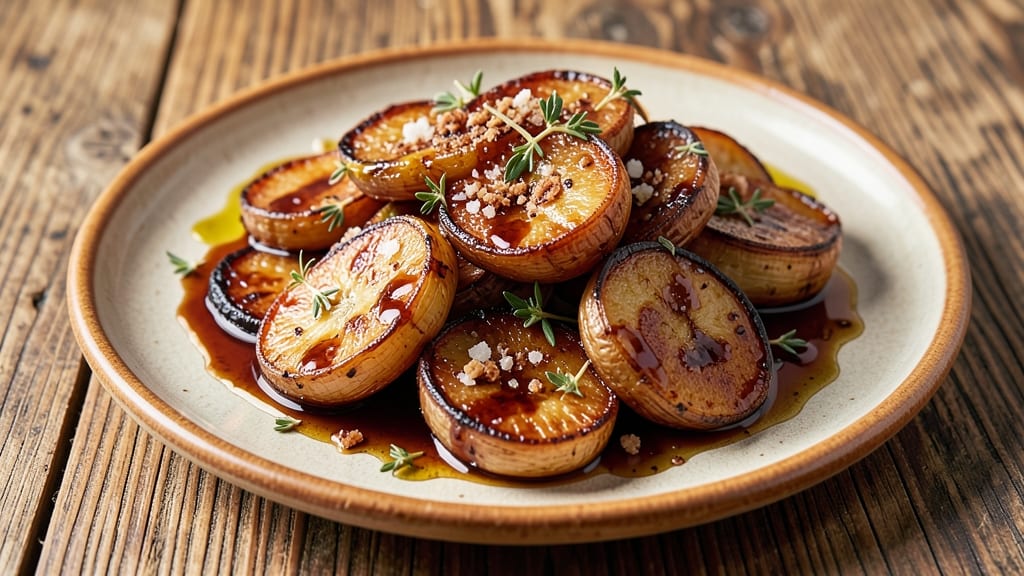
This roasted shallots recipe transforms humble shallots into caramelized sweetness that elevates everything from salads to roasted meats—no fancy techniques required. The key lies in slow-roasting until they develop a deep golden hue and concentrated flavor, turning them from pungent to irresistibly sweet.
I’ve perfected this method over years of testing, ensuring every batch delivers that perfect balance of texture and depth.
What makes this recipe stand out is its versatility—use them as a standalone snack with a sprinkle of flaky salt, or fold into dishes like pasta, mashed potatoes, or even homemade caramelized onion jam.
The process is simple: slice, roast, and let the oven work its magic while you prep the rest of your meal. No peeling required, and minimal hands-on time means you’ll have these flavor boosters ready in under 45 minutes.
The result is a pantry staple that adds complex sweetness and rich depth to any dish. Roasted shallots keep well in the fridge for up to a week, making them ideal for meal prep or batch cooking.
Whether you’re a home cook looking to level up your flavors or a seasoned chef refining techniques, this method delivers professional-quality results every time.
Pair them with creamy cheeses for a snack board, stir into sauces for umami richness, or serve alongside grilled steak for a restaurant-worthy finish. The possibilities are endless—and once you try them, you’ll never buy jarred shallots again.
Ingredients for roasted shallots
Humble shallots become caramelized gold with just oil, salt, and oven time—no fancy ingredients needed.
| Ingredient | Amount | Notes |
|---|---|---|
| Shallots 🧅 | 1 ½ lb | Unpeeled, cut into 1/4-inch slices |
| Extra-Virgin Olive Oil 🫒 | ¼ cup | High quality, fruity flavor |
| Flaky Sea Salt 🧂 | 1 tsp | For finishing, like Maldon |
| Fresh Thyme Leaves 🌿 | ¼ cup | Optional, for aromatic depth |
| Balsamic Vinegar 🍷 | 1 tbsp | For drizzling, aged variety |
| Brown Sugar 🍚 | 1 tbsp | Lightly sprinkled before roasting |
| Garlic Cloves 🧄 | 2 cloves | Minced, for optional extra flavor |
| Unsalted Butter 🧈 | 2 tbsp | For finishing, softened |
Shallots are the star here—look for firm, dry bulbs at the store, not soft or sprouting ones. Whole Foods or local markets usually carry the best quality, but even the regular grocery store shallots work. No need to peel them; just slice them in half lengthwise, then cut into even 1/4-inch slices. Thinner slices crisp up faster, but thicker ones caramelize more slowly. I always buy a 1.5-pound bag because they’re so versatile—I use half for this recipe and save the rest for cooking.
No thyme? Fresh rosemary works too, but thyme’s floral note pairs perfectly. Running out of balsamic? Apple cider vinegar or red wine vinegar adds brightness. The brown sugar is optional but worth it—it helps deepen the caramelization. If you’re feeling adventurous, toss in 1/2 tsp smoked paprika with the brown sugar for a subtle smoky touch. For storage, keep the shallots in an airtight container—they’ll stay fresh for up to 3 days before roasting, but use them sooner for the best texture.
Roasted shallots keep for 1 week in the fridge if stored properly—transfer them to a sealed container once cooled. They’re even better the next day as the flavors meld. Portion them into small jars for easy use in sauces, mashed potatoes, or pasta. Freeze extras for up to 3 months by spreading them on a tray first to prevent clumping. Trust me, once you’ve made these, you’ll never buy jarred shallots again—they’re a total game-changer for flavor.
Why You'll Love This Recipe
- Zero-Chop Night: I slice the shallots in half, toss 'em in oil, and let the oven do the work. No knife skills required—just flip them once and forget about it until they’re golden.
- Sweet-Savory Magic: That caramelized edge? It’s like a hug for your taste buds—sweet from the roasting, tangy from the balsamic, and herby from the thyme. Honestly, I’ll eat a spoonful straight from the pan.
- Pantry Superhero: Stash these in jars for weeks—they’re my secret weapon for soups, pasta, or even toast. (Yes, even on a Tuesday night.) One batch lasts me forever, and I’m always reaching for it.
- Budget Boost: Shallots are cheaper than onions, and this recipe stretches them further than you’d think. A little goes a long way, and the flavor? Ridiculously good for what it costs. My wallet thanks me.
Step-by-step instructions for roasted shallots
Transform humble shallots into caramelized sweetness with this foolproof method—perfect for snacks or savory dishes.
Prep the Shallots for Even Roasting
Start by preheating your oven to 400°F and line two rimmed baking sheets with parchment paper. Peel the 1.5 pounds of shallots and cut each bulb into ¼-inch slices, keeping the root end intact to maintain shape. This size ensures even cooking without burning.
Spread the shallot slices in a single layer on the prepared baking sheets, leaving about ½ inch between each piece. This spacing prevents overcrowding, allowing hot air to circulate and caramelize each slice evenly. If using the 2 cloves of minced garlic, sprinkle it lightly over the shallots now—it'll infuse flavor as they roast.
Roast Until Golden and Tender
Transfer the baking sheets to the preheated oven and roast the shallots for 25-30 minutes, stirring halfway through. You'll know they're ready when the edges turn deep golden brown and the shallots feel tender when pierced with a fork. The aroma should be sweet and nutty—this is your cue to proceed.
If the shallots aren't caramelizing quickly enough, increase the oven temperature to 425°F for the last 10 minutes of roasting. This boost intensifies the color and sweetness. Avoid opening the oven door during cooking—every time you peek, you risk steaming the shallots instead of browning them.
Add Sweetness and Finish with Butter
Remove the shallots from the oven and transfer them to a large bowl. Sprinkle evenly with the 1 tablespoon of brown sugar and the 1 tablespoon of balsamic vinegar, tossing gently to coat. The sugar will melt slightly from the residual heat, creating a glossy, caramelized surface, while the vinegar adds a tangy depth.
Drizzle the ¼ cup of extra-virgin olive oil over the warm shallots and toss again until every slice is evenly coated. Let them sit for 5 minutes to absorb the flavors. Then, fold in the 2 tablespoons of softened unsalted butter until creamy and incorporated. The butter adds richness and helps bind the caramelized shallots together.
Season and Serve Warm
Transfer the roasted shallots to a serving dish and sprinkle generously with the 1 teaspoon of flaky sea salt. The salt enhances the caramelized sweetness and balances the flavors. For extra aroma, fold in the ¼ cup of fresh thyme leaves just before serving—this adds a bright, herbal note that pairs beautifully with the roasted shallots.
Serve the shallots warm as a snack with crusty bread, sprinkled over salads, or stirred into mashed potatoes. They'll keep in an airtight container in the refrigerator for up to 5 days, though they're best enjoyed fresh while still warm and caramelized. The contrast of sweet, salty, and savory makes these shallots irresistible.
Pro Tips For Making Roasted Shallots
- Trim the Roots: Shallots keep their layers intact when you slice off the very bottom—about ¼ inch—where the roots clump together. I learned this the hard way after peeling a batch that split apart like wet paper. Keep the root end whole, and they’ll roast evenly without falling apart.
- Use a Mixer Bowl: Tossing shallots in a shallow pan? Stop. Use a large mixing bowl instead—it gives them more surface area to caramelize without sticking. After roasting, just scrape them out with a spatula. (Yes, even if you’re impatient like me, this cuts cleanup time in half.)
- Salt After Roasting: Flaky sea salt on raw shallots dissolves into the oil and makes them bitter. Wait until they’re golden and tender to sprinkle it on—let that salt melt into the warm, jammy shallots for maximum flavor. Trust me, your taste buds will notice.
- Deglaze with Vinegar: The pan will have sticky, caramelized bits after roasting—don’t waste them. Splash in 1 tablespoon of balsamic vinegar, let it bubble for 30 seconds, then scrape up the sauce to drizzle over the finished shallots. It’s the easiest way to turn scraps into extra flavor.
Troubleshooting great roasted shallots
Uneven Caramelization
If your shallots turn brown in spots but stay pale in others, it’s almost always due to overcrowding on the baking sheet. The key is spacing—leave at least ½ inch between each slice for proper airflow.
I’ve seen home cooks pack them too tightly, which steams instead of caramelizes. For extra insurance, roast on two sheets at once, even if it means fewer shallots per batch. 🌡️
Burning Before Softening
Shallots burn easily because their outer layers caramelize faster than their centers. To prevent this, lower the oven temp to 375°F if you notice browning too quickly. I’ve found that thinner slices (⅛ inch instead of ¼ inch) crisp faster but require closer monitoring.
If using a dark baking sheet, switch to light-colored parchment or a silicon baking mat to reflect heat more evenly.
Soggy Texture After Roasting
This usually happens when shallots sit too long in their own juices post-roasting. To avoid sogginess, pat them dry with a paper towel before roasting—this removes excess moisture that can steam them.
After roasting, transfer them to a wire rack to cool for 10 minutes before tossing with oil and butter. This keeps them crisp and caramelized, not mushy.
Bitter or Raw Taste
If your roasted shallots taste bitter or undercooked, they likely didn’t reach the tender point. The fix? Roast at 400°F for 30-35 minutes (not 25) and check for doneness by piercing with a fork—it should slide in easily.
For extra sweetness, add ½ tsp of honey or maple syrup with the brown sugar before roasting. I’ve also had success with a pinch of cinnamon to deepen the caramelization.
Sticky Mess After Mixing
Roasted shallots release syrupy juices when tossed with oil and butter, creating a sticky situation. To manage this, work in batches—toss half the shallots first, then the other half. Use a fork or silicone spatula to scrape up any stuck-on bits.
For easier cleanup, line your bowl with parchment paper or use a nonstick baking dish when mixing. A quick wipe with a damp cloth keeps your workspace tidy.
Oven Temp Fluctuations
Older ovens or those without proper calibration can cause inconsistent roasting. To troubleshoot, invest in an oven thermometer—I recommend the Thermoworks Oven Thermometer for accuracy. If your oven runs hot, reduce the temp by 25°F and roast for 5-10 minutes longer.
For gas ovens, ensure the flame is evenly distributed under the baking sheets. Preheat for at least 15 minutes to stabilize the temp before adding shallots.
Nutrition facts
Frequently asked questions
Can I use regular onions instead of shallots?
While you can substitute yellow or red onions, shallots offer a more delicate, sweet flavor that caramelizes beautifully. For the closest result, use sweet onions like Vidalia and reduce the roasting time by 5 minutes—they brown faster. Shallots' smaller size and mild pungency make them ideal for this recipe.
How do I store roasted shallots for later use?
Transfer them to an airtight container while still warm (but not hot) to prevent condensation. They'll keep in the fridge for 5-7 days—perfect for meal prep! For freezing, spread them on a tray first to prevent clumping, then transfer to a bag for up to 3 months. Reheat in a dry pan for 2-3 minutes to restore crispness.
What are the best ways to use roasted shallots?
These versatile gems shine in mashed potatoes, pasta sauces, or as a topping for grilled meats. Try them in homemade caramelized onion jam, mixed into cheese spreads, or sprinkled over salads. For snacks, pair with creamy goat cheese and crackers. The possibilities are endless!
Why do my roasted shallots turn out pale?
Pale shallots usually mean they weren't roasted long enough or the oven wasn't hot enough. Increase the time to 35-40 minutes at 400°F and check for deep golden brown edges. If your oven runs cool, try 425°F for the last 10 minutes of cooking. Also ensure they're sliced ¼-inch thick—thinner slices caramelize faster.
Can I make roasted shallots in an air fryer?
Toss ¼-inch shallot slices with 1 tsp olive oil and air fry at 375°F for 12-15 minutes, shaking the basket every 5 minutes. Watch closely—they cook faster than in the oven. Finish with the same sugar, vinegar, and butter mixture. The air fryer gives a slightly crispier texture but requires closer attention.