
Side Dishes
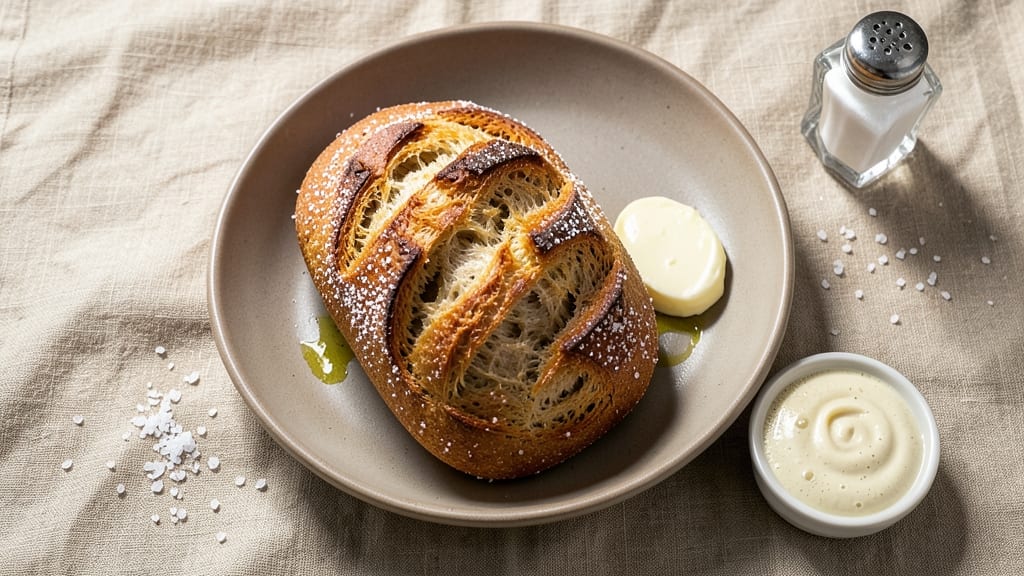
Recreating Schlotzsky's signature sourdough bread at home delivers that perfect balance of crusty exterior and tangy interior that makes every sandwich unforgettable. The secret lies in a precise fermentation process that develops complex flavors over time—something I perfected after multiple failed attempts at home.
This isn't just bread; it's the foundation of legendary deli sandwiches, and mastering it transforms your kitchen into a mini bakery.
The process begins with a 24-hour starter that captures the signature tang, followed by careful kneading to develop gluten for that signature chew. Proofing at controlled temperatures ensures the loaf rises properly without collapsing, while baking at high heat creates that coveted crispy crust.
Every step matters—skimp on fermentation, and you lose flavor; overproof, and the structure falls apart.
What you'll end up with is a golden-brown loaf with a crackly crust that shatters when sliced, revealing a tender crumb with just the right amount of sourness. The aroma alone will have your kitchen smelling like a deli counter, and the flavor?
Unmistakably Schlotzsky's—bold enough to stand up to smoked meats and sharp cheeses. This is bread that elevates sandwiches from ordinary to legendary.
Perfect for sandwich lovers who crave that authentic deli experience at home, this recipe delivers professional-quality results with simple techniques. Let's get started on creating your own signature loaf.
Ingredients for schlotzsky's sourdough bread
Four cups flour, a lively starter, and patience create Schlotzsky's iconic tangy loaf at home.
| Ingredient | Amount | Notes |
|---|---|---|
| Active Sourdough Starter 🍞 | ½ cup | 24-hour fermented, bubbly |
| All-Purpose Flour 🌾 | 4 cups | High-protein for better gluten |
| Unsalted Butter 🧈 | ¼ cup | Cold, cubed for texture |
| Granulated Sugar 🍚 | ½ tsp | Enhances crust browning |
| Diamond Crystal Kosher Salt 🧂 | 1 ½ tsp | Fine grain preferred |
| Instant Yeast 🍞 | ¼ tsp | For reliable rise |
| Water 💧 | 1 ½ cups | Room temperature |
| Cornmeal 🌽 | ¼ cup | For dusting loaf pan |
| Ice Water ❄️ | ½ cup | For final shaping |
The sourdough starter is non-negotiable—it carries that signature tang. King Arthur or Bob's Red Mill flours work best for gluten development. For the starter, feed equal parts flour and water daily for three days before using. The butter should be cold and cubed—this creates pockets of richness in the crumb. Plugrá or Land O'Lakes unsalted butter melts beautifully. If your kitchen runs hot, chill the dough for 30 minutes before shaping to prevent overproofing.
No active starter? Substitute 0.25 cup yogurt plus 0.5 tsp vinegar for tang, but expect milder flavor. Running short on butter? Olive oil at half the amount works, though texture differs slightly. The sugar can be swapped for honey (reduce by 20%)—just remember honey inhibits gluten formation slightly. For salt, Diamond Crystal kosher dissolves cleanly; if you've got table salt, use half the amount. The yeast is crucial—Fresh yeast needs rehydrating, while instant mixes directly into flour.
This dough keeps 2 days in the fridge, wrapped tightly. For longer storage, freeze shaped loaves (unbaked) for up to 3 months. Thaw overnight in the fridge before baking. The baked loaf stays fresh 5 days wrapped in a cotton towel—never plastic, which traps moisture. Slice with a serrated knife for clean cuts. Leftovers? Toast them—Schlotzsky's-style sourdough makes the best French toast you'll ever have.
Why You'll Love This Recipe
- No-Knead Magic: I swear by this—just mix, rest, and bake. The sourdough starter does all the work while I’m scrolling or watching TV. Honestly, the dough comes together in five minutes, and the tangy depth builds overnight.
- Butter-Sweet Crust: That crispy, buttery crust with a hint of sugar? It’s the kind of bread that makes you pause mid-bite. The kosher salt balances the richness, and the butter melts into flaky layers that’ll have you reaching for seconds.
- Weeknight Wonder: Perfect for sandwiches, toast, or French toast—no fancy prep required. I keep a loaf in the freezer for lazy mornings, and it thaws in minutes. Even my picky husband grabs it over store-bought.
- Budget-Friendly Staple: Uses pantry basics (flour, butter, sugar) and stretches into multiple meals. A single batch feeds my family for days, and the sourdough starter lasts forever. Between us, this is my secret for saving money without sacrificing flavor.
Step-by-step instructions for Schlotzsky's sourdough bread recipe
This method delivers a Schlotzsky's-inspired loaf with a crisp crust and tangy interior—every detail matters for that iconic flavor.
Mix the Dough for Optimal Fermentation
In a large mixing bowl, combine the 0.5 cup active sourdough starter, 1.5 cups water, 0.25 tsp instant yeast, and 0.5 tsp granulated sugar. Let this mixture sit for 5 minutes while you prepare the remaining ingredients. This initial hydration kickstarts fermentation and ensures a lively rise.
Next, add the 4 cups all-purpose flour and 1.5 tsp diamond crystal kosher salt to the bowl. Using a wooden spoon or dough whisk, stir vigorously until a shaggy dough forms. The dough should look wet and sticky—this is normal for sourdough. Cover the bowl with a damp kitchen towel and let it rest for 1 hour at room temperature. This autolyse phase allows the flour to fully hydrate and develop gluten.
Develop Gluten and Incorporate Butter
After the 1-hour rest, the dough should be more cohesive and slightly less sticky. Using your hands or a dough scraper, gently fold the dough over itself 8-10 times to strengthen the gluten structure. This step is critical for achieving that Schlotzsky's signature chewiness.
Now, add the 0.25 cup cold, cubed unsalted butter to the bowl. Using your hands, work the butter into the dough until fully incorporated. The butter should melt slightly but still retain some texture—this creates pockets of flavor and moisture in the final loaf. If the dough feels too stiff, add 1 tablespoon of water at a time until it becomes pliable again. Cover the bowl and let the dough rest for another 30 minutes to relax.
Shape and Proof for Maximum Rise
Lightly dust a clean surface with 0.25 cup cornmeal to prevent sticking. Turn the dough out onto the surface and gently shape it into a 12-inch round loaf by pulling the edges toward the center. The dough should be smooth but still slightly tacky—this ensures a tight, even rise. Place the shaped loaf seam-side up in a greased 9-inch round cake pan or a well-oiled 9-inch cast-iron skillet. Cover loosely with plastic wrap and let it proof at room temperature for 1.5 to 2 hours, or until it has risen by about 50% and feels springy to the touch.
For the final proof, prepare an ice bath by filling a bowl with 0.5 cup ice water. Once the dough has risen sufficiently, carefully transfer it to a parchment-lined baking sheet. Dip your fingers into the ice water and gently wet the surface of the dough. This creates steam during baking, which promotes an oven spring and crisp crust. Let the dough rest for 10 minutes before baking.
Bake for a Crisp Crust and Tangy Crumb
Preheat your oven to 425°F with a baking stone or inverted baking sheet on the middle rack. This ensures even heat distribution for a perfect bake. Once preheated, place the dough on the baking stone or sheet and bake for 25 minutes, rotating the pan halfway through for even browning. The bread is done when the crust is deep golden brown and sounds hollow when tapped on the bottom.
Remove the loaf from the oven and let it cool on a wire rack for at least 1 hour before slicing. This resting period allows the crumb to set and the flavors to fully develop. For the Schlotzsky's touch, brush the warm loaf with a bit of melted butter while still hot—this enhances the crust's crispness and adds a subtle richness. Store any leftovers wrapped in a bread bag at room temperature for up to 3 days or freeze for longer storage.
Pro Tips For Making Schlotzsky'S Sourdough Bread
- Weigh Your Flour: Skip the cups—this dough is fussy about hydration. I learned this the hard way when my loaf turned out dense instead of light. Use a kitchen scale for the all-purpose flour; 1 cup packed equals about 140 grams. The sourdough starter’s wild yeast reacts differently to volume measurements, so precision here makes a real difference.
- Chill the Dough: Resist the urge to rush—let that dough rest overnight in the fridge. Cold slows fermentation, giving the sourdough starter time to mellow out and develop flavor. Pull it out 1–2 hours before shaping, and you’ll avoid a gummy, underproofed mess. (Yes, even if you’re impatient like me.)
- Salt the Butter: Diamond Crystal kosher salt is finicky—don’t just eyeball it. For every 8 tablespoons of unsalted butter, add ½ teaspoon of salt. I used to skip this, and the bread always tasted bland. The butter absorbs salt better when mixed in early, so don’t wait until the end.
- Steam the Pan: This isn’t just for show—your loaf needs moisture to rise properly. Fill a baking sheet with boiling water and place it on the lower rack while preheating. The steam guarantees a crisp crust without burning the top. (Your future self will thank you when you’re not scraping dried bits off the loaf.)
Wine and beer pairings for this recipe
Crisp White Wine
Schlotzsky's sourdough has a bright, tangy profile that pairs beautifully with dry white wines like Sauvignon Blanc or Pinot Grigio from Italy. The acidity in these wines mirrors the bread's natural sourness, creating a refreshing contrast.
I love a New Zealand Sauvignon Blanc—its citrus notes and herbal undertones complement the bread's crusty exterior and soft interior. 🍷
Crisp Lager Beer
For beer lovers, a crisp American lager like Bud Light Platinum or Miller Genuine Draft cuts through the richness of the sourdough without overpowering its flavor. The light, clean finish balances the bread's tang, making it perfect for sandwiches.
If you prefer something with a bit more character, try a Belgian witbier like Hoegaarden—its coriander and citrus notes add a fun twist. 🍺
Rosé for Versatility
A dry rosé from Provence or California works wonders with this bread, especially when serving it alongside deli meats or cheeses. The strawberry and citrus notes in rosé enhance the sourdough's tang while adding a touch of sweetness.
I recommend a chilled rosé at 50-55°F—it’s refreshing and pairs effortlessly with the bread's crispy crust. 🍹
Malty Amber Ale
If you're serving this sourdough with smoked meats or strong cheeses, an amber ale like Fat Tire or Leinenkugel's Summer Shandy adds a malty backbone that stands up to the bread's bold flavor.
The caramel and biscuit notes in these beers complement the sourdough's richness, making every bite even more satisfying. 🍻
Sparkling Wine for Celebrations
For special occasions, a dry sparkling wine like Prosecco or Champagne elevates the experience. The bubbles cleanse your palate between bites, while the acidity enhances the bread's tang. I love pairing this with Schlotzsky's-style smoked turkey sandwiches—it feels like a mini celebration every time. ✨
Non-Alcoholic Options
Don’t drink alcohol? No problem! A sparkling apple cider like Martinelli’s or a ginger beer like Brew Dr. Brown’s adds a fizzy contrast that still enhances the sourdough's flavor. For something richer, try a chilled hibiscus iced tea—its tartness mirrors the bread's tang perfectly. 🍎
Nutrition facts
Frequently asked questions
How do I know my sourdough starter is ready for Schlotzsky's bread?
Your starter should be bubbly, doubled in size, and have a tangy aroma after 24 hours of feeding (equal parts flour and water). It should float in water—a classic test for active fermentation. If it's sluggish, feed it again and wait another 12 hours.
Can I make this bread without a sourdough starter?
Yes! Mix 0.25 cup plain yogurt with 0.5 tsp vinegar to mimic the tang, but expect a milder flavor. For best results, use 0.5 tsp baking soda instead of yeast to help with rise. The texture will be slightly denser, but still delicious for sandwiches.
Why did my Schlotzsky's loaf turn out dense instead of crusty?
Overproofing or underbaking are common culprits. Ensure your dough rises 50% (not fully) and bake until the crust is deep golden brown and sounds hollow when tapped. For extra crispness, try baking on a preheated stone or cast-iron skillet.
How long should I let the bread cool before slicing?
Wait at least 1 hour—this lets the crumb set and prevents a gummy texture. For the crispest slices, let it cool completely (2-3 hours) before cutting. Use a serrated knife and angle it slightly for clean slices.
Can I shape this dough into a baguette instead of a round loaf?
Roll the dough into a 12-inch log, seal the seam, and proof on a baking sheet. Brush with water before baking for extra crispness. Bake at 425°F for 20-25 minutes, rotating the pan for even browning. The tangy flavor works perfectly in a baguette too!