
Main Courses
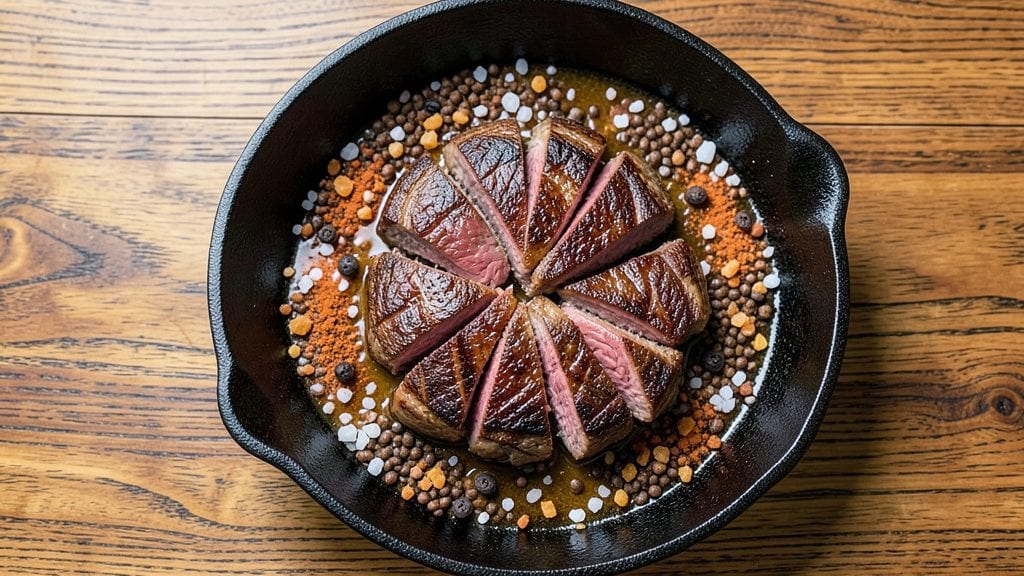
Transforming tough shoulder clod steak into a restaurant-worthy centerpiece takes the right technique—and this smoky dry-rubbed method delivers every time. I learned the hard way that shoulder clod demands patience, but the results are worth it: tender, flavorful slices that hold up to any cut.
The secret lies in a precise balance of salt, smoke, and slow cooking to break down those tough muscle fibers without drying out the meat.
This recipe starts with a bold dry rub that penetrates deeply during the cooking process, creating a crusty bark while keeping the interior juicy. Unlike leaner cuts, shoulder clod benefits from a longer cook—whether you choose to braise it low and slow or sear it first for extra depth.
My version includes a blend of coffee, smoked paprika, and brown sugar that caramelizes beautifully, adding layers of complexity that transform this budget-friendly cut into something special.
By the time you're done, you'll have perfectly tender slices that practically melt in your mouth, with a smoky, slightly sweet crust that adds visual appeal and bold flavor. The key is letting the steak rest after cooking—this crucial step ensures every bite stays juicy and cohesive.
Serve with classic sides like creamy mashed potatoes or roasted root vegetables to complete the meal.
Whether you're feeding a crowd or treating yourself to a steakhouse experience at home, this method turns shoulder clod into a showstopper. The beauty of this recipe is its versatility—it works equally well for weeknight dinners or special occasions, proving that great steak doesn't always require a high price tag.
Ingredients for shoulder clod steak
Six bold ingredients transform tough shoulder clod into a restaurant-worthy steakhouse centerpiece.
| Ingredient | Amount | Notes |
|---|---|---|
| Shoulder Clod Steak 🥩 | 4 lb | Bone-in preferred for flavor |
| Coarse Kosher Salt 🧂 | 2 tbsp | Diamond Crystal preferred |
| Ground Coffee ☕ | 1 tbsp | Freshly ground, medium roast |
| Smoked Paprika 🌶️ | 1 ½ tbsp | High-quality for smoky depth |
| Brown Sugar 🍯 | 1 ½ tbsp | Dark brown preferred |
| Black Peppercorns 🌶️ | 1 tbsp | Freshly cracked preferred |
| Garlic Powder 🧄 | 1 tbsp | Freshly ground preferred |
| Onion Powder 🧅 | 1 tbsp | For depth of flavor |
| Extra-Virgin Olive Oil 🫒 | 2 tbsp | For searing and basting |
| Fresh Rosemary 🌿 | ¼ cup | Chopped, for aroma |
| Fresh Thyme 🌿 | ¼ cup | Chopped, for brightness |
| Beef Broth 💧 | 1 cup | For braising liquid |
| Red Wine 🍷 | ½ cup | Bold dry red preferred |
The steak is the star here—bone-in shoulder clod from a butcher's counter (not pre-cut) gives you the best flavor and texture. Costco or your local butcher usually have it—ask for a piece with good marbling. If you can't find bone-in, use boneless but trim any excess fat. The key is cutting it into 1.5-inch thick slices for even cooking. I always buy mine a day ahead and let it sit out for 30 minutes before seasoning—this helps the rub stick better. For the coffee, Starbucks medium roast works great if you're not grinding your own.
No smoked paprika? Regular paprika plus a pinch of liquid smoke gets you close. Short on brown sugar? Maple syrup at half the amount adds sweetness without changing the texture. The red wine is non-negotiable for depth—Cabernet Sauvignon or Merlot are my go-tos, but whatever bold dry red you've got works. Fresh rosemary and thyme make all the difference (dried works at one-third the amount), but if you're in a pinch, Italian seasoning can cover both. The beef broth? Store-bought is fine—just check for no added MSG if you're sensitive to that.
This steak tastes even better the next day—plan ahead. Store leftovers in the fridge for 4-5 days or freeze for 3 months. I like to wrap each slice in parchment paper before freezing so they don't stick together. For serving, let it come to room temperature for about 30 minutes before slicing—this ensures perfect slices every time. The rub keeps well in a jar for 2 weeks, so make extra for future steaks.
Why You'll Love This Recipe
- Five-Ingredient Magic: I swear by this combo—coarse salt, coffee, and smoked paprika turn that tough shoulder clod into something tender and ridiculously flavorful. No fancy marinades, no stress, just deep, smoky goodness with zero effort.
- Weeknight Hero: Between us, this is my go-to when I’m staring at the clock at 6:30 PM. The coffee grounds add a rich bite that cuts through the richness, and the brown sugar caramelizes into a sticky, satisfying crust. No one misses the fancy dinner.
- Leftovers That Win: I make a double batch on Sundays because reheating these slices in a cast-iron pan with a splash of water? They’re just as tender as day one. (Yes, even my picky husband asks for seconds.)
- Budget Steakhouse Vibes: Shoulder clod is cheap, but this rub makes it taste like a $30 cut. The smoked paprika and coffee give it that charred, campfire-like depth—exactly what you’d pay extra for at a steakhouse, but for a fraction of the cost.
Step-by-step instructions for smoky dry-rubbed shoulder clod steak
This method delivers melt-in-your-mouth tenderness with a deep, smoky crust you'll crave.
Prepare the Signature Dry Rub
In a medium bowl, combine the 2 tablespoons coarse kosher salt, 1 tablespoon ground coffee, 1.5 tablespoons smoked paprika, 1.5 tablespoons brown sugar, 1 tablespoon freshly cracked black peppercorns, 1 tablespoon garlic powder, and 1 tablespoon onion powder. Mix thoroughly with your hands until the spices are evenly distributed and the salt crystals are broken down.
Here's the thing—this rub needs to cling to the meat like a second skin. The coffee grounds add earthiness while the brown sugar creates a beautiful caramelized crust. I like to press the rub into every crevice of the steak, especially the thickest parts where the heat will concentrate. Set the rub aside while you prep the steak.
Sear the Steak for Maximum Flavor
Pat the 4 lb shoulder clod steak completely dry with paper towels—this is critical for that perfect crust. Place it on a cutting board and generously coat all sides with the 2 tablespoons extra-virgin olive oil. Then, working in batches if needed, press the prepared rub evenly over the entire surface, making sure to get into any crevices or bone areas.
Heat a heavy cast-iron skillet over medium-high heat until it's smoking hot. Add the steak and let it sear undisturbed for 5 minutes per side. You'll see the rub darken and form a crust—this is your signal to flip. For extra flavor, sear the edges for 1-2 minutes each. The steak should be deeply browned but still firm to the touch.
Braise Until Fork-Tender
Remove the steak from the skillet and set it aside. In the same skillet, add the 0.25 cup chopped fresh rosemary and 0.25 cup chopped fresh thyme, letting them sizzle for 30 seconds to release their aromas. Pour in the 0.5 cup red wine and scrape up all the browned bits from the bottom of the pan—this is where all the flavor lives.
Add the 1 cup beef broth and bring to a simmer. Return the steak to the skillet, spooning the liquid over it until fully submerged. Cover tightly with a lid and transfer to a preheated 300°F oven. Braise for 3 hours, turning the steak occasionally to ensure even cooking and maximum flavor absorption.
Rest and Serve with Confidence
After braising, remove the steak from the oven and transfer it to a cutting board. Let it rest for at least 15 minutes before slicing—this is where the magic happens. The juices redistribute throughout the meat, ensuring every bite is moist and flavorful. The steak should be fork-tender with a deep mahogany crust.
Slice against the grain into ½-inch thick pieces and serve immediately with the braising liquid reduced by half for a rich sauce. This dish pairs perfectly with roasted vegetables or crusty bread to soak up every last drop of that smoky, coffee-infused flavor. The combination of coffee, rosemary, and thyme creates a depth of flavor you won't find in ordinary steak recipes.
Pro Tips For Making Shoulder Clod Steak
- Sear the Clod: DESCRIPTION: Shoulder clod steak is tough—don’t treat it like a tender cut. Hit it with a screaming-hot cast iron or heavy skillet for 3-4 minutes per side until deep brown, even if it’s not perfectly even. That crust is what keeps it from drying out later, and skipping this step means you’ll be fighting chewiness the whole way.
- Salt Like a Madman: DESCRIPTION: Coarse kosher salt isn’t just for garnish—use about 1.5 teaspoons per pound of steak before searing, then another 1 teaspoon after. Rub it in hard, especially on the edges and thickest parts. I learned this the hard way when my first batch tasted bland because I half-assed the salt—don’t make that mistake.
- Coffee Crust First: DESCRIPTION: Mix the ground coffee with smoked paprika and brown sugar before applying it to the steak. Pat it on dry—no oil needed—then let it sit for 5 minutes while you finish searing. The coffee burns first, creating a sticky, aromatic crust that locks in moisture. (Yes, it smells weird, but it’s worth it.)
- Rest Under Foil: DESCRIPTION: After cooking, don’t just plop the steak on a cutting board and slice. Tent it loosely with foil for 10 minutes—this keeps it warm and lets the fibers relax. I used to skip this, and the first slice was always tough. Your knife will glide through it like butter after resting.
Make-ahead tips for this dish
Prep Ahead for Perfect Results
Start by trimming and seasoning your 4 lb shoulder clod steak 24 hours ahead—this lets the dry rub penetrate deeply. I store mine in a ziplock bag in the fridge overnight, turning it occasionally.
The coffee and smoked paprika flavors meld beautifully during this time, creating a more complex crust. This step is especially important for tougher cuts like shoulder clod. 💡
Braise in Advance
Braise the steak for 2 hours at 300°F before completing the cook—this jumpstarts the tenderizing process. I like to do this in the morning, then finish cooking before dinner.
The partial braise ensures the meat is fork-tender without overcooking it later. Just cover tightly with foil and refrigerate until ready to complete the recipe.
Freezer-Friendly Prep
For long-term meal prep, freeze the raw, seasoned steak in a vacuum-sealed bag for up to 3 months. Thaw overnight in the fridge before cooking. I've found that frozen shoulder clod benefits from an extra 30-45 minutes of braising time to compensate for the cold start.
The texture remains just as tender when cooked properly. ❄️
Sauce Prep Shortcut
Make the braising sauce ahead by simmering 1 cup beef broth with 0.5 cup red wine, 0.25 cup chopped rosemary, and 0.25 cup chopped thyme until reduced by half.
Store in a glass jar in the fridge for up to 5 days. Reheat gently before using—this adds instant depth to your finished dish without extra work.
Reheating Leftovers
Reheat sliced shoulder clod steak in a skillet over medium-low heat with a splash of beef broth for 3-5 minutes per side. Avoid microwaving—it makes the meat tough. I like to serve reheated slices with extra sauce spooned over the top.
The flavors actually improve after the first day, making this a great make-ahead option for busy weeknights. 🔥
Portion Control
Slice the steak into ½-inch portions and wrap individual slices in parchment paper for easy storage. This keeps them from sticking together and makes reheating a breeze. I portion out 2 slices per serving with a side of mashed potatoes or roasted vegetables.
The paper also helps maintain moisture during storage—perfect for meal prep. ✨
Nutrition facts
Frequently asked questions
What's the difference between shoulder clod steak and other steak cuts?
Shoulder clod comes from the upper shoulder area, making it a tougher, more flavorful cut that benefits from slow cooking. Unlike tender cuts like filet mignon, it needs moisture and low-and-slow methods like braising to become tender. The bone-in version adds extra flavor but requires careful slicing. Think of it as the steak equivalent of pulled pork—rich, meaty, and perfect for bold seasonings.
Can I use this recipe with boneless shoulder clod?
While bone-in adds flavor, boneless works perfectly—just trim any excess fat first. The cooking time remains the same, but you'll lose the natural basting effect from rendered fat. For extra moisture, add 2 tablespoons beef broth to the braising liquid. The dry rub still creates that delicious crust, so don't skip that step!
How do I know when the steak is fully cooked?
Shoulder clod should reach an internal temperature of 195-205°F for perfect tenderness. Use a meat thermometer inserted into the thickest part. The steak will pull away from the bone slightly and be fork-tender. If it's still slightly firm, return it to the oven for 15-20 minutes more. Overcooking dries it out, so aim for that pull-apart texture.
What if I don't have a cast-iron skillet?
No problem! Use a heavy stainless steel or enameled Dutch oven instead. The key is getting that deep sear—heat your pan until it's smoking hot before adding the steak. If your pan isn't heavy enough, add 1 tablespoon of oil to help create the crust. The braising step works perfectly in any oven-safe pot with a tight lid.
How can I make this recipe healthier?
Reduce the brown sugar to 1 tablespoon and use 1 teaspoon less oil when searing. Swap red wine for extra beef broth and add 1 cup diced mushrooms to the braising liquid for umami flavor. Serve with roasted vegetables instead of potatoes, and use whole-grain bread for dipping. The steak still delivers great flavor while cutting calories and carbs.