
Side Dishes
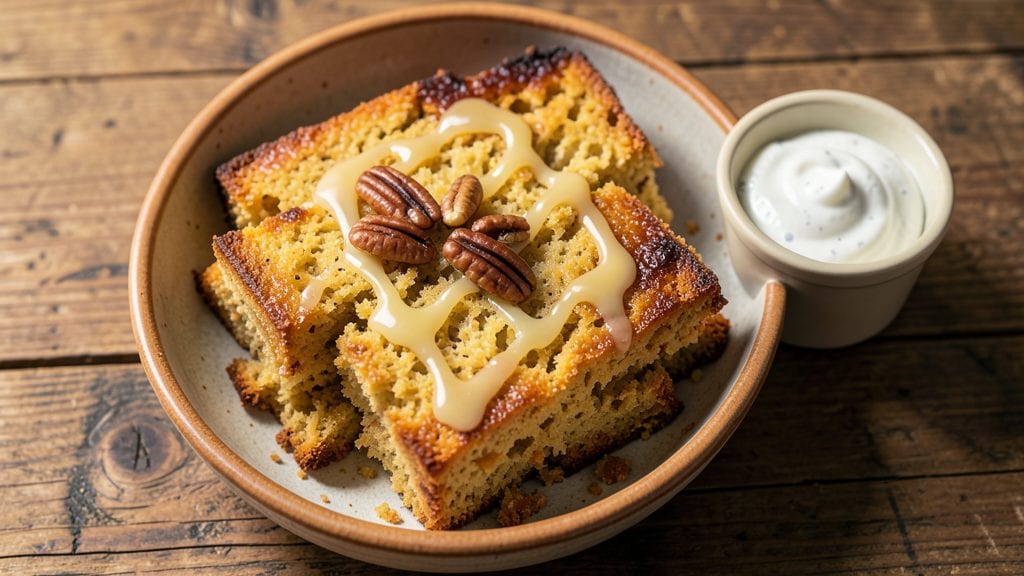
This sweet buttermilk cornbread recipe delivers the perfect balance of golden crust and tender crumb—just like Grandma used to make. The buttermilk creates that signature moist, slightly crumbly texture while keeping the edges beautifully crisp.
I’ve perfected this version over years of baking, and it’s become a staple at my family’s Sunday dinners.
What sets this recipe apart is the combination of buttermilk for moisture and brown sugar for depth, creating a sweetness that’s rich but not overpowering. The baking powder ensures a light rise, while a touch of honey adds natural caramel notes.
Ready in just 30 minutes, it’s the ideal side dish for breakfast, brunch, or alongside a hearty meal.
The result is a loaf with a golden crust that cracks slightly at the edges, revealing a crumbly interior with pockets of airiness. Serve warm with honey butter, jam, or even whipped cream for a dessert twist. This recipe is foolproof—no fancy techniques, just simple ingredients and precise timing.
Whether you’re hosting a gathering or craving a comforting side, this cornbread delivers Southern soul in every bite. Let’s get baking—your kitchen will smell like home in no time.
Ingredients for sweet buttermilk cornbread
Golden crust, crumbly texture—this Southern classic brings home to your table.
| Ingredient | Amount | Notes |
|---|---|---|
| All-Purpose Flour 🌾 | 3 cups | Sifted for even texture |
| Granulated White Sugar 🍯 | 1 cup | Conventional or organic |
| Brown Sugar Packed 🍯 | ½ cup | Light or dark variety |
| Buttermilk 🥛 | 1 ½ cups | Full-fat for richness |
| Melted Unsalted Butter 🧈 | ½ cup | Room temperature preferred |
| Large Eggs 🥚 | 2 whole | Room temperature for best incorporation |
| Baking Powder 🧂 | 2 tbsp | Aluminum-free preferred |
| Salt 🧂 | 1 tsp | Fine sea salt preferred |
| Pure Honey 🍯 | ¼ cup | Raw or regular variety |
| Fresh Corn Kernels 🌽 | 1 cup | Fresh or frozen, thawed |
| Wheat Germ 🌾 | ¼ cup | For added nutrition |
| Vanilla Extract 🌸 | 1 tsp | Pure vanilla preferred |
The buttermilk is non-negotiable for that signature tang and moisture—Whole Foods carries organic options, but any full-fat variety works. For the brown sugar—opt for Domino or Sugar in the Raw for consistent caramelization. The melted butter should be warm but not hot; let it cool slightly if microwaving. Wheat germ adds subtle nuttiness and nutritional depth, but Bob’s Red Mill is the most reliable source for consistent quality. Fresh corn kernels are ideal, but frozen kernels work perfectly if thawed and drained.
No buttermilk? Sour cream thinned with milk (1:1 ratio) is a reliable substitute, though the texture will be slightly denser. Substitute white sugar for half the brown sugar if you’re avoiding molasses notes, but expect a less complex flavor. The honey can be reduced to 0.125 cup if you’re watching sugar content, but the caramel notes will be less pronounced. For the corn kernels, cornmeal at 0.5 cup works in a pinch, though the texture will be more uniform. Always use aluminum-free baking powder—it reacts more predictably and leaves no metallic aftertaste.
This cornbread is best baked and served immediately, but it keeps 2 days in an airtight container at room temperature. For longer storage, freeze slices wrapped in parchment paper for up to 3 months. Reheat in a skillet with a pat of butter to restore that golden crust. The wheat germ can be added fresh, but if pre-ground, store it in the fridge for up to 2 weeks to preserve freshness. The vanilla extract should be stored in a cool, dark place—McCormick or Annie’s are trusted brands for consistent quality.
Why You'll Love This Recipe
- No Mixer Needed: I swear by this recipe when I’m in a rush—just whisk the dry ingredients, stir in the buttermilk, and fold in the melted butter. The batter’s thick but forgiving, so no overmixing or stressing over consistency.
- Sweet-Savory Magic: That combo of white and brown sugar? Chef’s kiss. The white sugar gives a bright crunch, while the brown sugar keeps it moist and caramelized—plus, the buttermilk adds just enough tang to balance the sweetness.
- Weekend Brunch Star: Serve it warm with honey butter, or save slices for breakfast toast the next morning. It’s my go-to for lazy mornings, potlucks, or when I need something that feels special without the fuss.
- Budget-Friendly Staple: Flour, sugar, and buttermilk are pantry basics, and this recipe stretches to feed four with leftovers that reheat beautifully. Honestly, it’s the kind of dish that makes grocery day feel like a win.
Step-by-step instructions for sweet buttermilk cornbread
Here's the method for achieving that perfect golden crust and tender crumb you crave.
Combine Dry Ingredients for Optimal Texture
In a large mixing bowl, whisk together the 3 cups all-purpose flour, 2 tablespoons baking powder, and 1 teaspoon salt until evenly distributed. This step ensures your cornbread will rise properly and develop that signature crumbly texture. I like to use a whisk for this part—it creates air pockets that help the cornbread stay light rather than dense.
Next, stir in the 1 cup granulated white sugar, 0.5 cup brown sugar packed, 0.25 cup wheat germ, and 1 cup fresh corn kernels. The sugars will caramelize during baking, contributing to that rich, golden color, while the corn kernels add texture and a subtle sweetness. Make sure the corn kernels are evenly distributed throughout the dry mixture so every bite has that classic cornbread flavor.
Mix Wet Ingredients for a Smooth Batter
In a separate medium bowl, combine the 1.5 cups buttermilk, 0.5 cup melted unsalted butter (cooled to room temperature), 2 whole large eggs, 0.25 cup pure honey, and 1 teaspoon vanilla extract. The buttermilk should be at room temperature—this prevents the eggs from curdling and ensures a smoother batter. Whisk vigorously until all ingredients are fully incorporated and the mixture is homogeneous.
Here's the thing—don't overmix. You want a slightly lumpy batter, as overmixing develops gluten and can make the cornbread tough. The ideal consistency should resemble thick pancake batter, with just a few small lumps remaining. This texture is key to achieving that perfect crumbly interior.
Combine Wet and Dry Ingredients Gently
Gradually pour the wet ingredient mixture into the dry ingredients while stirring gently with a rubber spatula. Mix just until combined—again, we're aiming for a slightly lumpy texture. The goal here is to preserve as much air as possible in the batter, which will translate to a lighter, fluffier cornbread. Once fully incorporated, let the batter rest for 5 minutes at room temperature.
During this resting period, the flour will fully hydrate and the ingredients will meld together more effectively. This step is often overlooked, but it makes a noticeable difference in the final texture. While waiting, preheat your oven to 375°F and position a rack in the lower-middle position. Grease a 9-inch cast-iron skillet or baking dish generously with butter or oil—this prevents sticking and ensures easy release when serving.
Bake to Golden Perfection
Pour the batter into the prepared skillet, spreading it evenly to create a uniform thickness. The batter should fill the skillet about ¾ full—this allows for even browning and proper rise. Place the skillet in the preheated oven and bake for 20-25 minutes, or until the edges are golden brown and a toothpick inserted into the center comes out clean.
Real talk: Your oven might run hot, so start checking at the 20-minute mark. The cornbread is done when the top has developed a deep golden color and the edges have pulled away slightly from the pan. If it browns too quickly, tent the skillet loosely with aluminum foil to prevent over-browning while allowing steam to escape.
Rest and Serve for Maximum Enjoyment
Remove the cornbread from the oven and let it cool in the skillet for 5 minutes. This resting period allows the internal structure to set, making it easier to slice without falling apart. Then, transfer the cornbread to a wire rack and let it cool completely before serving. The contrast between the warm, slightly sticky crumb and the crispy edges is what makes this recipe truly special.
For the best experience, serve the cornbread warm with a pat of butter melting on top or drizzled with extra honey. The combination of the buttermilk's tanginess, the corn's sweetness, and the wheat germ's nutty notes creates a harmonious balance that's perfect for breakfast, dessert, or even as a side dish. Store any leftovers in an airtight container at room temperature for up to 3 days, or freeze for longer storage.
Pro Tips For Making Sweet Buttermilk Cornbread
- Preheat That Pan: Cast iron or heavy skillet needs 10 minutes on medium-high before pouring batter—this guarantees a deep golden crust instead of a sad, pale bottom. I learned this the hard way after pulling out batches that looked more like pancakes than cornbread.
- Measure Buttermilk Right: Use the packed brown sugar measure—it’s denser than loose sugar—and don’t substitute powdered sugar, even if it’s tempting. The texture changes dramatically, and you’ll taste the difference in that buttery crunch.
- Skip the Overmixing: Mix just until the dry ingredients disappear—lumpy batter is fine. Overworking it makes cornbread dense and tough, and nobody wants a brick disguised as bread. Stir once, fold twice, and let the oven do the rest.
- Test with a Toothpick: Pull it out after 20 minutes—if crumbs stick but no wet batter clings, it’s done. Waiting for the timer is risky; this recipe varies wildly based on pan size and oven quirks. (Yes, even if it looks underdone.)
Creative variations of this dish
Southern-Style Sweetness
For an extra Southern touch, swap the granulated sugar for ½ cup muscovado sugar—its molasses notes deepen the caramelization while keeping the sweetness balanced. I like to add 1 tsp cinnamon to the dry ingredients for warmth, and a pinch of ground nutmeg enhances the honey’s floral notes.
This variation pairs perfectly with peach jam or bourbon caramel for a dessert-worthy twist. 🍯
Savory-Sweet Fusion
Transform this into a breakfast staple by adding ½ cup shredded sharp cheddar and ½ cup cooked breakfast sausage, crumbled. The savory elements cut through the sweetness beautifully, making it ideal for brunch.
I also add 1 tsp smoked paprika to the dry mix for a subtle smokiness that complements the buttermilk tang. Serve with scrambled eggs and crispy bacon for a hearty meal. 🍳
Gluten-Free Adaptation
Replace the all-purpose flour with a 1:1 gluten-free baking flour blend like Bob’s Red Mill or King Arthur. Add ¼ cup cornstarch to the dry ingredients to improve texture and binding.
For moisture, increase the buttermilk to 1¾ cups and add 1 tbsp psyllium husk powder to mimic gluten’s structure. This version keeps the crumbly texture while being safe for gluten-sensitive diners. 🌾
Spiced Rum Infusion
Boost the flavor profile by adding 1 tbsp dark spiced rum (like Kahlúa) to the wet ingredients. The rum caramelizes beautifully during baking, adding depth and a subtle boozy note.
For extra richness, fold in 2 tbsp toasted pecans, chopped, into the batter. This variation is perfect for holiday gatherings or as a dessert with vanilla ice cream. 🍹
Herbed Garden Twist
Brighten the classic recipe with 2 tbsp fresh chives, finely chopped, and 1 tbsp dried thyme mixed into the dry ingredients. The herbs add a fresh, earthy contrast to the sweetness.
I also swap ½ cup of the corn kernels for diced fresh basil for a surprising but delicious herbal note. This version pairs wonderfully with goat cheese or whipped cream for a sophisticated side dish. 🌿
Cinnamon Roll Cornbread
Create a dessert version by spreading the batter into a greased 9x9-inch pan, then swirling in ½ cup cream cheese frosting (mix 4 oz cream cheese, 2 tbsp butter, and 1 cup powdered sugar).
Top with ½ cup mini chocolate chips and bake as directed. The result is a cinnamon roll-inspired cornbread that’s perfect for breakfast or dessert. 🍫
Nutrition facts
Frequently asked questions
Why does buttermilk make this cornbread so moist?
The acidity in buttermilk reacts with the baking powder, creating tiny air pockets that give the cornbread its signature light texture. Plus, the fat content keeps it tender and moist for hours after baking. The 1.5 cups in this recipe is key—don't substitute with regular milk!
Can I make this cornbread without a cast-iron skillet?
Use a 9-inch oven-safe ceramic or metal baking dish instead. Grease it well with butter or oil, and bake at 375°F for 25-30 minutes until golden. The edges might not get as crispy, but the texture will still be perfect.
How do I fix if my cornbread turns out too dense?
Overmixing or underbaking usually causes density. Next time, mix just until combined (lumps are okay!) and bake until a toothpick comes out clean. For extra fluffiness, let the batter rest 10 minutes before baking. If it's already baked, try reheating slices in a skillet with butter to restore moisture.
What's the best way to store leftover cornbread?
Wrap slices tightly in plastic wrap or foil and store at room temperature for 2 days. For longer storage, freeze for up to 3 months. To revive, warm in a 350°F oven for 10 minutes or toast in a skillet with butter. The texture stays fresh this way!
Can I make this gluten-free?
Yes! Replace the all-purpose flour with a 1:1 gluten-free baking blend and add ¼ cup cornstarch. Increase buttermilk to 1¾ cups and add 1 tbsp psyllium husk powder for structure. The texture will be slightly different but still delicious.