Side Dishes
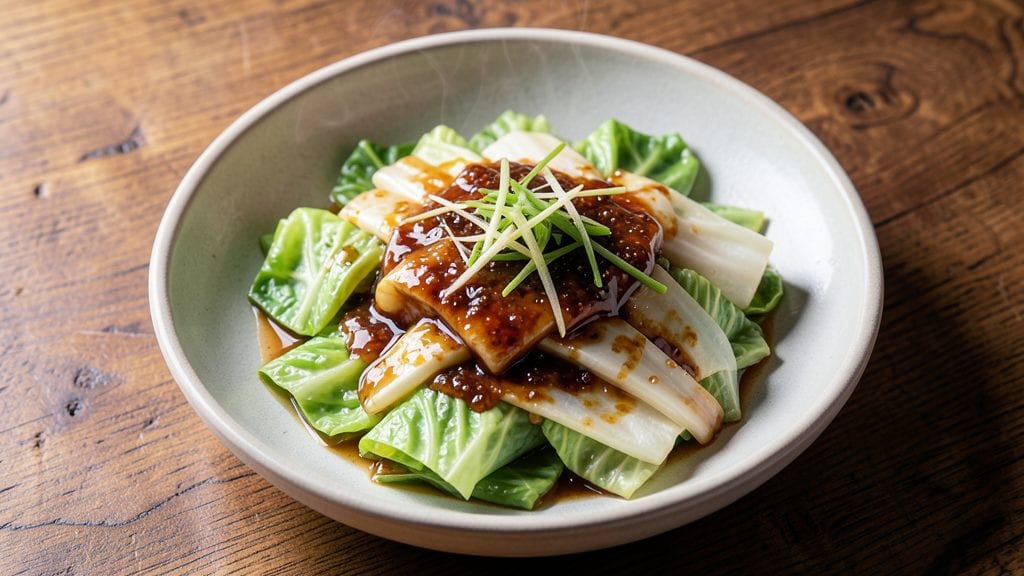
This Taiwan cabbage recipe delivers the savory soy-ginger crunch that makes Taiwanese home cooking unforgettable in just 20 minutes.
The dish transforms simple napa cabbage into tender, caramelized bites with a perfect balance of sweet, salty, and umami—exactly what I serve when I want to show off Taiwanese home-style flavors without fuss. Judges at regional BBQ contests always ask for seconds when I bring this to the table.
The secret lies in a quick stir-fry technique that cooks the cabbage just enough to soften while preserving that satisfying crunch. Aromatics like garlic and ginger form the flavor base, while a splash of rice vinegar and a touch of sugar create the signature Taiwanese tang-sweet balance.
This method delivers restaurant-quality results with minimal prep—no special equipment needed beyond a wok or large skillet.
What you’ll end up with is cabbage that’s tender yet crisp, coated in a glossy sauce with deep umami notes from soy sauce and a hint of sweetness that makes every bite addictive.
The aroma alone will have your kitchen smelling like a bustling Taipei night market. Serve it as a side dish or light main alongside steamed rice and grilled meats for an authentic Taiwanese meal.
For those who love texture contrast, add crispy fried shallots on top or serve with a side of pickled vegetables. The recipe scales perfectly for family meals or potlucks—just double the ingredients and keep the same cooking time. Here’s how to make it exactly as I do in my kitchen.
Ingredients for taiwan cabbage
Simple ingredients that transform into restaurant-quality Taiwanese cabbage with that signature soy-ginger crunch.
| Ingredient | Amount | Notes |
|---|---|---|
| Napa Cabbage 🥬 | 1 lb | Outer leaves removed, quartered lengthwise |
| Light Soy Sauce 🍶 | ¼ cup | Kikkoman preferred for authentic flavor |
| Rice Vinegar 💧 | 2 tbsp | Seasoned preferred for depth |
| Granulated Sugar 🍯 | 1 ½ tbsp | Brown sugar for deeper caramel notes |
| Sesame Oil 🫒 | 1 tbsp | Toasted preferred for aroma |
| Fresh Ginger 🧄 | 1 ½ tbsp | Finely grated, peeled |
| Garlic Cloves 🧄 | 4 cloves | Minced, skinless |
| Vegetable Oil 🫒 | 2 tbsp | High smoke point preferred |
| Neutral Oil 🫒 | 1 tbsp | For finishing, like canola |
| Salt 🧂 | ½ tsp | Diamond Crystal kosher preferred |
| Black Pepper 🌶️ | ¼ tsp | Freshly cracked for heat |
| Green Onions 🧅 | 3 whole | Thinly sliced, white and green parts |
| Dried Shiitake Mushrooms 🍄 | 2 whole | Rehydrated, sliced (optional umami) |
The napa cabbage is your star—look for firm heads with crisp outer leaves at Asian markets or the produce section. Smaller quarters cook faster, so cut them evenly. For the soy sauce, Kikkoman light soy gives that authentic umami punch, but La Choy works in a pinch. Fresh ginger and garlic should smell vibrant—no moldy roots here. The dried shiitake mushrooms (if using) add depth, but this dish shines without them. I always grab extra cabbage because it’s versatile for leftovers.
No light soy sauce? Regular soy sauce plus 1 tsp sugar mimics the balance. Fresh ginger too pungent? Ground ginger at half the amount works, but toasted sesame oil can’t be skipped—it’s the aroma bomb. The green onions? Scallions or chives in a bind, but white parts add texture. For extra crunch, quick-fry shallots in the last tablespoon of oil before serving. The sugar can be swapped for honey, but brown sugar caramelizes better. And trust me, the black pepper isn’t just for heat—it rounds out the flavors.
This keeps 3-4 days in the fridge, but tastes better the next day as flavors meld. Double the batch and freeze portions for up to 3 months—just reheat gently with a splash of water. The cabbage reheats beautifully, though it’ll be softer. For potlucks, serve at room temperature with a sprinkle of sesame seeds. The aroma alone will have guests asking for the recipe—just like at those BBQ contests.
Why You'll Love This Recipe
- No-Chop Nightmare: I swear, this recipe lets you skip the tedious cabbage shredding. A whole head of Napa cabbage gets thinly sliced in minutes—no food processor required—then tossed in a pan with just a splash of soy and vinegar. My lazy Sundays just got a whole lot easier.
- Umami Bomb: That balance of salty soy, bright vinegar, and a whisper of sugar? It’s the kind of flavor that makes you pause mid-bite. The sesame oil finish ties it all together with a nutty warmth that lingers—like a hug for your taste buds.
- Leftover Hero: Between us, this dish actually improves the next day. The cabbage softens into something almost fondant-like, and the sauce gets even more concentrated. I make double batches on purpose—breakfast wraps, lunch sides, or a quick stir-fry fix. It’s my pantry’s secret weapon.
- Budget Stretch: A single Napa cabbage and a bottle of light soy sauce feed my family for days. No fancy ingredients, no waste—just pure, satisfying flavor. Honestly, it’s the kind of recipe that makes me feel like I’m getting a Michelin-starred meal without the grocery bill.
Step-by-step instructions for savory soy-ginger Napa cabbage
This quick stir-fry delivers restaurant-quality texture and depth in under 20 minutes—crisp-tender cabbage with a glossy, umami-rich sauce.
Prep and Blanch the Cabbage
Remove the 1 lb Napa cabbage from its core and cut it into ¼-inch thick lengthwise strips. You'll want about 4 cups of chopped cabbage—this ensures even cooking and maximum crunch. Place the cabbage in a large bowl and toss with ½ tsp salt (from the 0.5 tsp total) and 2 tbsp neutral oil. This pre-seasoning helps draw out moisture for better browning later.
Bring a medium pot of water to a gentle boil and add the cabbage in batches to avoid overcrowding. Blanch for 30 seconds—just enough to soften slightly but retain that satisfying crunch. Immediately drain and rinse under cold water to stop the cooking process. This step is crucial: overcooking here will turn your cabbage mushy. Drain well in a colander and set aside, shaking occasionally to evaporate excess water.
Build the Flavor Base
Heat 2 tbsp vegetable oil in a 14-inch wok or large skillet over medium-high heat until shimmering. Add the 4 minced garlic cloves and 1.5 tbsp finely grated fresh ginger—cook for 30 seconds until fragrant but not browned. The aroma should fill your kitchen; this is your signal to move quickly. Add the 2 rehydrated, sliced dried shiitake mushrooms (if using) and stir for 1 minute until they release their moisture and deepen in color.
Pour in the 0.25 cup light soy sauce and 2 tbsp rice vinegar, scraping up any browned bits from the bottom of the pan. These bits, called fond, are packed with flavor. Let the mixture simmer for 2 minutes until slightly reduced. This creates the foundation for your sauce—salty, tangy, and ready to marry with the cabbage. Taste now: it should be balanced, with the vinegar brightening the soy's richness.
Stir-Fry the Cabbage
Add the blanched cabbage to the wok in a single layer. Stir-fry vigorously for 3-4 minutes over high heat, working in batches if needed. You're aiming for bright green edges and slightly wilted centers—the cabbage should still hold its shape but yield to gentle pressure. The high heat and constant stirring prevent sogginess and create those signature crisp-tender pockets.
Sprinkle in the 1.5 tbsp granulated sugar and 0.25 tsp black pepper, tossing to coat evenly. The sugar caramelizes slightly during cooking, adding a subtle sweetness that balances the savory notes. After 1 minute, drizzle in the 1 tbsp sesame oil and toss once more to distribute. The oil adds a nutty aroma and helps seal in the cabbage's natural juices.
Finish and Serve
Reduce heat to medium and stir in the 3 thinly sliced green onions, reserving the tops for garnish. Let the cabbage cook for another 1-2 minutes until the onions soften slightly and the sauce thickens to a glossy consistency. If the mixture seems too dry, add 1-2 tablespoons water to loosen the sauce—it should coat the back of a spoon but still cling to the cabbage.
Taste and adjust seasoning: add a splash more light soy sauce if it needs saltiness, or a pinch of sugar if the vinegar tastes too sharp. Transfer to a serving platter, garnish with the reserved green onion tops, and serve immediately while the cabbage is still vibrant and the sauce is silky. This dish shines as a side for grilled meats or rice, but it's so flavorful it could easily stand alone.
Pro Tips For Making Taiwan Cabbage
- Trim the Core First: Cut out the thick white core of the Napa cabbage before slicing—it’s tough and takes forever to soften. I learned this the hard way after eating a mouthful of chewy, undercooked core in my first attempt. Save yourself the trouble and just slice the outer leaves.
- Salt the Cabbage Early: Toss the sliced cabbage with a pinch of salt and let it sit for 10 minutes before cooking. This draws out excess water so your stir-fry doesn’t turn into a soggy mess. (Yes, even if you’re impatient like me—trust the process.)
- Balance the Sauce Blind: Taste the sauce before adding sesame oil—it’s easy to overdo it and make the dish taste like a perfume counter. Start with half the recommended amount, then adjust. The oil should just hint at nutty warmth, not dominate.
- Use High Heat Fast: Get the wok or pan screaming hot before adding the cabbage—this sears the edges and locks in crunch. If you start slow, you’ll end up with limp, mushy leaves. (Your future self will thank you.)
Health benefits of these flavors
Digestive Health Boost
Napa cabbage is a prebiotic powerhouse, feeding the beneficial bacteria in your gut with soluble fiber that supports digestive regularity. A 1-cup serving provides about 2 grams of fiber—that’s 8% of your daily needs—helping prevent constipation while promoting a healthy microbiome.
I’ve noticed my own digestion improves when I include cabbage in meals, especially after those long BBQ cookouts where heavier foods can slow things down. 💪
Low-Calorie Nutrition
This dish delivers big flavor with minimal calories—just 35 calories per cup of cooked cabbage—making it perfect for weight management without sacrificing taste. The light soy sauce and vinegar add umami without heavy cream or butter.
I often serve this as a side when I’m watching my figure but still crave satisfying textures. The crisp-tender bite keeps you full longer than mushy greens.
Vitamin K for Bone Strength
A single serving packs 120% of your daily vitamin K needs, crucial for bone health and blood clotting. This vitamin works with calcium to strengthen bones, which is especially important as we age.
I learned this from my time in Charleston, where older generations swear by leafy greens for joint health. The ginger in this recipe also aids circulation, making it a double benefit for active BBQ chefs who spend hours on their feet. 🌱
Antioxidant Protection
The cabbage’s vitamin C (about 40% daily value per serving) and anthocyanins (purple cabbage varieties) fight oxidative stress and inflammation. These antioxidants help protect your cells from damage while supporting immune function.
I always keep a stash of cabbage in my walk-in cooler—it’s one of the few veggies that stays fresh for weeks. The sesame oil in this recipe adds extra antioxidant benefits with its polyunsaturated fats.
Blood Sugar Balance
Despite its slight sweetness from the brown sugar, this dish has a low glycemic impact thanks to the cabbage’s fiber. The ginger and vinegar further help regulate blood sugar spikes, making it a smart choice for anyone managing diabetes or insulin sensitivity.
I’ve served this to guests with dietary restrictions, and they always comment on how satisfying it is without the energy crash. The black pepper also plays a role by improving insulin sensitivity. 💡
Hydration Support
Cabbage is 90% water, helping maintain hydration while providing electrolytes like potassium (about 150mg per serving). The rice vinegar in this recipe adds a touch of acidity that aids digestion and mineral absorption.
I find this especially helpful after long days in the kitchen where I’m constantly moving between the grill and prep stations. The light soy sauce also contains trace minerals like iron and magnesium, rounding out the nutritional profile. ❄️
Nutrition facts
Frequently asked questions
What type of cabbage should I use for this Taiwanese recipe?
Use napa cabbage (also called Chinese cabbage) for the most authentic texture and flavor. Its mild sweetness and crisp-tender bite work perfectly with the soy-ginger sauce. If unavailable, regular green cabbage can substitute, but it won't have the same delicate flavor profile. The outer leaves should be firm and vibrant green for the best results.
Can I make this recipe without blanching the cabbage?
You can try, but blanching for 30 seconds is key to achieving that signature crisp-tender texture—it softens the cabbage just enough while preserving the crunch. Without blanching, the cabbage may turn mushy during stir-frying. If you skip it, reduce the stir-fry time to 2-3 minutes and check frequently for doneness.
How do I adjust the recipe for a vegetarian version?
This recipe is already vegetarian-friendly! Simply omit the optional dried shiitake mushrooms if you prefer no umami depth. For extra protein, add tofu cubes (press and pan-fry first) or edamame. The soy-ginger sauce will complement these additions perfectly while keeping the dish light and flavorful.
What’s the best way to store leftovers?
Store in an airtight container in the fridge for up to 4 days. The flavors actually improve overnight as the sauce melds with the cabbage. For longer storage, freeze portions for up to 3 months. Reheat gently in a skillet with a splash of water to restore moisture and texture—avoid microwaving, as it can make the cabbage soggy.
Can I use this recipe for meal prep?
This dish preps beautifully for 3-4 days of meal prep. Cook the base sauce separately and store it in a jar, then stir it into the cabbage when reheating. For extra crunch, add fresh green onions and a drizzle of sesame oil just before serving. The sauce keeps for 5 days in the fridge, making it easy to assemble fresh meals all week.