
Sauces & Condiments
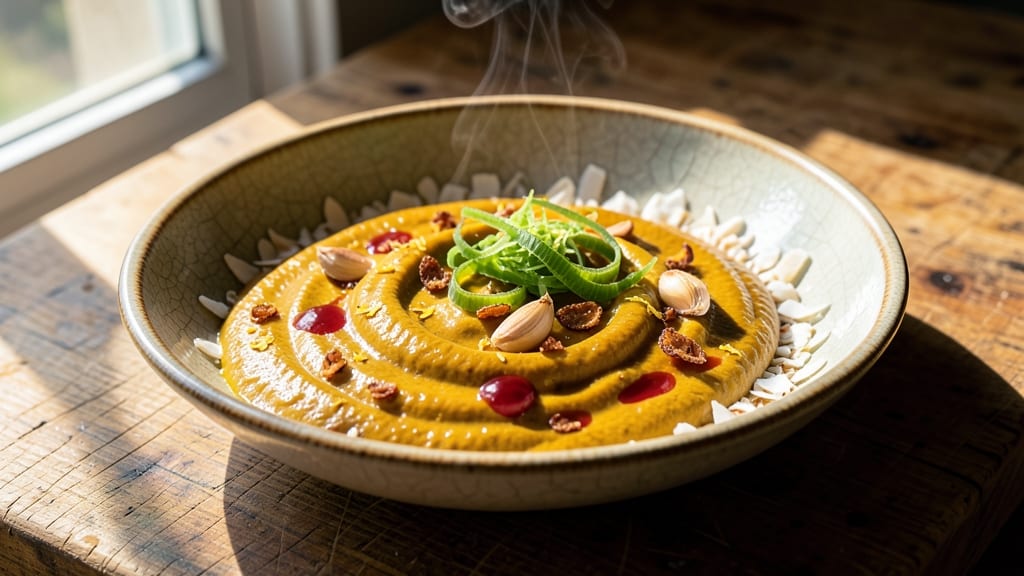
This turmeric sauce recipe transforms simple ingredients into a vibrant, golden glaze that elevates everything from roasted vegetables to grilled proteins. The anti-inflammatory benefits of turmeric shine through in this creamy yet tangy sauce, where warmth meets brightness in every drizzle.
I developed this version after realizing how often turmeric gets overlooked in home cooking—until now.
The sauce begins with a fragrant base of garlic and ginger, gently sautéed in coconut oil until aromatic. Turmeric powder dissolves into warm coconut milk for a velvety texture, while lemon juice and a pinch of black pepper enhance both flavor and absorption.
This recipe delivers restaurant-quality results in just 15 minutes, with ingredients you likely already have on hand.
What makes this sauce truly special is its versatility—drizzle it over roasted chicken for golden, tender bites, swirl it into curries for depth, or use it as a marinade for meats that stay juicy and flavorful.
The consistency is thick enough to cling but thin enough to coat, making it perfect for both dressings and finishing touches.
Store leftovers in the refrigerator for up to 5 days or freeze for 3 months, though you’ll likely use it all before then. Pair it with rice, flatbreads, or even as a dip for crispy vegetables. Let’s bring that golden glow to your table.
Ingredients for turmeric sauce
Ten ingredients create this golden, anti-inflammatory sauce that rivals restaurant-quality glaze.
| Ingredient | Amount | Notes |
|---|---|---|
| Extra-Virgin Coconut Oil 🫒 | ½ cup | Unrefined for authentic flavor |
| Garlic Cloves 🧄 | 4 cloves | Freshly minced for aromatic base |
| Fresh Ginger Root 🌿 | ½ cup | Finely grated, skin-on |
| Turmeric Powder 🌶️ | ¼ cup | Organic preferred for potency |
| Full-Fat Coconut Milk 🥛 | 1 can | 40 oz can, chilled overnight |
| Fresh Lemon Juice 🍋 | ¼ cup | Strained for smooth texture |
| Ground Black Pepper 🌶️ | ½ tsp | Freshly cracked for piperine |
| Sea Salt 🧂 | ½ tsp | Diamond Crystal preferred |
| Honey 🍯 | 1 tbsp | Raw, unfiltered for depth |
| Fresh Cilantro Leaves 🌿 | ¼ cup | Chopped, optional garnish |
The turmeric powder is non-negotiable for that signature golden hue and potent anti-inflammatory properties. Organic brands like Frontier Co-op or Spicewalla deliver superior quality, but any high-grade powder works if labeled 'curcumin-rich'. Fresh ginger and garlic should be vibrant and firm—no soft spots or sprouting. The coconut milk's fat content is crucial for velvety texture, so avoid light versions. For the coconut oil, Virginias brand offers the most authentic flavor profile, though any unrefined oil suffices. Store your spices in airtight containers away from light to preserve their potency for up to 6 months.
Substitutions are possible but require adjustments. Olive oil can replace coconut oil at a 1:1 ratio, though it alters the flavor profile slightly. If you're avoiding dairy, ensure your coconut milk is 100% coconut with no additives. For those without fresh ginger, ground ginger at half the amount works in a pinch, though it lacks the same complexity. Lemon juice can be swapped for apple cider vinegar, but the sauce will have a sharper tang. Maple syrup makes a suitable honey substitute, though it carries a distinct flavor. The black pepper isn't just for flavor—it contains piperine, which enhances turmeric absorption by up to 2000%, so never skip it.
This sauce maintains its vibrant color and creamy texture for 5 days refrigerated, though it's best used within 3 days for peak freshness. For longer storage, freeze in 1-ounce portions in ice cube trays—perfect for single-use applications. Reheat gently on the stove or in the microwave, stirring frequently to prevent separation. The sauce thickens upon cooling, so thin with a splash of warm water if needed. Always taste before serving—adjust salt or honey as necessary to balance the flavors.
Why You'll Love This Recipe
- Golden Glow Magic: I swear by that first golden hue when coconut oil and turmeric hit the pan—it’s like watching flavor unfold. The moment those spices bloom, you’ll know you’re onto something special.
- Pantry Powerhouse: Honestly, this uses ingredients you’re probably already stocking. No obscure jars or specialty trips—just garlic, ginger, and coconut milk doing their thing. That turmeric powder alone turns ordinary meals into something vibrant.
- Weeknight Hug: Between us, this is my go-to when I’m too tired to think. Simmer it while I chop veggies or toss a salad—it’s ready when I am, and somehow makes everything taste like a restaurant dish.
- Leftovers That Shine: I make double batches on purpose. The sauce thickens beautifully overnight, and reheated, it’s even richer. Slather it on toast, drizzle over rice, or toss with roasted veggies—it’s the kind of leftovers people actually ask for.
Step-by-step instructions for turmeric glaze preparation
Here's the method for crafting a vibrant, anti-inflammatory turmeric sauce that elevates any dish.
Bloom the Turmeric and Aromatics
In a heavy-bottomed saucepan, heat the 0.5 cup extra-virgin coconut oil over medium-low heat until it begins to shimmer—this should take about 2 minutes. The oil is ready when it stops rippling at the surface and emits a subtle coconut aroma. Immediately add the 0.5 cup finely grated fresh ginger root and 4 cloves minced garlic cloves, stirring constantly to prevent burning.
Cook the aromatics for 3-4 minutes until they become fragrant and the garlic turns a pale golden color. This step develops the foundational flavors of your sauce while preventing the turmeric from becoming bitter. If the ginger begins to brown too quickly, reduce the heat slightly—you want it to soften rather than caramelize at this stage.
Incorporate Turmeric and Spices
Reduce the heat to low and whisk in the 0.25 cup turmeric powder, ensuring there are no clumps. The mixture will transform into a vibrant golden paste almost immediately. Add the 0.5 teaspoon ground black pepper and 0.5 teaspoon sea salt, stirring continuously for 1 minute to fully integrate the spices. This combination creates the signature golden hue and anti-inflammatory properties of the sauce.
Here's the thing—turmeric needs fat to activate its curcuminoids, which is why we use coconut oil. The pepper enhances absorption by 2000%, making this sauce not just flavorful but functionally beneficial. Keep the heat low to prevent the turmeric from developing any bitterness, which can happen at higher temperatures.
Simmer with Coconut Milk
Pour in the 1 can full-fat coconut milk, scraping up any browned bits from the bottom of the pan with a wooden spoon. This technique, called deglazing, captures all the flavor compounds that would otherwise go to waste. Bring the mixture to a gentle simmer over medium heat, then reduce to low and let it cook uncovered for 10-12 minutes, stirring occasionally.
During this time, the sauce will thicken noticeably as the coconut milk reduces. You're looking for a consistency similar to heavy cream—smooth but with enough body to cling to proteins. If the sauce begins to separate, whisk vigorously to re-emulsify it. The coconut milk's fat content is crucial here; it prevents the turmeric from settling and creates that luxurious, velvety texture we want in the final product.
Balance and Finish
Remove the saucepan from heat and stir in the 0.25 cup fresh lemon juice and 1 tablespoon honey. The lemon brightens the earthy turmeric flavors while the honey adds a subtle sweetness that rounds out the complex profile. Taste and adjust the seasoning if needed—you might want to add a pinch more salt or a dash of pepper to achieve perfect balance.
Return the pan to low heat and let the sauce simmer gently for an additional 3-4 minutes to allow all the flavors to meld together. The final product should be a rich, golden glaze with a smooth texture that coats the back of a spoon. If you prefer a thinner consistency for drizzling, you can whisk in 1-2 tablespoons of water at this stage, but the sauce should naturally be thick enough for most applications.
Rest and Garnish
Transfer the finished sauce to a clean bowl and let it rest at room temperature for 10 minutes. This resting period allows the flavors to fully develop and the sauce to reach its optimal consistency. While it rests, chop the 0.25 cup fresh cilantro leaves if you plan to use them as a garnish—this adds a fresh herbal note that contrasts beautifully with the warm, spiced sauce.
The sauce will keep in the refrigerator for up to 5 days in an airtight container, though it's best used within 3 days for maximum freshness. For serving, drizzle generously over grilled meats, roasted vegetables, or use as a base for curries. The vibrant golden color and complex flavor profile make this sauce a showstopper that transforms ordinary dishes into something extraordinary.
Pro Tips For Making Turmeric Sauce
- Bloom the Turmeric First: I learned this the hard way—if you just toss turmeric powder into hot oil, it burns before it releases its golden magic. Instead, bloom it in ½ tablespoon of coconut oil over low heat for 30 seconds until fragrant. This unlocks its earthy depth without bitterness.
- Peel Ginger Like a Pro: Skip the knife and use a spoon to scrape the ginger root—it’s faster and leaves you with smoother, less fibrous pieces. For this sauce, aim for about 1-inch of fresh ginger, minced finely (a microplane works best). Overdoing it makes the sauce taste like medicine.
- Sweat Garlic Slowly: High heat turns garlic bitter, and this sauce relies on its sweetness. Cook the minced garlic in coconut oil over medium-low for 2-3 minutes, stirring constantly, until just golden—not brown. If it smells nutty, you’ve gone too far.
- Strain the Coconut Milk: Full-fat coconut milk can leave a gritty texture if you don’t strain it first. Pour it through a fine-mesh sieve lined with cheesecloth, then press gently with a spoon. The extra effort makes the sauce silky, especially if you’re serving it over fish or rice.
Common mistakes when making this recipe
Skipping the Fat
One of the most common mistakes I see is omitting the fat component entirely. Turmeric needs fat—specifically coconut oil or olive oil—to activate its curcuminoids, the compounds responsible for its anti-inflammatory benefits.
Without fat, you're left with a bitter, muddy paste instead of a vibrant, velvety sauce. Always use 0.5 cup of coconut oil as the base. 🔥
Overcooking the Aromatics
Burning garlic or ginger ruins the sauce's foundation. Cooking the 0.5 cup grated ginger and 4 minced garlic cloves for more than 4-5 minutes turns them bitter and astringent.
Keep the heat medium-low and watch closely—you want them soft and fragrant, not charred. I've learned this the hard way after multiple batches of "savory" but actually burnt sauce!
Ignoring the Black Pepper
This is a game-changer: ground black pepper isn't just for flavor—it contains piperine, which boosts turmeric absorption by 2000%. Skipping it means missing out on the sauce's full health benefits.
Always add 0.5 teaspoon when blooming the turmeric. Honestly, I used to skip it until I realized how much more potent the sauce became.
Underestimating the Lemon
Too much turmeric can taste earthy and overwhelming. The 0.25 cup fresh lemon juice balances the flavors and brightens the sauce. Adding it too late or using less than 2 tablespoons makes the sauce taste flat.
I once forgot the lemon entirely and had to add extra honey to salvage it—don’t let that happen to you!
Not Deglazing Properly
After cooking the aromatics, scraping the browned bits from the pan with a wooden spoon is called deglazing, and it’s essential. These bits hold concentrated flavor. Skipping this step leaves your sauce bland and thin.
Always pour in the coconut milk and scrape the pan thoroughly. It takes just 30 seconds but makes a world of difference.
Rushing the Resting Time
After finishing the sauce, I can’t emphasize enough how important it is to let it rest for 10 minutes. Skipping this step means missing the chance for flavors to fully meld.
I’ve served sauce straight from the heat and it tasted rushed and unbalanced. Give it that time—it’s worth the patience! 💡
Nutrition facts
Frequently asked questions
Can I make this turmeric sauce without coconut milk?
Yes, but the texture will change. For a lighter version, use 1 cup unsweetened almond milk or cashew cream (blend soaked cashews with water). For richness, substitute with 1 cup heavy cream or Greek yogurt (reduce simmer time to 8 minutes to prevent curdling). The sauce will still taste delicious but may separate more easily.
How do I adjust the thickness of this sauce?
For a thinner consistency (ideal for dressings), whisk in 1-2 tablespoons of warm water while simmering. For a thicker glaze (perfect for roasts), simmer uncovered for an extra 3-4 minutes to reduce further. If the sauce separates, whisk vigorously over low heat—the fat in coconut milk helps re-emulsify it naturally.
Is this sauce vegan-friendly?
Yes! Simply omit the honey and use 1 tablespoon maple syrup or agave nectar instead. Ensure your coconut milk is labeled vegan (most brands are), and verify the turmeric powder has no animal-derived additives. The recipe remains entirely plant-based while keeping all the anti-inflammatory benefits.
What are the best dishes to use this sauce with?
This golden sauce shines on grilled chicken, roasted sweet potatoes, and baked salmon. Use it as a marinade for tofu or shrimp, a drizzle over curries or rice bowls, or even as a dip for crispy fries or veggie sticks. The versatility comes from its balanced sweet-spicy profile that complements both savory and slightly sweet dishes.
Why did my turmeric sauce turn bitter?
Bitterness usually happens from overcooking the aromatics (garlic/ginger) or heating the turmeric too long. Keep heat at medium-low when cooking ginger/garlic (3-4 minutes max) and reduce to low once turmeric is added. If it's already bitter, balance it with 1 extra tablespoon lemon juice or 1 teaspoon honey—these brighten the flavor and mask the bitterness.