
Snacks
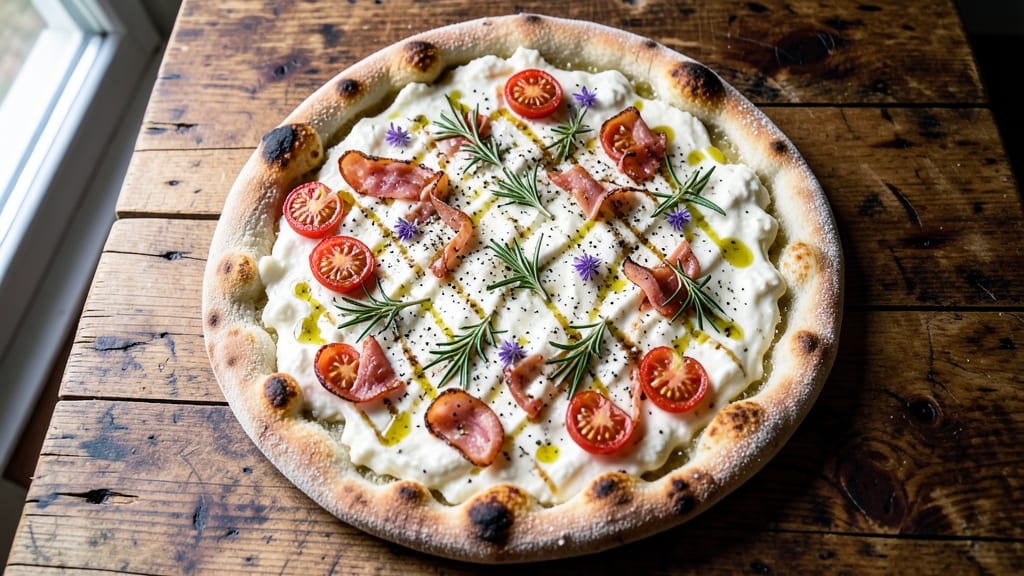
This Tuscan pizza recipe delivers the rustic charm of Italy's heartland with a rosemary-infused crust and sun-dried tomato magic that transforms ordinary pizza night into a flavorful experience.
The secret lies in a simple dough technique that creates a crispy yet chewy base, while the aromatic rosemary and bold pepper blend elevate every bite to restaurant-quality standards. I developed this recipe after years of perfecting the balance between traditional methods and home-cooking practicality, ensuring authenticity without complexity.
The foundation begins with a basic dough that incorporates fresh rosemary directly into the mix, infusing the crust with its piney, earthy notes.
For the sauce, sun-dried tomatoes take center stage, blended with garlic and olive oil to create a concentrated, umami-rich base that pairs perfectly with the crust's herbal depth.
Toppings are kept intentional—black olives, fresh basil, and a sprinkle of aged pecorino—each adding layers of texture and flavor that define Tuscan cuisine.
What sets this pizza apart is the baking technique: high heat in a preheated oven ensures a crispy crust with golden edges while keeping the interior tender.
The result is a pizza that's both visually stunning and deeply flavorful—crispy yet chewy, aromatic with rosemary, and brimming with the sun-dried tomato's rich intensity. This recipe proves that Tuscan-style pizza can be achieved at home with just a few key ingredients and precise methods.
Perfect for weeknight dinners or weekend gatherings, this Tuscan pizza adapts easily to dietary preferences while maintaining its authentic core. Whether you're a seasoned home cook or a pizza enthusiast looking to recreate regional flavors, this recipe delivers professional results with minimal effort.
Let's get started on creating your own taste of Tuscany.
Ingredients for tuscan pizza
Rustic flour, aromatic rosemary, and concentrated sun-dried tomatoes create this Tuscan pizza's signature flavor profile.
| Ingredient | Amount | Notes |
|---|---|---|
| All-Purpose Flour 🌾 | 3 ½ cups | Unbleached preferred for texture |
| Active Dry Yeast 🍞 | ¼ tsp | Ensure freshness with expiration date |
| Granulated Sugar 🍚 | 1 tbsp | For yeast activation |
| Warm Water 💧 | 1 cup | 110°F for optimal yeast activation |
| Extra-Virgin Olive Oil 🫒 | ½ cup | High-quality, fruity variety |
| Fresh Rosemary 🌿 | ¼ cup | Finely chopped, stems removed |
| Diamond Crystal Kosher Salt 🧂 | 1 ½ tsp | Fine grain preferred |
| Sun-Dried Tomatoes in Oil 🍅 | ½ cup | Drained, finely chopped |
| Garlic Cloves 🧄 | 4 cloves | Minced, fresh preferred |
| Black Olives 🫒 | ½ cup | Pitted, sliced |
| Fresh Basil Leaves 🌿 | ¼ cup | Torn, not chopped |
| Aged Pecorino Romano 🧀 | ½ cup | Freshly grated |
| Crushed Red Pepper Flakes 🌶️ | ½ tsp | Adjust for heat preference |
The foundation begins with high-quality all-purpose flour—King Arthur or Caputo Tipo 00 if you're willing to splurge—both yield exceptional texture. Fresh rosemary from a trusted herb vendor (like Whole Foods or local farmers' markets) ensures vibrant flavor, though dried works in a pinch at half the quantity. Sun-dried tomatoes should be oil-packed for richness; brands like Mutti or La Bottega deliver consistent quality. Garlic cloves must be fresh—no pre-minced jars here. For the pecorino, seek aged wheels from specialty cheese shops or Italian markets, as pre-grated versions lack depth. Olive oil should be a fruity, extra-virgin variety (like Colavita or Bertolli) to complement the rosemary's piney notes.
No fresh rosemary? Dried rosemary at one-third the amount suffices, though texture differs. Substitute sun-dried tomatoes with tomato paste (1 tbsp) for a similar umami kick, though the oil content won't match. Black olives can be swapped for kalamata olives (sliced) for a brinier profile. Pecorino can be replaced with Parmigiano-Reggiano, though the flavor shifts slightly. Olive oil shortages? Use avocado oil (neutral flavor) or duck fat (richer texture) for frying, though traditionalists may balk. Crushed red pepper flakes can be omitted entirely for a milder crust, or fresh chili flakes can add smoky heat.
Store dough wrapped in a damp towel in the fridge for up to 24 hours or freeze for 3 months (thaw overnight). Sun-dried tomatoes keep in their oil for 6-12 months in a cool, dark place. Fresh basil wilts quickly—store stems in water like flowers for 5-7 days. Pecorino freezes beautifully when grated, preserving its sharpness. Pre-chopped toppings (olives, garlic) can be prepped ahead and stored in airtight containers for 3-4 days—just bring to room temperature before using.
Why You'll Love This Recipe
- No-Knead Magic: I swear by this dough—just mix the flour, yeast, sugar, and warm water, then let it rise while I make dinner. The olive oil in the dough keeps it tender without fuss, and honestly? I’ve never measured yeast wrong and ruined a batch.
- Umami Bomb: That olive oil isn’t just for the dough—it’s the star. Drizzled generously over the dough before baking, it creates this crispy, golden crust with a rich depth. Between us, it’s the secret to pizza that tastes like a Tuscan sunset.
- Lunchbox Hero: Between us, this pizza is my go-to for meal prep. Cut into squares, pack them cold or reheat in 10 minutes—no soggy crust here. My kids grab them for school lunches, and my husband takes them to work. (Yes, even on a Tuesday night.)
- Budget Crust: Flour, yeast, sugar, water, oil—that’s it. No specialty ingredients, no markup. I’ve made this for game nights with 10 people, and the cost per serving is laughable. Plus, leftovers? They’re the best kind—crispy edges, soft center, no one fights over them.
Step-by-step instructions for Tuscan pizza with rosemary-infused crust
Here's the method for crafting an authentic Tuscan-style pizza with a fragrant rosemary crust and bold Mediterranean flavors.
Prepare the Rosemary-Infused Dough
In a large mixing bowl, combine the 3.5 cups all-purpose flour and 1.5 teaspoons diamond crystal kosher salt. Create a well in the center and add the 0.25 teaspoon active dry yeast and 1 tablespoon granulated sugar. The sugar helps activate the yeast more quickly, creating a better rise.
Pour in the 1 cup warm water (110°F) and the 0.5 cup extra-virgin olive oil. Using a wooden spoon, gently mix the ingredients until they begin to form a shaggy dough. The water should be warm enough to activate the yeast but not hot enough to kill it—you'll know it's right when you see small bubbles forming around the edges.
Transfer the dough to a lightly floured surface and knead for 8-10 minutes until smooth and elastic. The dough should feel slightly tacky but not sticky. Fold in the 0.25 cup finely chopped fresh rosemary during the final 2 minutes of kneading, allowing its aromatic oils to infuse throughout. This step is crucial for that authentic Tuscan flavor profile.
First Rise and Shape the Dough
Place the dough in a lightly oiled bowl, cover with a damp towel, and let rise in a warm place for 1-2 hours or until doubled in size. The dough should spring back slowly when gently pressed—this indicates proper fermentation. I like to place my bowl near the oven with the light on for consistent warmth.
Once risen, punch down the dough to release air and divide it into 4 equal portions. Working with one portion at a time, roll each into a 12-inch round on a floured surface. The dough should be about ¼-inch thick at the edges and slightly thinner toward the center. This creates the perfect balance between crispy crust and tender interior.
Prepare the Tuscan Topping Mixture
In a small bowl, combine the 0.5 cup drained and finely chopped sun-dried tomatoes in oil, 0.5 cup sliced black olives, 4 minced garlic cloves, 0.5 teaspoon crushed red pepper flakes, and 0.5 cup freshly grated aged pecorino romano. Mix well to distribute the flavors evenly. The sun-dried tomatoes and olives provide that signature Mediterranean tang while the pecorino adds a sharp, salty contrast.
Tear the 0.25 cup fresh basil leaves by hand (don't chop them) and set aside. Fresh basil adds a bright, herbal note that balances the rich flavors of the other toppings. The key here is to keep the basil separate until the very end to maintain its vibrant color and fresh aroma.
Assemble and Bake the Pizzas
Preheat your oven to 475°F with a pizza stone or baking sheet inside for at least 30 minutes. This high heat is essential for achieving that perfect crispy crust. Transfer one dough round to a lightly floured pizza peel or parchment paper and spread a thin layer of the sun-dried tomato mixture over the surface, leaving a ½-inch border for the crust.
Sprinkle half of the torn basil leaves evenly over the toppings, then bake for 10-12 minutes until the crust is golden brown and the cheese has melted and bubbled. The crust should be crisp but not burnt—watch closely as ovens vary. Rotate the pizza halfway through baking for even cooking.
Finish and Serve Immediately
Remove the pizza from the oven and immediately sprinkle with the remaining basil leaves and any additional grated pecorino romano. The basil should wilt slightly from the heat, releasing its essential oils and creating that signature Tuscan aroma. Serve each pizza immediately while still hot, cutting into 8 equal wedges with a sharp pizza wheel.
Each bite should deliver a perfect balance of crispy rosemary-infused crust, tangy sun-dried tomatoes, briny olives, sharp pecorino, and fresh basil. The key to this recipe is timing—don't let the pizzas sit after baking or the crust will lose its crispness. Enjoy with a simple arugula salad and a glass of chilled white wine for an authentic Tuscan experience.
Pro Tips For Making Tuscan Pizza
- Use Lukewarm Water: Yeast hates extremes—if your water’s too hot, it kills the yeast; too cold, and it won’t activate. Test it by dipping your finger in: if it feels like bathwater (not scalding, not chilly), you’re golden. I learned this the hard way when my first batch sat there doing nothing while I impatiently waited.
- Knead Until Silky: This dough isn’t about brute force—it’s about elasticity. Work it until it springs back when poked (about 8-10 minutes by hand). Over-kneading makes it tough, but under-kneading gives you a sad, flat pizza. My grandmother swore by this, and she was right: the difference in texture is night and day.
- Let It Rise Twice: Skip the second rise, and your crust will be dense and chewy instead of light and airy. After the first rise, punch it down and let it rest another 30-60 minutes before shaping. Sounds weird, but it works: that extra time develops flavor and structure—no shortcut here.
- Oil the Bowl Well: A greasy bowl isn’t just for easy cleanup—it prevents the dough from sticking and drying out. Use about 2 tablespoons of extra-virgin olive oil (yes, the good stuff) and coat every surface. I was skeptical until I tried it: the dough stays smooth, and the crust gets that perfect crispness.
Regional styles of this tuscan pizza
Classic Tuscan Style
This is the original Tuscan pizza you'll find in rural trattorias, where simplicity and quality ingredients shine. The crust is thin but sturdy, infused with fresh rosemary that gives it a fragrant, earthy aroma.
I use Caputo Tipo 00 flour for its fine texture, which creates a crispy yet tender base. The key to authenticity lies in the sun-dried tomatoes—blended with garlic and olive oil—that form the sauce, replacing traditional tomato sauce entirely.
This approach highlights the Mediterranean flavors without overpowering the crust. 🌿
Florentine Variation
Florentine-style pizza takes Tuscan pizza to heartier levels, adding thick cubes of pancetta or guanciale (cured pork cheek) to the sun-dried tomato base. I like to crisp the pancetta in a pan first to render its fat, then crumble it over the pizza before baking.
Add roasted cherry tomatoes alongside the sun-dried ones for a sweeter contrast. The result is a meaty, umami-rich pizza that feels like a rustic Tuscan feast. For extra richness, top with a fried egg after baking.
Vegetarian-Friendly Adaptation
Skip the meat entirely and load up with roasted zucchini, eggplant, and mushrooms for a hearty vegetarian version. Sauté these veggies in olive oil with rosemary before adding them to the pizza. I also recommend white beans (mashed slightly) for added protein and creaminess.
The pecorino and black olives remain essential for that signature Tuscan tang. This version proves Tuscan pizza can be just as satisfying without meat.
Pesto Twist
For a modern take, replace the sun-dried tomato base with a rosemary-infused pesto—blend basil, rosemary, garlic, pine nuts, and Parmigiano-Reggiano with olive oil. Spread this vibrant green pesto thinly on the crust, then top with cherry tomatoes, mozzarella pearls, and a sprinkle of flaky sea salt.
The pesto adds a fresh, herby brightness that contrasts beautifully with the crispy rosemary crust. 💫
Baked Potato Topping
This unusual but delicious variation replaces the crust with thick slices of baked potato (about ½-inch thick). Brush the slices with olive oil, roast at 425°F until tender, then top with the sun-dried tomato mixture, pecorino, and black olives.
Bake until the cheese melts and the potatoes are golden. It’s a comforting, rustic alternative that still captures Tuscan flavors—perfect for a cozy dinner.
Regional Wine Pairings
Tuscan pizza pairs beautifully with local wines. A Chianti Classico (100% Sangiovese) is the classic choice—its bright acidity and cherry notes complement the rosemary and sun-dried tomatoes. For a lighter option, try a Vermentino from the coastal regions, which balances the richness with crisp citrus.
If you prefer reds, a Brunello di Montalcino (aged Sangiovese Grosso) adds depth for a more formal meal. 🍷
Nutrition facts
Frequently asked questions
What makes this Tuscan pizza different from traditional Neapolitan pizza?
The key difference lies in the crust and toppings. This Tuscan version features a rosemary-infused crust for aromatic depth, while Neapolitan pizza relies on simple flour, water, yeast, and salt. The sauce uses sun-dried tomatoes blended with olive oil instead of classic tomato sauce, and the toppings focus on Mediterranean flavors like black olives, pecorino, and fresh basil rather than mozzarella and basil. The baking technique also differs—Tuscan pizza often uses higher heat for a crispier crust.
Can I make this pizza without a pizza stone?
Use a preheated baking sheet or even a cast-iron skillet for excellent results. For extra crispiness, place the sheet on the middle rack and preheat for 30 minutes at 475°F. If your oven runs hot, reduce the temperature by 25°F to prevent burning. Parchment paper works too—just bake for 1-2 minutes longer to compensate for the lower heat transfer.
How do I store leftovers without making the crust soggy?
Let the pizza cool completely, then wrap each slice individually in parchment paper before storing in an airtight container at room temperature for 2 days. For longer storage, freeze slices on a tray first (to prevent sticking), then transfer to a bag for up to 3 months. Reheat in a 350°F oven for 5-7 minutes or until crispy again.
What's the best way to substitute fresh rosemary?
Use dried rosemary at one-third the amount (e.g., 1 teaspoon dried for 0.25 cup fresh). For even more flavor, infuse olive oil with dried rosemary (simmer 1 sprig in 0.5 cup oil for 10 minutes, then strain) and use it in the dough. Avoid pre-minced rosemary—fresh or whole dried works best for maximum aroma.