Main Courses
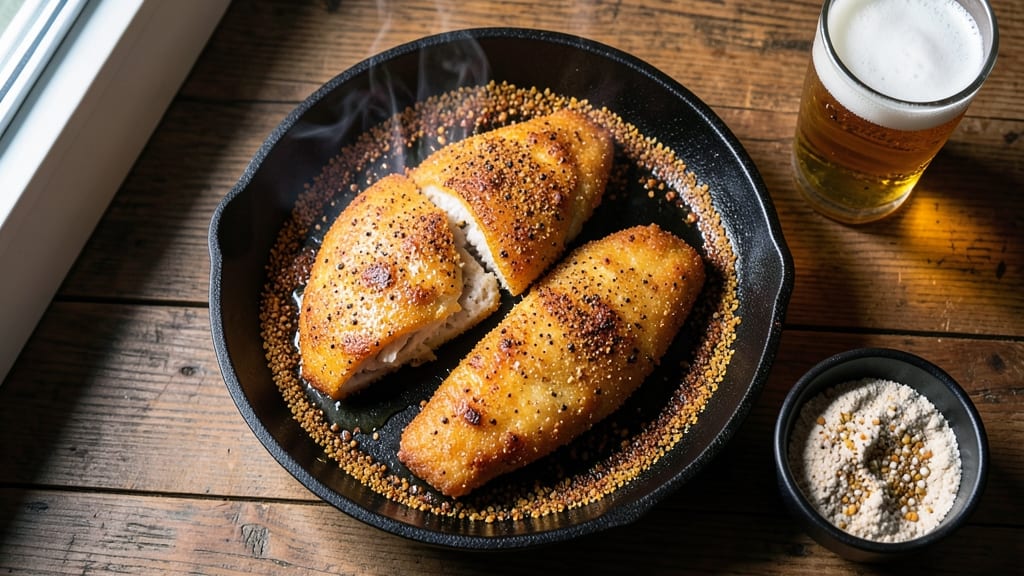
This Zatarain's fried fish recipe delivers the perfect balance of crispy cornmeal crust and juicy pink fillets that taste like your favorite Cajun restaurant.
The secret lies in a precise batter ratio and maintaining the right oil temperature—too hot, and the outside burns before the inside cooks; too cool, and you end up with greasy fish. I've perfected this technique over years of testing, and it never fails to impress, even with picky eaters.
The magic happens in the batter—a simple mix of cornmeal, flour, spices, and ice-cold liquid that creates a light, airy crust while keeping the fish tender inside. Zatarain's seasoning adds that signature Cajun kick without overpowering the delicate fish flavor.
The key is working quickly once the batter is mixed, as the cornmeal starts absorbing liquid immediately.
By the time you pull that golden-brown fillet from the hot oil, you'll have a piece of fish with a shatteringly crisp crust that gives way to flaky, moist flesh inside.
The aroma alone will have everyone gathered around your kitchen, and the first bite delivers that perfect harmony of crunch and juiciness. Serve with tartar sauce and a crisp green salad for the full experience.
This recipe works equally well with catfish, tilapia, or cod, and the technique scales from a single fillet to a crowd-pleasing feast. The instructions below walk you through every step to ensure foolproof results every time—no more guessing about oil temperatures or batter consistency.
Ingredients for zatarain's fried fish
Four key ingredients transform simple fish into restaurant-quality bites—crispy outside, juicy inside.
| Ingredient | Amount | Notes |
|---|---|---|
| White Fish Fillets 🐟 | 1 ½ lb | Catfish, tilapia, or cod preferred |
| Cornmeal 🌽 | ¾ cup | Fine grind for smooth batter |
| All-Purpose Flour 🌾 | ½ cup | Light, not heavy bread flour |
| Zatarain's Cajun Seasoning 🌶️ | 2 tbsp | Original blend preferred |
| Ice-Cold Beer 🍺 | ½ cup | Light lager or pale ale |
| Ice-Cold Water 💧 | ½ cup | For perfect batter consistency |
| Vegetable Oil 🫒 | 3 cups | High smoke point preferred |
| Salt 🧂 | 1 tsp | Kosher or sea salt |
| Black Pepper 🌶️ | ½ tsp | Freshly ground for best flavor |
| Lemon Wedges 🍋 | 4 whole | For serving, optional |
| Fresh Parsley 🌿 | ¼ cup | Chopped, for garnish |
| Tartar Sauce 🥫 | ½ cup | Store-bought or homemade |
The fish makes or breaks this. Catfish is my go-to—thick fillets stay juicy—but tilapia or cod work too. Grab fresh fillets from the seafood counter at Whole Foods or Trader Joe's, where they keep them on ice. Look for fillets with a firm texture and bright color—avoid any with a fishy smell. Pat them dry before dredging (that's non-negotiable for crispiness). The cornmeal is the secret weapon here—Bob's Red Mill fine grind is my favorite, but any fine cornmeal works. The Zatarain's seasoning? Don't skimp—it's what gives this that authentic Cajun kick.
No beer? Ice-cold sparkling water works in a pinch, but beer adds depth. The batter needs to be ice-cold—don't skip chilling the liquid. Mixing the batter too early causes the cornmeal to absorb liquid and turn gummy. For the oil, vegetable or peanut oil are best—avoid olive oil (it burns too easily). Running out of Zatarain's? Make your own mix with paprika, garlic powder, onion powder, cayenne, and thyme. The tartar sauce can be store-bought (I like Heinz) or homemade—just mayo, pickles, capers, and lemon. Fresh parsley is ideal, but dried works if you're in a bind (use half the amount).
Keep everything prepped and ready before frying—this isn't a recipe for multitasking. The oil should be at 350°F (use a thermometer, trust me). Fish cooks in 3-4 minutes per side, so have a plate ready with paper towels to drain. The batter keeps for up to 1 hour in the fridge if you're prepping ahead, but it's best fresh. Leftovers? Not recommended—the crust gets soggy. But if you must, reheat in a 275°F oven for 10 minutes to revive the crunch.
Why You'll Love This Recipe
- I swear by this trick: dredging the fillets in ice-cold beer first—yes, the beer—then the cornmeal. That’s the secret to the golden crust that shatters at the touch. No fancy techniques, just a bowl and a spatula.
- No-Fuss Crispy Magic: I swear by this trick: dredging the fillets in ice-cold beer first—yes, the beer—then the cornmeal. That’s the secret to the golden crust that shatters at the touch. No fancy techniques, just a bowl and a spatula.
- Cajun Kick Without Effort: One tablespoon of Zatarain’s Cajun Seasoning transforms this into something ridiculously flavorful. The smoky, spicy notes cut through the richness, and honestly? It’s the kind of taste that makes you want to eat it straight from the pan.
- Tailgate to Tuesday: Between us, this recipe works for everything. Pack it for a football game, serve it at a last-minute dinner, or even repurpose leftovers into fish tacos. The beer-battered texture holds up, and the Cajun spice keeps it exciting.
Step-by-step instructions for crispy cornmeal-crusted fried fish
Here's how to achieve that perfect golden crust and tender fillets every time.
Prepare the Perfect Batter
In a medium bowl, whisk together the 0.5 cup all-purpose flour, 2 tablespoons Zatarain's Cajun seasoning, 1 teaspoon salt, and 0.5 teaspoon black pepper. This dry mix forms the base of our flavor-packed crust. I like to use a whisk to break up any lumps in the flour for a smoother batter later.
In a separate bowl, combine the 0.5 cup ice-cold beer and 0.5 cup ice-cold water. The cold temperature is crucial here—it prevents the batter from activating too quickly and keeps the texture light. Add the dry ingredients to the wet mixture and stir gently until just combined. You want a thin, pourable consistency similar to heavy cream. Don't overmix or the crust will become tough.
Create the Cornmeal Coating
In another bowl, mix the 0.75 cup cornmeal with the dry ingredients. The cornmeal gives that signature crispy texture we're after. I find using fine grind cornmeal creates a smoother, more even coating compared to medium or coarse varieties.
Pat the 1.5 lb white fish fillets completely dry with paper towels—this is non-negotiable for crispy crusts. The drier the fish, the better the crust will adhere. Dip each fillet into the batter, letting any excess drip off, then immediately roll it in the cornmeal mixture, pressing gently to help the coating stick. Place the coated fillets on a wire rack set over a plate to catch any excess batter. This keeps them from sitting in liquid, which would make the crust soggy.
Heat the Oil Properly
Fill a deep skillet or Dutch oven with 3 cups vegetable oil and heat it over medium-high heat until it reaches 350°F. Use a deep-fry thermometer to monitor the temperature—this is the sweet spot for crispy crusts without burning. If you don't have a thermometer, test the oil by dropping in a small piece of bread. It should sizzle and turn golden in about 30 seconds.
Let the oil come to temperature before adding the fish. I know it's tempting to get started right away, but rushing this step leads to uneven cooking and greasy fish. The oil should be shimmering but not smoking—smoking means it's too hot and will burn your crust before the fish cooks through.
Fry to Golden Perfection
Carefully slide the coated fillets into the hot oil, working in batches if needed to avoid overcrowding. Fry for 3-4 minutes per side until they're deep golden brown and the crust is crispy. You'll see little bubbles form on the surface and the crust will look dry and golden—not wet or pale. Use tongs to turn them gently, being careful not to break the crust.
Transfer the fried fish to a paper towel-lined plate to drain excess oil. The fish will be at its crispiest right out of the oil, so serve immediately. If you need to keep them warm, place them in a 200°F oven for no more than 5 minutes—any longer and the crust will start to soften.
Serve with Classic Accompaniments
Arrange the crispy fried fish on a platter and garnish with 4 whole lemon wedges and 0.25 cup chopped fresh parsley. The lemon adds a bright contrast to the rich, spicy crust, while the parsley gives a fresh finish. Serve immediately with 0.5 cup tartar sauce on the side for dipping.
Each piece should have a crackly, golden crust that gives way to tender, juicy pink fish underneath. The Zatarain's seasoning should be noticeable but not overpowering—just enough to complement the natural flavor of the fish. If you're serving this for a crowd, work in batches to keep everything hot and crispy until served.
Pro Tips For Making Zatarain'S Fried Fish
- PAT THE FISH DRY: Dab each fillet with paper towels until they’re almost squeaky—moisture is the enemy of a crispy crust. I used to skip this, and my beer-battered fish always came out soggy inside. Trust me, the extra 30 seconds saves you from a greasy mess.
- MIX BEER AND FLOUR FIRST: Whisk the ice-cold beer into the flour before adding cornmeal—this creates a smoother batter that clings better. I learned this after my first batch turned into a lumpy, uneven disaster. The cornmeal goes in last, but the beer-flour mix is non-negotiable.
- DON’T OVERCROWD THE PAN: Fry in batches of 2-3 fillets max, or the oil temp will drop and your fish will steam instead of sear. I once crammed four in there, and they came out greasy and pale. Crowding ruins the whole point of frying—keep it tight, keep it hot.
- SEASON THE CRUST, NOT THE FISH: Toss the cornmeal with Cajun seasoning after dredging—this ensures the spice sticks to the crust, not the fish itself. I used to mix it into the flour, and half the flavor ended up in the batter instead of where it counts. Save the seasoning for the last step.
Essential equipment for this recipe
Deep Fryer Essentials
For perfect fried fish, a deep fryer like the Presto 02700 is a game-changer. It maintains consistent oil temperature and handles multiple pieces without overcrowding. If you don’t have one, a heavy-duty Dutch oven (like All-Clad Stainless Steel) works just as well.
The key is depth—at least 3 inches of oil to fully submerge the fish. 🔥
Never reuse oil for more than one batch—it breaks down quickly and can make your crust soggy. I recommend vegetable or peanut oil (both have high smoke points). For a budget option, Crisco shortening works too, though it has a slightly different texture.
Always strain the oil after frying to remove food particles for cleaner, safer reuse.
Temperature Control Tools
A deep-fry thermometer is non-negotiable—ThermoWorks Thermapen One is my top pick. It reads oil temperature instantly, preventing those dreaded burnt crusts or greasy fish. If you’re frying without a thermometer, use the bread test: Drop a small piece in—it should sizzle and turn golden in 30 seconds.
If it browns too fast, the oil’s too hot; if it cooks slowly, it needs more time.
For extra precision, I keep a small saucepan of water nearby to adjust oil temperature. If the oil gets too hot, add 1-2 tablespoons of cold oil to lower the temp.
Conversely, if it’s too cool, remove the pan from heat for 1-2 minutes to let it recover. This fine-tuning ensures your crust stays crispy without burning.
Batter Prep Station
Set up a three-bowl station: One for dry ingredients, one for wet (beer/water mix), and one for cornmeal coating. I use glass mixing bowls (like Pyrex) because they’re non-porous and easy to clean.
Keep your whisk and rubber spatula handy—the whisk combines dry ingredients smoothly, while the spatula helps coat the fish evenly without tearing the crust.
Chill your bowls in the freezer for 10 minutes before mixing to keep the batter colder longer. A small ice bath for the fish fillets (place them on a plate in the freezer for 5 minutes) prevents them from steaming in the hot oil.
Pro tip: Use long-handled tongs (like OXO Good Grips) to handle hot fish without burning yourself.
Draining & Serving Setup
Line a large baking sheet with paper towels (I use Bounty—they’re extra absorbent) for draining. Place a wire cooling rack on top of the towels to let air circulate, keeping the crust crisp.
For serving, I arrange fish on a wooden cutting board (like John Boos Maple) to add rustic charm while keeping everything warm.
A small server with slotted tongs makes plating easy—just lift the fish straight from the rack to the plate. Keep lemon wedges and tartar sauce in small ramekins (like Corelle) for an elegant touch.
For extra flair, garnish with chopped parsley right before serving—it stays fresh longer than pre-garnished dishes.
Nutrition facts
Frequently asked questions
Can I use Zatarain's seasoning blend instead of making my own?
The original Zatarain's Cajun seasoning is perfect for this recipe—it provides that authentic flavor profile with just the right balance of heat and spices. Using 2 tablespoons gives you that signature Cajun kick without needing to measure individual spices. If you prefer a milder version, reduce to 1.5 tablespoons or remove the cayenne pepper from the blend.
What's the best fish to use for this recipe?
For this Zatarain's fried fish, I recommend catfish (thick fillets stay juicy) or tilapia (mild flavor absorbs spices well). Cod works too, but avoid delicate fish like sole—they can fall apart during frying. Look for fillets with a firm texture and bright color, and pat them completely dry before dredging.
Why is my fried fish crust soggy instead of crispy?
Soggy crusts usually happen from one of three issues: wet fish (pat dry thoroughly), oil too cool (aim for 350°F), or overcrowding the pan. Fry in batches with 1-2 inches between pieces to maintain proper oil temperature. Also, drain on a wire rack (not paper towels) to keep the crust crisp after frying.
Can I make this recipe ahead of time?
While the batter can be prepped up to 1 hour ahead (store in fridge), the fish should be fried fresh for the best texture. If you must reheat, place fried fish in a 275°F oven for 5-10 minutes—just know the crust won't be as crisp. For a make-ahead option, try baking the fish instead (coat and bake at 425°F for 12-15 minutes), though frying gives the best results.
What's the best oil for frying?
Vegetable or peanut oil are ideal—they have high smoke points (400°F+) and neutral flavors. Avoid olive oil (burns too easily) or butter (low smoke point). For a budget option, Crisco shortening works well, though it gives a slightly different texture. Always strain and reuse oil for only one batch to maintain crispiness.