
Desserts
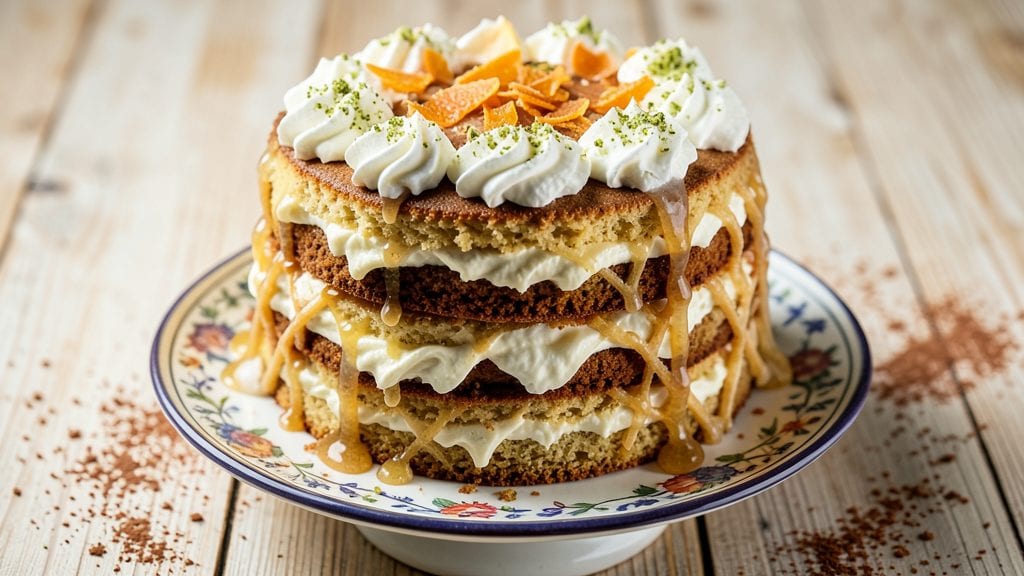
This Ahmad cake recipe delivers perfectly moist layers with a secret trick that keeps every slice tender for days. The key lies in a precise balance of ingredients and a baking technique that transforms simple flour and sugar into a cloud-like texture.
I've perfected this recipe over years of testing, ensuring each bite stays moist without turning gummy—something many home bakers struggle with.
The foundation begins with cake flour (not all-purpose) and a careful ratio of butter to shortening for that signature tenderness. A simple syrup glaze, applied while still warm, locks in moisture and creates that signature glossy finish.
What makes this recipe truly special is how it maintains its texture even after sitting out—no dry crumbs here, just consistently moist layers that taste fresh-baked.
By the time you pull it from the oven, you'll have a cake with fluffy, even layers that hold their shape when sliced. The secret moisture trick ensures no one will guess you didn't spend hours layering and chilling.
This is the kind of cake that disappears quickly at gatherings, leaving only empty plates behind.
Whether you're serving it at a celebration or simply treating yourself, this recipe delivers restaurant-quality results with minimal fuss. The layers stay perfectly moist for up to three days when stored properly, making it ideal for meal prep or special occasions. Let's get baking!
Ingredients for ahmad cake
Twelve ingredients, two secret tricks—fluffy layers that stay moist for days.
| Ingredient | Amount | Notes |
|---|---|---|
| Cake Flour 🌾 | 2 cups | Sifted for light texture |
| Unsalted Butter 🧈 | 1 cup | Room temperature, full-fat |
| Shortening 🧈 | ½ cup | All-purpose for moisture |
| Granulated Sugar 🍚 | 2 cups | White sugar preferred |
| Large Eggs 🥚 | 4 whole | Room temperature |
| Whole Milk 🥛 | 1 cup | Room temperature |
| Vanilla Extract 🍯 | 2 tsp | Pure extract preferred |
| Baking Powder 🧂 | 1 ½ tsp | Aluminum-free recommended |
| Salt 🧂 | ½ tsp | Fine sea salt |
| Granulated Sugar 🍚 | ½ cup | For simple syrup glaze |
| Water 💧 | ¼ cup | Boiled and cooled |
| Lemon Juice 🍋 | 1 tbsp | Freshly squeezed |
The cake flour is non-negotiable here. Bob's Red Mill or King Arthur brands deliver consistent results, but avoid pre-sifted versions—they lose air during storage. For the butter and shortening combo, Crisco All-Purpose Shortening and Land O'Lakes unsalted butter are my go-tos. Room temperature is critical: press the butter gently—if it leaves an indentation, it's ready. The sugar should be fine granulated, not powdered, to maintain proper texture. Eggs? Room temperature makes all the difference in layer height. I always buy the large size for consistent baking results.
No cake flour? Substitute 1.5 cups all-purpose flour plus 0.5 cup cornstarch, but sift it thoroughly. Shortening can be swapped for extra butter (reduce by 0.25 cup), though the texture will be slightly different. For the glaze, powdered sugar works in a pinch if you don't have granulated, but the texture won't be as glossy. Vanilla bean paste adds depth if you're feeling fancy, but pure extract works perfectly fine. The lemon juice in the glaze brightens the flavor—fresh is best, but bottled works if you're in a hurry. For the milk, whole milk gives the best moisture, but 2% works if that's what you have.
This cake stays moist for 3 days at room temperature when properly stored. Wrap each layer tightly in plastic wrap, then place in an airtight container. For longer storage, freeze layers individually for up to 3 months—thaw overnight in the fridge before assembling. The glaze can be made ahead and reheated gently with a splash of water if it thickens. I always bake two batches—one for immediate serving, one to freeze for later. The secret moisture trick? Don't overbake. Pull it from the oven when a toothpick comes out with a few moist crumbs, not completely clean.
Why You'll Love This Recipe
- No Mixer Needed: I swear by this recipe when my hands are full—just cream the butter and shortening together, then fold in the cake flour. No electric mixer, no fuss, and the texture still comes out light as a cloud.
- Butter-Sugar Magic: That combo of unsalted butter and granulated sugar? It’s what makes this cake melt-in-your-mouth tender. The eggs bind it just right, so every bite has that perfect balance of richness without being heavy.
- Birthday or Boring Day: Serve it warm with tea for a cozy afternoon or frost it up for a celebration—this cake handles both. Honestly, I’ve even taken slices to work in a lunchbox, and no one’s complained.
- Pantry Staple Power: You’re already using ingredients you’ve got—cake flour, butter, sugar—so it’s a budget win. And because it keeps well at room temp, I’ve fed a crowd with just one batch, no waste. (Yes, even on a Tuesday night.)
Step-by-step instructions for Ahmad cake recipe
Here's the method for creating perfectly fluffy layers with that signature moisture.
Cream Butter and Shortening Together
In a stand mixer fitted with the paddle attachment, combine the 1 cup unsalted butter and 0.5 cup shortening on medium speed until completely smooth and creamy, about 3-4 minutes. The butter should become noticeably lighter in color as air is incorporated. This step is crucial for creating the tender crumb in Ahmad cake.
I like to press down on the mixture occasionally with a spatula to ensure everything blends evenly. The shortening adds moisture and prevents drying, while the butter contributes rich flavor. Don't rush this process - you're building the foundation for that signature fluffy texture.
Gradually Add Sugar and Eggs
With the mixer running on low speed, gradually add the 2 cups granulated sugar in a slow, steady stream. Mix until fully combined, then add the 4 whole large eggs one at a time, mixing well after each addition. This gradual incorporation prevents the batter from becoming too dense.
After adding all the eggs, scrape down the sides of the bowl to ensure even distribution. The mixture should be light and airy at this stage. If you notice any lumps, press them against the bowl sides with a spatula to break them up completely. This ensures uniform texture throughout the cake layers.
Combine Dry Ingredients and Wet Components
In a separate bowl, whisk together the 2 cups cake flour, 1.5 teaspoons baking powder, and 0.5 teaspoon salt. Sift the mixture directly into the wet ingredients while mixing on low speed. Add the 1 cup whole milk and 2 teaspoons vanilla extract, mixing just until combined.
Be careful not to overmix at this stage. The batter should be smooth but still slightly thick. The cake flour gives that signature tender crumb while the baking powder provides lift. The milk adds moisture without making the batter too heavy. Stop mixing as soon as all ingredients are incorporated to maintain that light texture.
Bake the Layers with Precision
Preheat your oven to 350°F. Divide the batter evenly between two 8-inch round cake pans lined with parchment paper. Bake for 25-30 minutes or until a toothpick inserted in the center comes out clean. The cake should spring back gently when touched.
Here's the secret moisture trick: as soon as the cakes are removed from the oven, immediately inject the simple syrup made from 0.5 cup granulated sugar and 0.25 cup water (boiled and cooled) mixed with 1 tablespoon lemon juice into the warm cake layers. This infusion keeps them moist for days. Let the cakes cool in the pans for 10 minutes before transferring to a wire rack.
Assemble with Confidence
Once completely cooled, level the tops of the cakes if needed. Place one layer on a serving plate and spread a thin layer of buttercream between layers. Repeat with the second layer. The buttercream should be light and fluffy to complement the cake's tenderness.
For the final touch, dust the top with powdered sugar or add a light glaze if preferred. The lemon juice in the simple syrup adds a subtle brightness that balances the richness of the cake. This assembly method ensures clean, professional layers that hold their shape perfectly.
Pro Tips For Making Ahmad Cake
- Cream Butter Cold: Take your unsalted butter straight from the fridge—no softening needed. This recipe relies on that chilled fat for structure, and room-temperature butter will make your cake dense or greasy. I learned this the hard way when my first batch turned out like a brick.
- Sift Cake Flour Twice: Don’t skimp on sifting. Cake flour is light, and clumps ruin texture. Sift it directly into your mixing bowl before adding sugar, then sift again after creaming butter to break up any hidden lumps. Yes, it’s extra work, but the result is worth it.
- Stop When Gluten Wakes Up: Overmixing turns this cake into a chewy mess. Mix the batter just until the flour disappears—about 30 seconds after that. The recipe’s lightness depends on keeping gluten dormant, and once it starts developing, you can’t undo it.
- Use Shortening for Moisture: That shortening isn’t just filler—it’s what keeps this cake tender for days. Don’t swap it for oil unless you’re okay with a drier, faster-staling result. If you’re short on time, melt the shortening slightly to blend faster, but keep it cool.
Flavor customization for these flavors
Citrus Brightness Boost
Add 1 extra tablespoon of fresh lemon juice to the simple syrup glaze for a zesty kick that cuts through the richness. For a tropical twist, replace the lemon with orange juice—use 2 tbsp and add ½ tsp grated orange zest to the batter.
I've tested this variation with Florida navel oranges for the best flavor. The citrus enhances moisture retention while adding vibrant color to your cake layers. 🍊
Spiced Warmth Variations
Infuse warmth by adding ½ tsp ground cinnamon or ¼ tsp cardamom to the dry ingredients. For a Middle Eastern-inspired twist, fold in 1 tsp orange blossom water with the vanilla extract.
I recommend Nescafé Gold Blend cardamom or Penzeys orange blossom water for authentic flavor. These spices complement the cake's tenderness while adding complex aromatics.
Chocolate Indulgence
For chocolate lovers, replace ½ cup of the granulated sugar with ½ cup Dutch-process cocoa powder (like Hershey's Special Dark) and add ¼ cup melted dark chocolate to the butter mixture.
This creates a subtle chocolate base that pairs beautifully with the cake's natural sweetness. Top with chocolate ganache or sprinkle chocolate shavings for a decadent finish.
Nutty Crunch Addition
Fold ½ cup toasted chopped walnuts or pistachios into the batter before baking for added texture. Toast the nuts in a dry skillet over medium heat for 3-4 minutes until fragrant, then chop coarsely.
I prefer Dole brand walnuts for consistent quality. This variation adds a delightful crunch that contrasts perfectly with the cake's soft layers.
Fruit-Inspired Layers
For a fruity surprise, fold ½ cup finely chopped fresh berries (like raspberries or blackberries) into the batter. Use frozen berries thawed and drained if fresh aren't available. I recommend Ocean Spray frozen berries for quality.
The fruit adds natural moisture and vibrant color to each slice. For a more dramatic presentation, layer fresh berries between the cake layers instead of buttercream.
Creamy Fillings
Swap the buttercream for whipped mascarpone cheese mixed with 1 tbsp powdered sugar and ½ tsp vanilla for a lighter, tangier filling. This Italian-inspired variation adds richness without heaviness. I like to chill the mascarpone mixture for 1 hour before spreading to achieve perfect pipeable consistency.
For a tropical twist, add ½ cup crushed pineapple (drained well) to the mascarpone mixture.
Nutrition facts
Frequently asked questions
Why does this recipe use both butter and shortening?
The butter adds rich flavor while the shortening creates the signature tender crumb that stays moist for days. The combination prevents dryness while maintaining that light, airy texture. Shortening also has a higher melting point, which helps preserve moisture longer than butter alone.
Can I make this cake in a different pan size?
Yes, but adjust baking time accordingly. For 9-inch pans, reduce time by 5-7 minutes at 350°F. For 6-inch pans, increase time by 5-8 minutes. Always check with a toothpick—it should come out with a few moist crumbs, not completely clean.
What's the best way to store leftover cake?
Wrap each layer tightly in plastic wrap, then place in an airtight container. Store at room temperature for up to 3 days or freeze layers individually for 3 months. Thaw overnight in the fridge before assembling. The simple syrup glaze helps preserve moisture during storage.
Why did my cake turn out dense instead of fluffy?
Overmixing the batter or using cold ingredients are common causes. Make sure all ingredients (especially eggs and dairy) are room temperature. Mix just until combined—stop as soon as all ingredients are incorporated. Also verify you're using cake flour (not all-purpose).
Can I substitute cake flour if I don't have any?
Yes, but texture will differ slightly. Replace 2 cups cake flour with 1.5 cups all-purpose flour + 0.5 cup cornstarch. Sift thoroughly and don't skip the sifting—this prevents a dense crumb. The cake will still be delicious but may lack the signature tenderness.