
Sauces & Condiments
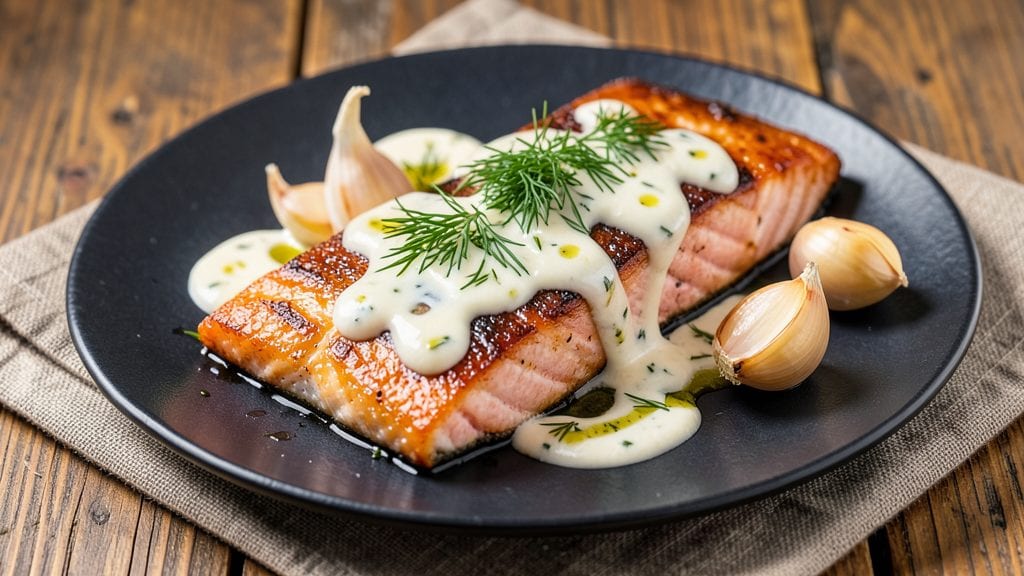
Mastering baked salmon with sauce transforms a simple weeknight dinner into a restaurant-worthy meal. The key lies in achieving perfectly crispy skin while keeping the flesh tender, then pairing it with a rich, creamy dill sauce that ties everything together.
I developed this method after years of experimenting with salmon—balancing high heat for crispness and precise timing to ensure the sauce doesn’t overpower the delicate fish.
This recipe delivers a foolproof technique that requires just 15 minutes of active prep and 12 minutes of baking, making it ideal for busy weeknights.
The salmon develops a golden, caramelized crust while staying moist inside, while the sauce—made with Greek yogurt, fresh dill, and a touch of lemon—adds a velvety, tangy contrast. Every element works together to create a dish that’s both elegant and effortless.
The result is a plate that’s visually stunning and packed with flavor: crispy-edged salmon resting on a bed of fluffy rice or roasted vegetables, drizzled with that luscious dill sauce.
The sauce’s creaminess complements the salmon’s richness without overpowering it, creating a perfect balance. This is the kind of meal that feels special without requiring hours in the kitchen.
Serve with a simple side of asparagus or a fresh salad to round out the dish. The sauce can also be made ahead and reheated gently, giving you flexibility for meal prep. Let’s get started—your table is about to look (and taste) like you’ve been cooking all day.
Ingredients for bake salmon sauce
Wild-caught salmon, crispy edges, and velvety dill sauce create restaurant-quality weeknight magic.
| Ingredient | Amount | Notes |
|---|---|---|
| Wild-Caught Salmon Fillets 🐟 | 1 ½ lb | Skin-on, center-cut for even cooking |
| Extra-Virgin Olive Oil 🫒 | ½ cup | High smoke point preferred |
| Fresh Dill 🌿 | ½ cup | Stems removed, packed tightly |
| Greek Yogurt 🧀 | 1 cup | Full-fat, unsweetened preferred |
| Lemon Juice 🍋 | 3 tbsp | Freshly squeezed, room temperature |
| Garlic Cloves 🧄 | 3 cloves | Fresh, minced finely |
| Dijon Mustard 🧂 | 1 tbsp | For depth of flavor |
| Dry White Wine 🍷 | ¼ cup | Sauvignon Blanc preferred |
| Unsalted Butter 🧈 | 2 tbsp | Cubed, for sauce richness |
| Salt 🧂 | 1 tsp | Diamond Crystal kosher salt |
| Black Pepper 🌶️ | ½ tsp | Freshly cracked, medium grind |
| Fresh Parsley 🌿 | ¼ cup | Chopped, for garnish |
| Jasmine Rice 🍚 | 1 ½ cups | Uncooked, for serving |
The salmon quality determines this dish's success—opt for wild-caught center-cut fillets with visible skin for optimal crispiness. Trader Joe's or Whole Foods carry premium options, but local fish markets often have fresher selections. Look for a vibrant pink hue and minimal odor; the flesh should spring back when pressed. For best results, pat the fillets dry with paper towels before seasoning to ensure proper browning. The skin acts as a natural barrier, so avoid removing it until the final minutes of baking.
Substitutions should prioritize texture and flavor balance. Chicken or cod fillets can replace salmon if needed, though cooking times will vary. For the sauce, plain yogurt works in a pinch if Greek yogurt isn't available, though the creaminess will be slightly reduced. The white wine can be omitted entirely, but beef or vegetable broth added at the same volume maintains acidity. Fresh herbs are ideal, but dried dill at half the amount preserves the flavor profile. Always use unsalted butter to control seasoning levels—salted butter can overpower the delicate balance.
The salmon should be baked immediately after preparation for best results, but the sauce can be made ahead and stored in an airtight container in the refrigerator for up to 5 days. For longer storage, freeze portions in ice cube trays for individual use—simply thaw and gently reheat in a saucepan over low heat. The rice should be cooked separately and held at room temperature for 15 minutes before serving to ensure even texture. Garnish with fresh parsley just before serving to maintain vibrant color and aroma, as it wilts quickly when exposed to heat.
Why You'll Love This Recipe
- No-Fuss Baking: I swear by this method—just toss the salmon on a sheet pan with olive oil and dill, then bake until flaky. No steaming, no waiting for water to boil, just hands-off perfection while you chop veggies or stir dinner.
- Creamy-Lemon Magic: That Greek yogurt and lemon juice combo? It’s the secret weapon. The sauce clings to the salmon like a hug—bright, tangy, and just rich enough to make you forget about takeout. (Yes, even on a Tuesday night.)
- Leftover Hero: Between us, this sauce keeps better than most restaurant leftovers. Slather it on toast for breakfast, mix it into grain bowls, or drizzle it over roasted potatoes. I’ve turned a single bake into three meals without breaking a sweat.
- Budget Bright Spot: Wild-caught salmon feels fancy, but here’s the thing—this recipe uses half a fillet per serving. The rest? Freeze the sauce or portion it out for later. Plus, olive oil and yogurt stretch further than you’d think, so it’s my go-to when groceries feel tight.
Step-by-step instructions for baked salmon with sauce
Here's the method for achieving restaurant-quality salmon with a velvety dill sauce.
Prepare the Salmon and Seasoning
Preheat your oven to 425°F. Pat the 1.5 lb wild-caught salmon fillets dry with paper towels, removing any remaining moisture that could prevent crispiness. Place the fillets skin-side down on a parchment-lined baking sheet.
In a small bowl, whisk together 3 tbsp lemon juice, 1 tbsp Dijon mustard, 1 tsp salt, and 0.5 tsp black pepper. This bright, tangy marinade will infuse the salmon while keeping the flesh tender. Spread the mixture evenly over both sides of each fillet, pressing gently to ensure full coverage. Let the salmon rest for 10 minutes at room temperature—this ensures even cooking and prevents overcooking the center.
Pan-Sear for Crispy Skin
Heat 0.5 cup extra-virgin olive oil in a large oven-safe skillet over medium-high heat until shimmering but not smoking. Carefully place the salmon fillets skin-side down in the skillet, pressing down gently with a fish spatula for 1 minute to ensure contact with the oil. Cook undisturbed for 2-3 minutes until the skin turns deep golden brown and crispy.
Here's the thing—if the skin releases easily from the pan, it's ready to flip. Use tongs to carefully turn the fillets skin-side up and cook for another 1-2 minutes until the edges begin to set. The salmon should register 125°F internally at this stage—it will carry over to 145°F while finishing in the oven. Transfer the skillet to the preheated oven and bake for 8-10 minutes until the salmon flakes easily with a fork.
Create the Creamy Dill Sauce
While the salmon bakes, prepare the sauce by melting 2 tbsp unsalted butter in a small saucepan over medium-low heat. Add the 3 minced garlic cloves and sauté for 30 seconds until fragrant—don't let it brown or it'll turn bitter. Pour in the 0.25 cup dry white wine and simmer for 2 minutes until reduced by half.
Remove the pan from heat and whisk in 1 cup Greek yogurt until smooth. Stir in 0.5 cup fresh dill and 0.25 cup fresh parsley, reserving a few sprigs for garnish. The sauce should be thick but pourable—if it's too stiff, thin with 1-2 teaspoons water until it reaches a creamy drizzle consistency. Season with an additional pinch of salt if needed.
Assemble and Serve
Remove the salmon from the oven and let it rest for 5 minutes before serving. The internal temperature should reach 145°F—this resting period ensures the juices redistribute, preventing dryness. Spoon the creamy dill sauce over each fillet, allowing it to cascade down the sides for an elegant presentation.
Serve immediately alongside 1.5 cups cooked jasmine rice to soak up the rich sauce. The contrast of crispy skin, tender flesh, and velvety dill drizzle creates a harmonious balance of textures. For extra brightness, squeeze a final drizzle of lemon juice over the top just before serving.
Pro Tips For Making Bake Salmon Sauce
- Dry the Salmon First: Salmon sauce recipes fail when moisture turns the pan into a stew. Pat the fillets thoroughly with paper towels—don’t just wipe, press firmly—so the olive oil grips instead of sliding off. Wet skin means uneven cooking and a sauce that’s more watery than creamy.
- Use Room-Temp Yogurt: Cold Greek yogurt will curdle when it hits hot salmon or oil. Take it out of the fridge 10 minutes before mixing—just enough to soften. If you’re in a rush, warm it slightly in a bowl over hot (not boiling) water, but stir constantly or it’ll split.
- Don’t Overmix the Sauce: The moment you fold in lemon juice and dill, stop stirring. A few gentle swirls are all you need—overworking the yogurt turns it grainy. Think "marbled" not "smooth," and the texture stays velvety. I learned this after making a batch that looked like cottage cheese.
- Bake at 375°F, Not Higher: Wild-caught salmon is delicate, and 400°F+ dries it out fast. Stick to 375°F for 12–15 minutes, then broil for 2–3 minutes only if you want a crispy top—watch it like a hawk. The sauce will finish cooking from residual heat while the salmon stays moist.
Flavor customization for these flavors
Citrus Zest Twist
Brighten the sauce with 1 tbsp orange zest or ½ tsp grated lime zest for a tropical twist. I add this with the lemon juice during marinating—it infuses the salmon with subtle citrus notes while enhancing the sauce’s vibrancy.
A splash of orange liqueur like Cointreau (just 1 tsp) in the sauce adds depth without overpowering the dill. 🍊
Herb Variations
Swap dill for fresh tarragon or chives for a completely different flavor profile. Tarragon pairs beautifully with salmon and creates an elegant French-inspired sauce, while chives add a milder, oniony brightness.
For a Mediterranean touch, blend ½ cup chopped mint with the dill—it’s refreshing and works surprisingly well with the yogurt base.
Spicy Kick Options
Add ½ tsp smoked paprika or ¼ tsp cayenne pepper to the marinade for subtle heat. For a more pronounced kick, stir 1 tbsp harissa paste into the finished sauce—it adds smoky depth and a touch of sweetness.
I like to balance the heat with an extra ½ tsp honey in the sauce to mellow the burn while keeping the flavor dynamic. 🌶️
Creamy Alternatives
For a lighter option, replace Greek yogurt with ½ cup sour cream and ½ cup crème fraîche—this keeps the sauce rich but slightly tangier. If you prefer a dairy-free version, blend ½ cup silken tofu with 2 tbsp lemon juice and 1 tbsp olive oil for a vegan-friendly base.
The texture will be slightly different but still creamy and cohesive.
Umami Boosts
Enhance the sauce’s depth with 1 tsp fish sauce or ½ tsp soy sauce, which complements the salmon beautifully. For a vegetarian option, add 1 tsp miso paste to the butter-sautéed garlic step—it adds a rich, savory complexity that pairs perfectly with the dill.
I often use white miso for a cleaner flavor, but red miso adds a deeper, slightly sweeter note.
Texture Play
For added texture, fold in 2 tbsp chopped toasted walnuts or 1 tbsp capers into the finished sauce. The walnuts add a satisfying crunch, while capers provide a briny contrast that cuts through the richness.
I like to reserve these additions until the very end so they stay fresh and vibrant. The contrast elevates the dish from simple to restaurant-worthy. ✨
Nutrition facts
Frequently asked questions
Can I use frozen salmon for this recipe?
Fresh salmon works best for crispy skin, but you can use frozen fillets if thawed properly. Place frozen salmon in a sealed bag and submerge in cold water for 30 minutes per inch of thickness. Pat completely dry before seasoning—any moisture will prevent proper browning. For best results, opt for previously frozen wild-caught salmon with skin intact.
How do I adjust the sauce for a dairy-free version?
Replace the Greek yogurt with a blend of ½ cup silken tofu and 2 tbsp lemon juice, then whisk in 1 tbsp olive oil for creaminess. Add 1 tsp cornstarch to thicken if needed. The texture will be slightly lighter but still rich and tangy. For extra depth, stir in 1 tbsp nutritional yeast to mimic the umami of dairy.
Why did my salmon turn out dry?
Overcooking is the most common cause—salmon should reach 145°F internally. Use a meat thermometer to avoid guesswork. Also, pat fillets thoroughly dry before seasoning (moisture steams instead of crisps), and never skip the 5-minute rest after baking. For thicker fillets, reduce oven time by 1-2 minutes to prevent overcooking.
Can I make the sauce ahead of time?
The sauce keeps well in an airtight container in the fridge for up to 5 days. For longer storage, freeze in ice cube trays—thaw overnight in the fridge and reheat gently in a saucepan with 1 tbsp water to restore creaminess. The herbs will stay vibrant if stored separately and added fresh before serving.
What's the best way to reheat leftovers?
Reheat gently in a skillet over low heat with 1 tbsp butter or olive oil for 2-3 minutes per side to maintain crispiness. For the sauce, warm in a saucepan over low heat with 1 tbsp water to prevent curdling. Avoid microwaving—it makes the skin rubbery and sauce watery. Serve with freshly cooked rice to revive the dish.