Side Dishes
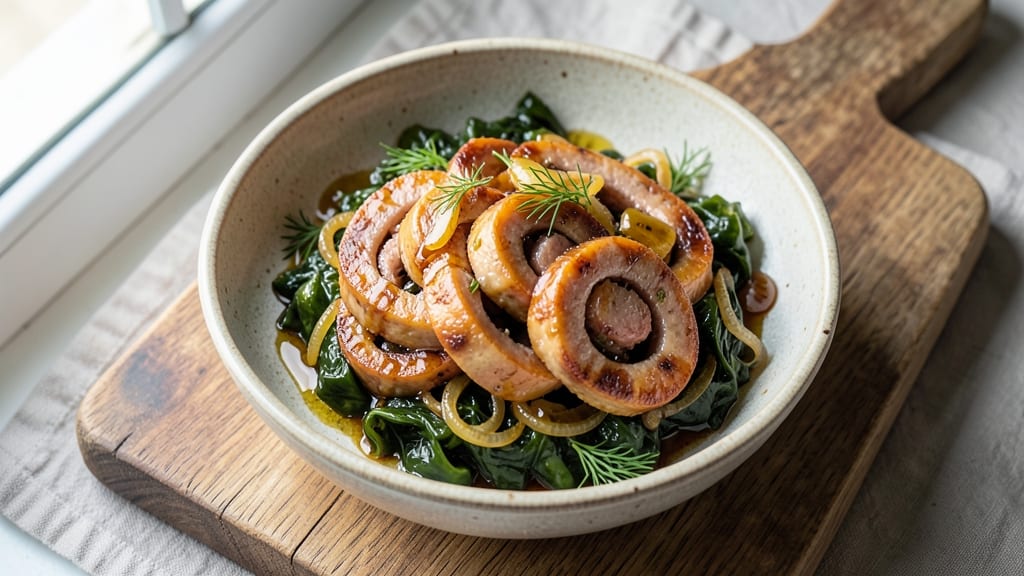
This baked kielbasa and sauerkraut recipe delivers hearty, smoky-sweet comfort in a single pan, perfect for weeknight dinners or family gatherings. The combination of tender kielbasa and tangy sauerkraut creates a dish that feels both nostalgic and satisfying, rooted in Central European traditions while simplified for modern kitchens.
I’ve perfected this method to ensure the kielbasa stays juicy and the sauerkraut absorbs just enough caramelized flavor to balance its natural tang.
The beauty of this recipe lies in its simplicity—fewer than 10 ingredients and 30 minutes of active time, yet it delivers restaurant-quality results. The kielbasa bakes until golden and fragrant, while the sauerkraut softens just enough to soak up the smoky juices without losing its signature crunch.
This dish is a celebration of bold flavors and effortless preparation, making it ideal for those who crave comfort without the fuss.
What you’ll end up with is a one-pan masterpiece: crispy-edged kielbasa slices nestled among tender sauerkraut, all infused with a deep, caramelized sweetness from the baking process.
The aroma alone will fill your kitchen with warmth, and the first bite delivers that perfect harmony of smoky, tangy, and slightly sweet notes. It’s the kind of meal that feels like a hug on a plate.
Serve this dish with buttered egg noodles or crusty bread to soak up every last bit of flavor, or pair it with a simple green salad for balance.
The versatility of this recipe makes it a staple for any occasion—whether you’re feeding a crowd or treating yourself to a cozy meal. Let’s get started on creating this smoky-sweet comfort in your own kitchen.
Ingredients for baked kielbasa and sauerkraut
Nine simple ingredients transform into smoky-sweet comfort with minimal effort and one baking pan.
| Ingredient | Amount | Notes |
|---|---|---|
| Kielbasa Sausage 🥓 | 1 ½ lb | Smoked variety, sliced lengthwise |
| Sauerkraut 🥬 | 2 cups | Drained, rinsed if too sour |
| Yellow Onion 🧅 | 1 whole | Thinly sliced for even cooking |
| Honey 🍯 | 2 tbsp | Light or dark variety |
| Dijon Mustard 🧂 | 1 tbsp | For tangy depth of flavor |
| Extra-Virgin Olive Oil 🫒 | 2 tbsp | For crispy edges on kielbasa |
| Garlic Cloves 🧄 | 3 cloves | Minced for aromatic base |
| Dried Thyme 🌿 | 1 tsp | Or fresh thyme, finely chopped |
| Black Pepper 🌶️ | ½ tsp | Freshly cracked for heat |
| Salt 🧂 | ½ tsp | Kosher or sea salt |
The kielbasa is the star here, so choose a high-quality smoked variety—look for brands like Johnsonville or Applegate at most grocery stores. The sauerkraut should be bright white and crisp, not brown or mushy, which means it's past its prime. I always grab mine from the refrigerated section at Whole Foods or Trader Joe's—their fermented options have the best tang. If your sauerkraut tastes too sharp, rinse it briefly under cold water to mellow the flavor, but don’t overdo it or you’ll lose that signature tang.
No honey? Maple syrup or brown sugar dissolved in 1 tbsp water works in a pinch, though honey’s floral notes are ideal. Short on Dijon mustard? Yellow mustard thinned with a splash of water gets you close, but the Dijon’s depth is worth tracking down. The olive oil matters for crispy edges—use something fruity and peppery, like California Early Harvest. For garlic, peel and mince it fresh—jarred minced garlic lacks the aromatic punch. Swap dried thyme for fresh at a 1:3 ratio, but the dried version is more practical for everyday use.
This dish reheats beautifully—3-4 minutes at 350°F restores all the crispy edges. Store leftovers in an airtight container for 4-5 days in the fridge, or freeze for up to 3 months. I like to portion it into single servings before freezing so I can grab just what I need. The flavors actually deepen overnight, so this tastes even better the next day. Serve with buttered egg noodles or crusty bread to soak up every last bit of smoky-sauce goodness.
Why You'll Love This Recipe
- One-Pan Magic: Honestly, I swear by this—just toss everything on a sheet pan, no chopping like a fine chef. The onions caramelize right alongside the kielbasa while the sauerkraut softens, and honestly? That’s all you need.
- Sweet-Savory Balance: Between us, the honey and Dijon mustard glaze on that kielbasa is ridiculously good. It’s got that tangy bite from the sauerkraut, a touch of sweetness from the honey, and the mustard ties it all together—like a flavor hug you didn’t know you needed.
- Leftovers for Days: I make this on Sundays and eat it for lunch all week. The kielbasa stays juicy, the sauerkraut gets even better the next day, and honestly? It’s the kind of meal that tastes just as good cold as it does hot—perfect for packed lunches or a lazy afternoon.
- Budget-Friendly Feast: Here’s what sold me—this feeds four for under $10. Kielbasa stretches far, sauerkraut is cheap, and you’re not buying fancy ingredients. Plus, it’s one of those meals where you can stretch it with bread or potatoes if you’re feeding a crowd.
Step-by-step instructions for baked kielbasa and sauerkraut
This one-pan dish delivers hearty comfort with minimal effort—just a few simple steps to smoky-sweet perfection.
Prep the Kielbasa and Onion
Preheat your oven to 375°F to give it time to fully heat while you prepare the ingredients. Unwrap the 1.5 lb kielbasa sausage and slice it lengthwise into ¼-inch thick rounds. This creates more surface area for browning and ensures even cooking throughout.
Peel and thinly slice the whole yellow onion into ⅛-inch thick rings. The thinner the slices, the faster they'll cook and the more caramelized they'll become. Transfer both the sliced kielbasa and onion to a large mixing bowl and set aside.
Create the Glazing Sauce
In a small bowl, whisk together the 2 tbsp honey, 1 tbsp Dijon mustard, 2 tbsp extra-virgin olive oil, 3 minced garlic cloves, 1 tsp dried thyme, 0.5 tsp black pepper, and 0.5 tsp salt until fully combined. The honey and mustard create a perfect balance of sweet and tangy flavors that will caramelize beautifully on the kielbasa.
Pour this glaze over the sliced kielbasa and onion in the mixing bowl. Toss gently to ensure every piece is evenly coated. Let the mixture sit for 10 minutes at room temperature—this allows the flavors to meld and the kielbasa to absorb some of the glaze, ensuring maximum flavor in every bite.
Assemble and Bake the One-Pan Dish
Transfer the kielbasa and onion mixture to a 9x13-inch baking dish, spreading it out in an even layer. Add the 2 cups sauerkraut on top, pressing down gently to help it absorb some of the glaze. The sauerkraut's tangy flavor will complement the sweetness of the honey and the smokiness of the kielbasa.
Cover the baking dish with aluminum foil and bake for 30 minutes. This initial covered baking time allows the kielbasa to cook through while keeping the sauerkraut moist. After 30 minutes, remove the foil and bake for an additional 15-20 minutes until the kielbasa is golden brown and the edges are crispy.
Rest and Serve for Maximum Comfort
Once the kielbasa is perfectly browned and the sauerkraut is heated through, remove the baking dish from the oven. Let the dish rest for 5 minutes before serving. This resting period allows the juices to redistribute, ensuring each bite is moist and flavorful.
Serve the baked kielbasa and sauerkraut hot, straight from the pan. The combination of smoky kielbasa, caramelized onions, and tangy sauerkraut creates a dish that's both comforting and satisfying. Pair it with crusty bread or a simple green salad for a complete meal.
Pro Tips For Making Baked Kielbasa And Sauerkraut
- Slice the Kielbasa First: Cut the kielbasa into ½-inch thick rounds before baking—it cooks faster and gets that perfect crispy edge without drying out. I used to bake it whole, but the center always stayed cold and rubbery, and the outside burned before the inside was done.
- Rinse the Sauerkraut: Drain and rinse the sauerkraut in cold water to cut the acidity, then squeeze out excess moisture with a clean towel. Skipping this step makes the dish taste overly sour, and soggy sauerkraut ruins the texture.
- Caramelize the Onions: Cook the onions in a dry pan until deep golden brown—about 15-20 minutes—before mixing with the rest. Sweet, jammy onions balance the tang of the sauerkraut and make the whole dish taste richer.
- Bake at 375°F: Use a moderate oven temperature (375°F) and bake the kielbasa for 20-25 minutes, flipping halfway. High heat dries it out, while low heat leaves it greasy and undercooked. This is the sweet spot for crispy edges and juicy meat.
Common mistakes when making this recipe
Overcooking the Kielbasa
Kielbasa is delicate when sliced thin, and it’s easy to dry it out if you bake it too long. I’ve ruined this dish more times than I’d like to admit by pushing the baking time past 45 minutes total.
The moment the kielbasa turns dark brown, remove it from the oven—it’ll continue cooking slightly from residual heat. Use a meat thermometer for precision: pull it out when it hits 160°F internal temperature. 🌡️
Skipping the Glaze Rest
The 10-minute rest for the glazed kielbasa and onions isn’t just a suggestion—it’s crucial. Without it, the honey and mustard won’t caramelize properly, and the flavors won’t meld. I once rushed this step and ended up with a dish that tasted more like separate ingredients than a cohesive meal.
Trust the process and let those flavors work their magic.
Using Pre-Cooked Kielbasa
Some kielbasa sausages are pre-cooked, which means they’re already fully done when you buy them. If you use these, you’ll end up with dry, rubbery slices. Always check the package—look for labels that say “fresh” or “uncooked.”
I prefer Johnsonville Fresh Kielbasa because it’s specifically designed to be cooked from raw, ensuring perfect texture every time.
Ignoring Sauerkraut Texture
Sauerkraut should be tender but still retain some bite—overcooking turns it mushy and sad. The key is adding it after the initial 30 minutes of baking, when the kielbasa is already halfway done. If your sauerkraut starts looking waterlogged, drain it well before adding it to the pan.
I like to press it gently with a spatula to help it absorb the glaze without turning into a soggy mess. 🥬
Uneven Slicing
Thick slices of kielbasa won’t brown evenly, leading to some pieces being raw while others are overcooked. Always slice them ¼-inch thick—any thicker, and you risk dry, chewy bites.
Use a sharp knife and keep your cuts consistent. I like to slice the kielbasa while it’s still cold for cleaner, more uniform pieces.
No Foil During Initial Bake
Skipping the foil cover during the first 30 minutes of baking lets the sauerkraut dry out and the kielbasa lose moisture. The foil traps steam, keeping everything juicy. If you forget, just cover the dish with foil halfway through—it’ll still turn out fine, but the texture won’t be as perfect.
Think of it like a sauna for your kielbasa and sauerkraut! 💫
Nutrition facts
Frequently asked questions
Can I substitute regular sausage for kielbasa in this recipe?
While you can use smoked sausage, kielbasa’s unique blend of spices and slightly firmer texture is what makes this dish special. For the closest flavor, look for smoked Polish sausage—it has that signature smokiness. If you must substitute, use a high-quality smoked sausage like andouille, but expect a slightly different taste profile.
How do I make this dish spicier?
Add ½ to 1 teaspoon of smoked paprika or ¼ teaspoon of cayenne pepper to the glaze for heat. For extra depth, sprinkle ½ teaspoon of crushed red pepper flakes over the sauerkraut before baking. The honey will balance the spice beautifully, so don’t be shy with the heat!
Can I prepare this ahead of time?
This dish actually tastes better the next day as flavors meld. Assemble everything (including the sauerkraut) and refrigerate uncovered for 1-2 hours before baking. For make-ahead meals, bake it fully, let it cool, then store in an airtight container for 4-5 days. Reheat at 350°F for 10-15 minutes to restore crispy edges.
What’s the best way to reheat leftovers?
For crispy kielbasa, transfer slices to a baking sheet and bake at 375°F for 8-10 minutes until heated through. For sauerkraut, reheat in a skillet with 1 tbsp butter over medium heat for 3-4 minutes. The key is high heat to restore that caramelized texture—microwaving makes everything soggy!
How do I know when the sauerkraut is done?
The sauerkraut should be tender but still hold its shape—no mushy puddle! Press it gently with a fork; if it resists slightly, it’s perfect. Overcooked sauerkraut loses its signature crunch. If yours is still too firm after baking, add it back to the pan for 5-10 minutes uncovered at the end of baking.