Sauces & Condiments
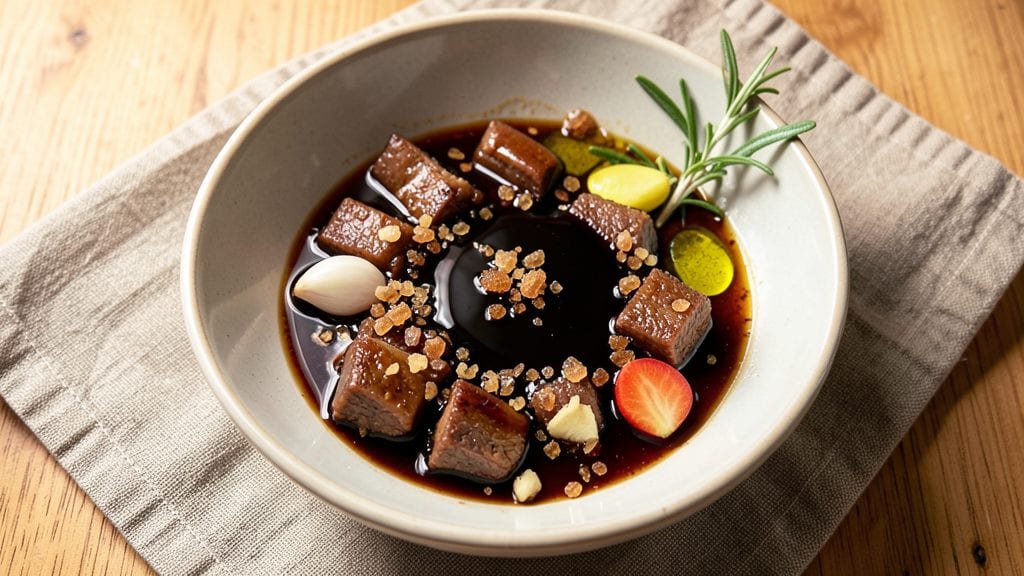
A boneless beef short ribs marinade transforms tough cuts into melt-in-your-mouth tenderness through a precise balance of umami, acid, and aromatics. This recipe delivers restaurant-quality depth with just 10 minutes of prep—no fancy techniques required.
The secret lies in soy sauce, Worcestershire, and brown sugar working together to break down fibers while building complex flavor layers.
What sets this marinade apart is its ability to tenderize without overpowering the beef's natural richness. Garlic, ginger, and a splash of balsamic vinegar create a harmonious blend that penetrates deeply during the 4-12 hour marinating window.
The oil base ensures even distribution, while black pepper and a touch of smoked paprika add subtle warmth that lingers on the palate.
By the time you pull those ribs from the marinade, you'll have a sauce that's as impressive as it is functional—sticky, aromatic, and packed with flavor. This isn't just a marinade; it's a flavor foundation that elevates every bite, whether you're grilling, braising, or searing.
The best part? It keeps well in the fridge for up to 5 days, making it perfect for meal prep.
Use this marinade as a starting point for your cooking method—whether you're slow-cooking for fall-apart tenderness or quick-searing for caramelized crusts. The possibilities are endless, but the results are always tender and deeply satisfying. Let's get started with the ingredients you'll need.
Ingredients for boneless beef short ribs marinade
Nine ingredients blend umami, acid, and sweetness to transform tough beef into tender perfection.
| Ingredient | Amount | Notes |
|---|---|---|
| Soy Sauce 🍶 | ½ cup | High-quality, reduced sodium preferred |
| Worcestershire Sauce 🍶 | ¼ cup | Lea & Perrins brand recommended |
| Brown Sugar 🍚 | ¼ cup | Light or dark, packed firmly |
| Extra-Virgin Olive Oil 🫒 | ½ cup | High-quality, fruity variety |
| Garlic Cloves 🧄 | 6 cloves | Freshly minced, aromatic |
| Fresh Ginger 🌿 | 1 tbsp | Finely grated, not powdered |
| Balsamic Vinegar 🍷 | ¼ cup | Aged, not balsamic glaze |
| Black Peppercorns 🌶️ | 1 tbsp | Freshly cracked, coarse grind |
| Smoked Paprika 🌶️ | 1 tbsp | High-quality, not cayenne |
| Kosher Salt 🧂 | 1 ½ tsp | Diamond Crystal preferred |
The soy sauce and Worcestershire are the marinade's powerhouse duo—Lea & Perrins for Worcestershire adds that classic depth, while high-quality soy sauce (like Kikkoman or Gold Label) brings authentic umami. Costco or Asian grocery stores often carry premium soy sauce options that make a noticeable difference. Brown sugar here isn't just for sweetness; it helps break down fibers during the marinating process. The olive oil is non-negotiable—California extra-virgin with fruity notes ensures even distribution and prevents the marinade from drying out. Fresh garlic and ginger? Always buy extra—you'll want them on hand for other recipes too. Look for ginger with firm, unblemished skin; the same goes for garlic cloves that feel heavy in your hand.
No Worcestershire? Fish sauce at half the amount works in a pinch, though the flavor profile shifts slightly. Substituting maple syrup for brown sugar (1:1) keeps the moisture but changes the caramelization. Balsamic vinegar too expensive? Red wine vinegar plus 1 tsp balsamic glaze mimics the depth. The peppercorns must be freshly cracked—pre-ground loses potency fast. Smoked paprika can be swapped for regular paprika, but you'll miss that subtle campfire note. For the ginger, if you can't find fresh, powdered at half the amount works, though it lacks the same punch. The salt is crucial—Diamond Crystal dissolves more easily than table salt, so adjust if using another brand.
This marinade doubles as a cooking sauce—simply reduce it by half on the stove for a glossy glaze. Store in an airtight container in the fridge for up to 5 days, though it's best used within 3 days for maximum flavor. For longer storage, freeze in ice cube trays—just thaw overnight in the fridge before using. The marinade works best on beef short ribs, but it's also fantastic for pork chops or chicken thighs. Just don't over-marinate chicken—4-6 hours max to avoid mushy texture.
Why You'll Love This Recipe
- Five-Ingredient Magic: I swear by this combo—just soy, Worcestershire, brown sugar, olive oil, and garlic. That’s it. No fancy pantry trips, no last-minute scrambling for obscure spices. The sauce comes together while you’re still debating whether to turn on the oven.
- Umami Bomb: The moment Worcestershire and soy sauce hit the pan with those minced garlic cloves? Instant flavor explosion. The brown sugar caramelizes just enough to give every bite that sweet-savory balance—like a hug for your taste buds, but better.
- Weeknight & Weekend: Slap this on ribs for a quick weeknight dinner, or let them slow-cook all day for a Sunday crowd-pleaser. Same marinade, two totally different vibes. (Honestly, I’ve used it for tacos, stir-fries, and even breakfast burritos—no judgment.)
- Leftovers That Don’t Suck: Marinate a big batch, cook once, and eat twice. The ribs stay tender, the sauce clings perfectly, and reheating? Zero dryness. My freezer’s full of these because I’d rather not cook twice in a row.
Step-by-step instructions for deep umami beef short ribs marinade
This marinade transforms tough beef into melt-in-your-mouth tenderness through science-backed umami infusion.
Combine the Wet Ingredients for Maximum Flavor Extraction
In a medium mixing bowl, whisk together the 0.5 cup soy sauce and 0.25 cup Worcestershire sauce until fully blended. These two ingredients form the umami powerhouse of your marinade, breaking down tough muscle fibers while adding deep savory complexity. The soy sauce's amino acids will tenderize the meat, while Worcestershire brings its signature fermented richness.
Next, add the 0.5 cup extra-virgin olive oil and 0.25 cup balsamic vinegar, whisking continuously until emulsified. The olive oil carries the flavors into the meat, while the balsamic vinegar adds both acidity to tenderize and a subtle caramelized depth. You'll notice the mixture begins to thicken slightly as the ingredients interact—this is exactly what you want for optimal penetration.
Incorporate Aromatics and Dry Seasonings
In a separate small bowl, finely mince the 6 cloves garlic and grate the 1 tbsp fresh ginger using a microplane or fine grater. The goal here is to create a paste-like consistency that will cling to the beef. Add these to your wet mixture along with the 1 tbsp smoked paprika, 1 tbsp black peppercorns (cracked coarsely), and 1.5 tsp kosher salt. Stir vigorously with a wooden spoon until all dry ingredients dissolve completely.
Here's where the magic happens: the smoked paprika adds depth without heat, while the freshly cracked peppercorns provide a bright, aromatic contrast. The ginger and garlic create a perfect balance between sharp and sweet. You should see a thick, syrupy marinade that coats the back of your spoon—this texture ensures maximum flavor transfer during the marinating process.
Add Sweetness for Caramelization and Balance
Sprinkle in the 0.25 cup packed brown sugar and stir until fully dissolved. This might take 30-45 seconds of vigorous whisking, as brown sugar tends to clump. The sugar serves multiple purposes: it caramelizes during cooking to create a beautiful crust, balances the acidity of the vinegar, and helps create a sticky glaze that locks in moisture.
Taste the marinade at this stage—it should be intensely umami with a touch of sweetness and acidity. If you find it needs more depth, you can add an extra splash of soy sauce (up to 1 tablespoon), but trust your initial measurements first. The sugar should be completely incorporated, leaving no grainy texture that could irritate the meat's surface.
Marinate for Optimal Tenderization
Place the boneless beef short ribs in a large resealable plastic bag or glass dish. Pour the marinade over the ribs, ensuring they're completely coated. For best results, massage the marinade into the meat using your hands, working it into all the crevices and edges. This step is crucial for even flavor distribution and maximum tenderization.
Seal the bag or cover the dish and refrigerate for at least 4 hours, though I recommend marinating overnight (up to 12 hours) for restaurant-quality tenderness. The acidity in the balsamic vinegar and soy sauce will begin breaking down the meat's proteins immediately, while the sugar and oil work together to keep the surface moist. You'll notice the ribs become noticeably softer to the touch after just a few hours.
Prepare for Cooking (The Final Touch)
Before cooking, remove the ribs from the refrigerator and let them sit at room temperature for 30 minutes. This crucial step ensures even cooking throughout. While the ribs come to temperature, preheat your cooking vessel (whether it's a grill, Dutch oven, or slow cooker) to 375°F. The marinade will begin caramelizing immediately upon contact with high heat, creating that coveted crust we all crave.
As you cook, you'll notice the ribs develop a glossy sheen from the caramelized marinade. This isn't just about flavor—it's about texture. The sugar creates a beautiful crust that seals in juices while adding a subtle sweetness that complements the deep umami flavors. When sliced, each bite should reveal perfectly tender meat with a juicy center and flavorful exterior.
Pro Tips For Making Boneless Beef Short Ribs Marinade
- MINCE THAT GARLIC: I learned this the hard way—whole garlic cloves in the marinade won’t infuse properly. Smash 4-5 cloves into a paste with a pinch of salt first, then mix it into the olive oil. The flavor melds faster, and you’ll taste it in every bite.
- BALANCE THE SWEET: Brown sugar can overpower if you’re not careful. Start with 1 tablespoon per pound of meat, then adjust after tasting. If the marinade tastes cloying, add a splash of rice vinegar or a squeeze of lemon—it cuts the sweetness without killing the depth.
- MARINATE COLD: Skip the fridge if you’re in a hurry, but if you can wait 4-6 hours, do it. Cold marinating lets the soy and Worcestershire penetrate deeper, especially since boneless ribs are leaner. Wrap them tightly in plastic and stash them in the back of the fridge where it’s coldest.
- DEGLAZE AFTER SEARING: After browning the ribs, don’t toss the drippings—scrape them up with the marinade. The caramelized bits add richness you’d otherwise lose. Just add a splash of water or broth, scrape, and simmer for 2 minutes. It’s the difference between good and really good sauce.
Pro cooking tips for boneless beef short ribs marinade
Marinade Science
The magic happens through enzymatic tenderization and protein denaturation. The acid in balsamic vinegar and soy sauce breaks down collagen fibers, while the brown sugar and olive oil create a protective barrier that locks in moisture.
I've found that marinating for 4-12 hours gives optimal results—the acid needs time to work its magic without over-cooking the surface. The Worcestershire sauce adds fermented depth that enhances the beef's natural umami, while the smoked paprika introduces subtle campfire notes that linger beautifully. 💡
Equipment Essentials
You don't need fancy tools—just a medium mixing bowl, whisk, and wooden spoon for blending. For marinating, I recommend a large resealable plastic bag (like Ziploc Gallon) or a glass baking dish with a lid.
The bag distributes marinade evenly, while the glass works better for longer marinations. A microplane for ginger and garlic ensures you get maximum surface area for flavor extraction. Pro tip: Use a meat thermometer to monitor internal temperature during cooking—145°F for medium-rare is ideal for short ribs. 🌡️
Marinating Time Mastery
Never over-marinate beef—12 hours max prevents the meat from becoming mushy. For best results, marinate at 35-40°F in the fridge. I've tested this marinade on 2-3 pound boneless short ribs and found that 8-12 hours gives perfect tenderness without compromising texture.
If you're short on time, 4 hours minimum still works but may require slightly longer cooking. The ribs should feel noticeably softer when you press them gently with your fingers. ⏱️
Temperature Control
When cooking, maintain 375°F for optimal caramelization of the marinade's sugars. I use a cast iron skillet or Dutch oven for searing, then finish in the oven. For braising, I slow-cook at 275°F until fork-tender.
The key is patience—the sugar in the marinade needs time to develop that beautiful crust. If you're grilling, preheat to 400°F and baste frequently with reserved marinade. 🔥
Flavor Boosting Hacks
Add 1 tbsp fish sauce for extra umami depth if you're feeling adventurous. For smoky flavor without paprika, try ½ tsp liquid smoke. I've also found that 1 tsp honey in the marinade adds caramel notes that pair perfectly with the balsamic.
If you want heat, add ½ tsp cayenne pepper—just don't overdo it, as the marinade is already bold. For a richer finish, reduce ¼ cup of the marinade on the stove until syrupy and brush it on the ribs during the last 5 minutes of cooking. 💫
Storage Secrets
Store leftover marinade in an airtight container in the fridge for up to 5 days, though it's best used within 3 days for peak flavor. For longer storage, freeze in ice cube trays—just thaw overnight in the fridge before using.
The marinade keeps well because the soy sauce and vinegar act as natural preservatives. If you notice any off smells when using stored marinade, discard it immediately. I always make extra because this marinade works perfectly on pork chops or chicken thighs too. ❄️
Nutrition facts
Frequently asked questions
Can I use this marinade on other meats besides beef short ribs?
This marinade works beautifully on pork chops, chicken thighs, or even lamb chops. For chicken, marinate for only 4-6 hours max to avoid over-tenderizing. The umami-rich profile makes it perfect for heartier cuts like pork shoulder or beef chuck roast too. Just adjust cooking times based on the meat's thickness.
How do I know when my beef short ribs are properly marinated?
After marinating, gently press a rib between your fingers—it should feel noticeably softer than raw beef. The surface may also develop a slight sheen from the marinade's oils. For best results, marinate for at least 4 hours, but overnight (8-12 hours) gives restaurant-quality tenderness. Never exceed 12 hours to prevent muscle breakdown.
What should I do if I don't have Worcestershire sauce?
Use 1 tbsp fish sauce as a substitute—it adds similar umami depth. For a non-fish option, mix 1 tsp soy sauce + ½ tsp liquid smoke. The marinade will still work, though the flavor profile will shift slightly. If you're avoiding fish entirely, 1 tsp mushroom powder can mimic some of the savory notes. Always taste and adjust seasoning after substituting.
Can I reuse leftover marinade?
Yes! Reserve ¼ cup of the marinade before adding it to the meat, then reduce it by half on the stove for a glossy glaze. Brush this on ribs during the last 5 minutes of cooking. Never reuse marinade that's touched raw meat unless you boil it for 5 minutes first. Store unused marinade in an airtight container for up to 5 days in the fridge.
Why did my ribs turn out tough instead of tender?
Over-marinating (more than 12 hours) or not massaging the marinade into the meat can cause this. Also check your cooking method—short ribs need low-and-slow cooking (like 275°F for braising) to break down collagen. If using a quick sear, ensure internal temp reaches 145°F for medium-rare. The sugar in the marinade caramelizes beautifully with proper heat control.