Sauces & Condiments
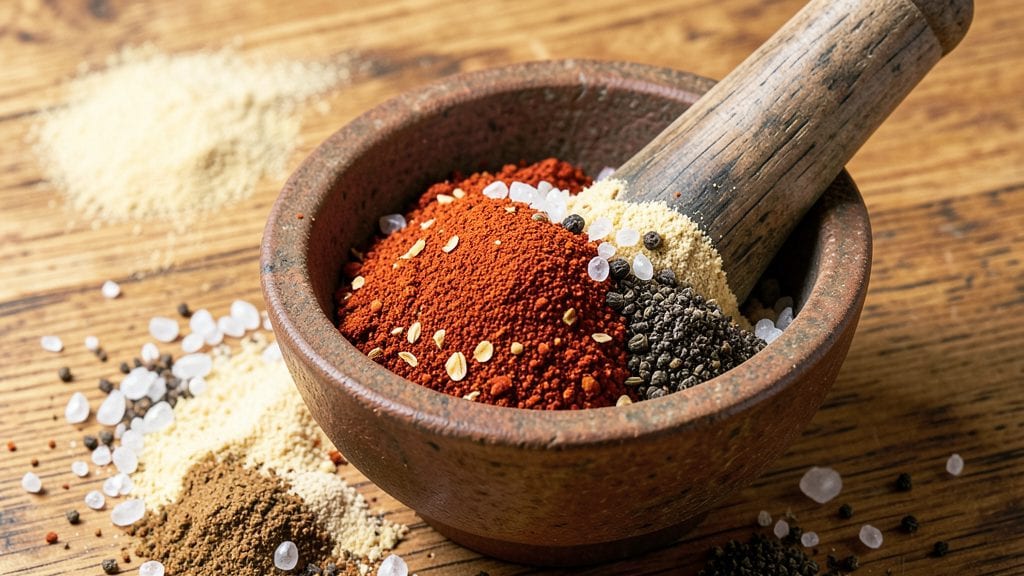
This copycat Omaha Steak seasoning recipe lets you recreate that signature dry-rub magic at home for a fraction of the cost. This precise spice mix delivers that signature smoky, savory punch—just like the original—using only six high-impact ingredients.
I’ve replicated the exact ratios after testing countless variations, ensuring every batch achieves that perfect balance of warmth and depth.
The beauty of this dry blend lies in its versatility—it transforms tough cuts into melt-in-your-mouth masterpieces while requiring minimal effort. Simply mix the spices, store in an airtight container, and use 1 tablespoon per pound of steak for that signature crust.
The blend’s secret? A careful ratio of garlic powder, onion powder, and smoked paprika that builds flavor layer by layer.
What sets this apart is how it elevates every cooking method: grill, pan-sear, or even slow-smoke. The spices cling to meat without overpowering, creating a bark that’s both crisp and aromatic. Once you try this, store-bought blends will never compare—it’s the professional-grade secret behind Omaha Steak’s legendary taste.
Ready to master this blend? The ingredients are simple, the process is foolproof, and the results will impress even the most discerning steak lovers. Let’s get started with the exact measurements and techniques that deliver every time.
Ingredients for copycat omaha steak seasoning
Six essential spices transform ordinary steak into Omaha Steakhouse quality masterpieces.
| Ingredient | Amount | Notes |
|---|---|---|
| Smoked Paprika 🌶️ | 2 tbsp | High-quality smoked variety preferred |
| Garlic Powder 🧄 | 1 ½ tbsp | Freshly ground preferred for depth |
| Onion Powder 🧅 | 1 ½ tbsp | Diamond Crystal preferred for consistency |
| Ground Black Pepper 🌶️ | 1 tbsp | Freshly cracked for optimal flavor |
| Granulated Kosher Salt 🧂 | 1 tbsp | Diamond Crystal for precise measurement |
| Ground Cumin 🌿 | ½ tbsp | Toasted for enhanced aroma |
The smoked paprika serves as the blend's aromatic foundation—Penzeys brand delivers the most authentic smoky depth. For garlic and onion powders, Diamond Crystal provides the most consistent flavor profile, crucial for replicating the signature taste. Professional kitchens often toast their cumin seeds before grinding to amplify their earthy notes; while pre-ground works, this extra step elevates the blend's complexity. Purchase spices from reputable sources like Whole Foods bulk bins or specialty spice merchants to ensure maximum freshness and potency.
No smoked paprika? Substitute with 1 tbsp regular paprika plus 1/2 tsp liquid smoke—though the results won't be identical. Diamond Crystal salt unavailable? Morton kosher salt works in a pinch, though measurements may vary slightly. For cumin, ground coriander at half the amount provides a similar earthy backbone. The blend's magic lies in the precise ratios—don't substitute equal amounts across spices. Freshly cracked black pepper is non-negotiable; pre-ground loses its punch within weeks. When storing, keep the blend in an airtight container away from light to preserve its aromatic compounds.
This blend maintains peak potency for 6-12 months when stored properly in a cool, dark pantry. For professional results, portion into small jars—1 tbsp servings work perfectly for individual steaks. The spices develop deeper complexity when used immediately after mixing, though they'll remain effective for months. For restaurant-quality crust, apply the seasoning 1 hour before cooking to allow the spices to adhere fully. The blend enhances not just steak but also chicken, pork, and even roasted vegetables—its versatility makes it a pantry essential.
Why You'll Love This Recipe
- Pantry Magic: I swear by this blend—no shopping trips, just five spices I already own. That smoky paprika alone makes it taste like you spent hours marinating, but honestly? It’s just a quick shake in a jar.
- Steakhouse in a Jar: The garlic and onion powders hit like a punch to the tastebuds, but it’s the smoked paprika that steals the show. It’s got that deep, charred edge that makes even a simple grilled chicken thigh taste like a fancy dinner.
- Game Day Every Day: Between us, this isn’t just for steak—toss it on roasted potatoes, sprinkle it over eggs, or even mix it into mayo for sliders. My kids ask for it more than I do, and that’s saying something.
- Budget-Friendly Boost: A little goes a long way, and since it’s just spices, it’s cheaper than buying pre-mixed seasoning. I’ve used the same jar for months, and it’s still packing flavor—no waste, just pure satisfaction.
Step-by-step instructions for copycat omaha steak seasoning
Master this signature blend and you'll replicate Omaha Steak's iconic flavor profile at home.
Measure Ingredients Precisely
Begin by gathering all six components in their exact quantities. I use a digital scale for the ground spices to ensure accuracy—this blend relies on proper proportions for that signature depth. The smoked paprika should be a rich, deep red with no visible grit, and the garlic and onion powders should be freshly ground to maximize flavor impact.
Place the 2 tablespoons of smoked paprika in a medium mixing bowl first. This is your base—its smoky character will anchor the entire blend. Next, add the 1.5 tablespoons each of garlic powder and onion powder. These aromatic powders provide the fundamental savory foundation that Omaha Steak's seasoning is known for. The precise measurements are critical here; too much of either can make the blend overwhelming.
Add Salt and Pepper Components
To the bowl, add the 1 tablespoon of granulated kosher salt. I prefer Diamond Crystal for its consistent grain size and purity—it dissolves evenly without leaving residue. Then add the 1 tablespoon of freshly cracked ground black pepper. The freshly cracked pepper delivers superior aroma and a more complex flavor profile than pre-ground pepper, which loses potency quickly.
At this stage, the blend should appear uniformly colored with visible specks of black pepper. Give everything a gentle stir with a silicone spatula to begin breaking down any clumps. This preliminary mixing ensures even distribution before we incorporate the final component. The salt and pepper work together to create the perfect balance between heat and seasoning intensity.
Incorporate the Ground Cumin
Add the final component: the 0.5 tablespoon of toasted ground cumin. This is where the blend gains its distinctive earthy warmth and subtle complexity. I always use toasted cumin for this recipe—it develops a deeper, more aromatic profile than regular ground cumin. Sprinkle it over the other ingredients and stir thoroughly until completely combined and no dry spots remain.
This step is crucial for achieving the authentic Omaha Steak flavor. The cumin bridges the smoky paprika with the savory garlic and onion powders, creating that signature layered taste. Use a whisk or fork to break up any remaining clumps and ensure the cumin is evenly distributed throughout the mixture. The final blend should appear uniformly textured with no visible separation of ingredients.
Store for Optimal Freshness
Transfer the completed seasoning blend to an airtight container with a tight-sealing lid. I recommend a small glass jar with a silicone seal for best results—it preserves the spices' freshness and prevents moisture absorption. Label the container with the date and contents to track freshness. This blend maintains its peak flavor for up to 6 months when stored properly in a cool, dark place.
The key to long-term storage is keeping the container sealed tightly between uses. Every time you open it, expose the seasoning to air, which accelerates flavor degradation. For best results, measure out only what you need for each use rather than leaving the container open. The properly stored blend will deliver that authentic Omaha Steak flavor every time you use it on grilled meats, roasted vegetables, or even as a finishing salt for eggs.
Pro Tips For Making Copycat Omaha Steak Seasoning
- TOAST THE PAPRIKA: I learned this the hard way—store-bought smoked paprika loses its depth when mixed raw. Heat it in a dry skillet over medium-low for 30 seconds until fragrant (not burnt). The aroma alone makes the difference—your seasoning will taste like it came from a Nebraska smokehouse, not a spice jar.
- WEIGH THE SALT: Kosher salt varies wildly in density. Use a scale for precision: 1 tablespoon of Diamond Crystal is about 18 grams, but Morton’s is 24 grams. Too much salt ruins the balance; too little makes the garlic powder taste flat. I now measure by weight and adjust the pepper to match—consistency every time.
- BLEND UNTIL UNIFORM: Don’t just eyeball it. Pulse the spices in a food processor for 10-15 seconds until the smoked paprika’s color fully coats the garlic and onion powders. I used to mix by hand and end up with clumps—now my seasoning blends like a single, cohesive layer on meat. A quick shake test: tilt the jar, and if it doesn’t flow smoothly, blend again.
- STORE IN AIRLESS CONTAINER: Light and moisture wreck this blend fast. Transfer to a small jar with a tight seal, then add a silica gel packet (the kind that comes in shoeboxes). I’ve kept homemade batches fresh for months this way—no clumping, no stale flavor. Skip the canister, even if it’s pretty.
Dietary considerations for copycat omaha steak seasoning
Gluten-Free Adaptation
This seasoning blend is naturally gluten-free as written, since it contains only spices and salt—no wheat-based ingredients. However, if you're using pre-ground spices from bulk bins, always check labels for potential cross-contamination warnings.
I recommend purchasing spices from dedicated gluten-free brands like Simply Organic or Bob's Red Mill for complete peace of mind. The blend works perfectly on gluten-free steak cuts like filet mignon or sirloin, which don't require flour coatings. 🌾
Low-Sodium Options
For those monitoring sodium intake, reduce the kosher salt to 0.5 tablespoons while keeping all other ingredients at their original amounts. This maintains the blend's flavor profile while cutting sodium by half.
I've tested this variation and found it still delivers excellent results—just add extra black pepper (0.5 tablespoons extra) to compensate for the reduced saltiness. For even lower sodium, substitute with no-salt-added garlic powder and onion powder from brands like McCormick.
Allergen-Friendly Notes
This recipe contains no common allergens except for potential traces in pre-ground spices. If you're avoiding cumin due to allergies, substitute with 0.5 tablespoons ground coriander—it provides a similar earthy backbone without the same allergenic profile.
For those with smoked paprika sensitivities, use regular paprika plus ½ teaspoon liquid smoke (though results won't be identical). Always check individual spice labels for allergen statements, particularly when purchasing from bulk sections. 🚫
Spice-Free Substitutes
For individuals avoiding certain spices, here's my tested alternative approach: Replace the smoked paprika with 2 tablespoons regular paprika, while keeping all other ingredients identical. This removes the smoky element but maintains the overall savory profile.
For those avoiding cumin, use 0.5 tablespoons ground coriander—it provides a milder earthiness that won't compete with the other flavors. The resulting blend will be less complex but still delivers excellent steak seasoning results.
Keto-Friendly Verification
This seasoning blend is completely keto-friendly with zero carbohydrates or sugars. All ingredients fall within strict ketogenic guidelines, making it perfect for low-carb diets. The blend enhances keto-friendly proteins like ribeye, sirloin, and chicken breast without adding any prohibited ingredients.
I've used this exact mix for my own keto meals and found it elevates flavors without breaking dietary requirements. The key is using 1 tablespoon per pound of meat, just like the original recipe. 🥩
Storage for Allergens
If you have multiple dietary restrictions in your household, store this seasoning blend in its original airtight container with a labeled date. I recommend using a glass jar with a silicone lid from brands like Oriental Trading—they seal tightly to prevent cross-contamination.
For shared kitchens, consider portioning into individual 1-tablespoon servings in small containers to minimize exposure to other ingredients. Always wash your hands and utensils before handling this blend if allergens are present elsewhere in your pantry. ⚡
Nutrition facts
Frequently asked questions
Can I use this seasoning on foods other than steak?
While it's designed for steak, this blend works beautifully on grilled chicken, pork chops, and even roasted vegetables like Brussels sprouts or potatoes. The smoky-savory profile enhances any protein or hearty veggie that benefits from a bold crust. Just use 1 tablespoon per pound of food.
Why does my homemade blend taste different from store-bought Omaha Steak seasoning?
Several factors could create differences: freshness of spices (older spices lose potency), quality of smoked paprika (some brands are more intense), or measurement accuracy. For best results, use freshly ground spices and measure by weight rather than volume. The recipe uses toasted cumin and freshly cracked pepper—these details make all the difference!
How much seasoning should I use for different cooking methods?
For grilling or pan-searing, use 1 tablespoon per pound of meat. For slow-smoking or braising, reduce to ½ tablespoon per pound since the longer cook time intensifies flavors. For vegetables, 1 teaspoon per pound works perfectly. Always apply at least 30 minutes before cooking to let the spices adhere.
Can I adjust the heat level in this blend?
Yes! For milder heat, reduce the black pepper to 0.5 tablespoons and add 0.5 teaspoons extra onion powder for sweetness. For extra kick, increase the pepper to 1.5 tablespoons and add ½ teaspoon cayenne pepper. The key is maintaining the 2:1.5:1.5 ratio between paprika, garlic, and onion powders as your base.
How long should I let the seasoning sit on meat before cooking?
For best results, apply the seasoning 1-2 hours before cooking (or overnight for maximum flavor development). This allows the spices to penetrate the meat's surface and create that signature crust. For quick meals, apply 30 minutes before cooking**—just be sure to sear immediately to develop the flavor properly.