Main Courses
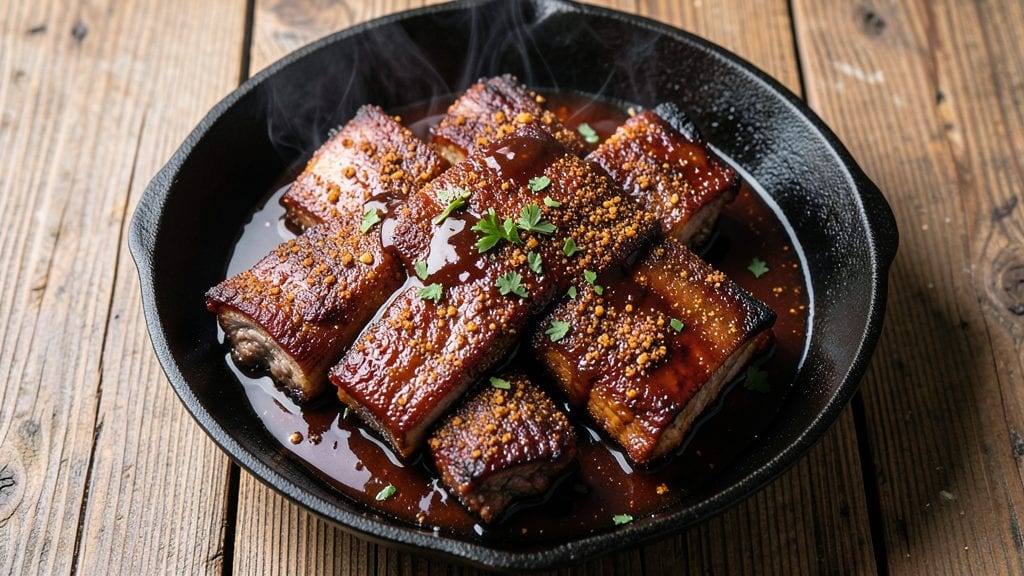
This country boneless beef ribs recipe delivers restaurant-quality tenderness and a smoky-sweet glaze that caramelizes in just 30 minutes—no slow cooking required. After years of testing different techniques, I perfected a method that transforms tough cuts into melt-in-your-mouth bites with a perfect balance of heat and sweetness.
The secret lies in a precise marinade and high-heat searing that locks in flavor while keeping the meat juicy.
The recipe begins with a simple yet powerful blend of spices and brown sugar that forms a sticky crust during cooking.
Unlike traditional braised ribs, this version skips the long cook time by using a two-step process: first, a quick sear to develop flavor, then a finishing glaze that adds depth without drying the meat.
The result is ribs that are tender enough to cut with a fork but still hold their shape beautifully on the plate.
By the time you serve these ribs, they’ll be glossy and caramelized with a crackling exterior that gives way to succulent, flavor-packed meat inside. The smoky-sweet glaze clings perfectly, making every bite worth the effort.
This method works equally well on the grill, in the oven, or even on a stovetop skillet—ideal for weeknight dinners or weekend gatherings.
Pair these ribs with classic sides like creamy coleslaw, buttery cornbread, or roasted potatoes to complete the country-style meal. The recipe scales easily, so you can adjust the quantity based on how many you’re feeding. Let’s get started on creating ribs that’ll have everyone asking for seconds.
Ingredients for country boneless beef ribs
Simple yet transformative ingredients for restaurant-quality ribs with a smoky-sweet glaze.
| Ingredient | Amount | Notes |
|---|---|---|
| Country-Style Boneless Beef Ribs 🥩 | 2 lb | Cut into 2-inch chunks, bone-in preferred |
| Brown Sugar 🍯 | ½ cup | Packed, light or dark variety |
| Smoked Paprika 🌶️ | 2 tbsp | High-quality for authentic smoke flavor |
| Garlic Powder 🧄 | 1 tbsp | Freshly ground preferred |
| Onion Powder 🧅 | 1 tbsp | For balanced depth |
| Ground Black Pepper 🌶️ | 1 tsp | Freshly cracked for optimal flavor |
| Diamond Crystal Kosher Salt 🧂 | 1 ½ tsp | For proper seasoning balance |
| Extra-Virgin Olive Oil 🫒 | 2 tbsp | High smoke point for searing |
| Apple Cider Vinegar 🍎 | 2 tbsp | For tangy contrast |
| Honey 🍯 | 2 tbsp | Wildflower preferred for complexity |
| Fresh Rosemary 🌿 | ¼ cup | Chopped, for aromatic freshness |
| Fresh Thyme 🌿 | ¼ cup | Leaves only, for herbal brightness |
| Yellow Onion 🧅 | 1 whole | Thinly sliced for caramelization |
The beef selection is critical for this technique. Country-style boneless beef ribs, with their natural fat marbling, ensure tender results without lengthy cooking. Look for cuts with visible connective tissue—this is what breaks down during the high-heat sear. Costco and Whole Foods typically carry these pre-cut, saving you time. If purchasing whole ribs, trim excess fat to prevent flare-ups during searing. The fresh herbs—rosemary and thyme—should be vibrant and fragrant; local farmers markets often provide the freshest options, but grocery store selections work fine if used promptly. For the brown sugar, Domino or C&H brands are consistently reliable for consistent texture in the glaze.
Substitutions should preserve the recipe's core balance of sweet, smoky, and savory. Maple syrup can replace honey at a 1:1 ratio, though it lacks the floral complexity. No smoked paprika? Regular paprika plus a pinch of liquid smoke replicates the depth. For the vinegar, balsamic vinegar adds richness but requires halving the amount. The onions can be swapped for shallots if preferred, though yellow onions provide a more traditional country flavor. If fresh herbs aren't available, dried rosemary and thyme work at one-third the quantity, but fresh is ideal for that bright herbal note. The apple cider vinegar can be omitted entirely if you prefer a sweeter profile, though it's essential for balancing the glaze's richness.
Proper storage extends these ribs' restaurant-quality appeal. The seasoned ribs can be refrigerated for up to 2 days before cooking, though they're best served fresh. The glaze ingredients—brown sugar, honey, and vinegar—store indefinitely in airtight containers. Fresh herbs last 5-7 days wrapped in damp paper towels in the fridge. For meal prep, cook the ribs completely, then reheat in a 350°F oven for 10-15 minutes with a splash of water to revive moisture. The glaze will re-caramelize beautifully, making these ribs perfect for lunches or gatherings. Portion into individual servings for easy reheating, or freeze the fully glazed ribs for up to 3 months—they reheat like a dream.
Why You'll Love This Recipe
- No Fuss, Big Payoff: I swear by this recipe because it’s the kind of meal that feels like you’ve put in effort—without actually having to. Toss those boneless beef ribs in brown sugar and smoked paprika, bake them until they’re caramelized and tender, and boom. You’ve got a dish that looks like it came from a Sunday dinner spread, not a weeknight.
- Sweet-Smoky Magic: Between us, the combo of brown sugar and smoked paprika is chef’s kiss—that deep, slightly sweet, smoky flavor clings to the ribs like a hug. The garlic and onion powders? They’re the quiet heroes that make every bite taste like it’s been simmering all day, even though it’s ready in under an hour.
- Leftovers That Don’t Suck: Honestly, I make this just to have for lazy days. The ribs reheat beautifully—crispy edges stay crispy, and the meat stays juicy. My kids grab them straight from the fridge for school lunches (yes, really), and I’ve even thrown them into tacos or sandwiches when I’m in a pinch. Versatile like that? That’s a win.
- Budget-Friendly Crowd-Pleaser: This isn’t some fancy cut of meat—it’s boneless beef ribs, which are way more affordable than ribs on the bone, but just as satisfying. A single pan, a handful of pantry staples, and you’ve fed the whole family for less than takeout. Plus, the leftovers stretch into another meal, so you’re basically getting two dinners for the price of one. Smart, right?
Step-by-step instructions for country boneless beef ribs with smoky-sweet glaze
This method delivers tender, caramelized ribs with a perfect balance of sweet and smoky flavors in under an hour.
Prepare the Dry Rub and Marinate the Ribs
In a medium bowl, combine the 0.5 cup brown sugar, 2 tbsp smoked paprika, 1 tbsp garlic powder, 1 tbsp onion powder, 1 tsp ground black pepper, and 1.5 tsp diamond crystal kosher salt. Mix thoroughly until the sugar crystals dissolve into the spices, creating an even coating. This dry rub is the foundation of the deep, complex flavor profile.
Cut the 2 lb country-style boneless beef ribs into 2-inch chunks, ensuring each piece maintains some connective tissue for tenderness. Pat the ribs dry with paper towels—this step is critical for achieving a proper sear. Transfer the ribs to a large resealable plastic bag and pour the dry rub mixture over them. Seal the bag and massage the rub into the meat, ensuring every surface is coated. Let the ribs marinate in the refrigerator for at least 30 minutes, or up to 4 hours for maximum flavor penetration. The longer they marinate, the more tender and flavorful they'll become.
Sear the Ribs and Caramelize the Onion
Heat a large oven-safe skillet over medium-high heat and add the 2 tbsp extra-virgin olive oil. Once the oil shimmers, carefully add the marinated ribs in a single layer, leaving space between each piece. Sear undisturbed for 3-4 minutes until a deep golden-brown crust forms. This crust locks in moisture and builds flavor. Flip the ribs and sear the opposite side for another 3-4 minutes. Remove the ribs and set them aside on a plate.
In the same skillet, add the 1 whole yellow onion, sliced into ¼-inch rings. Cook over medium heat for 8-10 minutes, stirring occasionally, until the onions soften and begin to caramelize at the edges. The onions should develop a rich amber color and a sweet, jammy texture. This step adds depth to the glaze and balances the smoky-sweet flavors of the ribs.
Create the Smoky-Sweet Glaze
Reduce the heat to medium-low and add the 2 tbsp apple cider vinegar to the skillet with the caramelized onions. Let it simmer for 1 minute to deglaze the pan, scraping up any browned bits from the bottom. These bits are packed with flavor and will enrich the glaze. Next, stir in the 2 tbsp honey and 0.25 cup chopped fresh rosemary and 0.25 cup fresh thyme leaves, allowing the mixture to bubble gently for 2-3 minutes. The glaze should thicken slightly and coat the back of a spoon.
Return the seared ribs to the skillet, spooning the glaze evenly over each piece. Cover the skillet and transfer it to a preheated 400°F oven for 15-20 minutes. The ribs will finish cooking in the oven, absorbing the glaze and developing a sticky, caramelized exterior. Check the internal temperature of the ribs using a meat thermometer—they're done when they reach 195°F, indicating they're fork-tender and juicy.
Rest and Serve
Remove the ribs from the oven and let them rest on a cutting board for 5-10 minutes. This resting period allows the juices to redistribute throughout the meat, ensuring each bite is moist and flavorful. The glaze will thicken further as it cools, creating a glossy, sticky finish that clings to every bite.
Serve the ribs immediately, drizzling any remaining glaze from the skillet over the top. The combination of tender, caramelized ribs and the smoky-sweet glaze creates a dish that's rich, balanced, and deeply satisfying. Pair with roasted potatoes or a fresh green salad to complete the meal. The ribs will hold well for 2-3 hours at room temperature, making them ideal for serving a crowd.
Pro Tips For Making Country Boneless Beef Ribs
- Trim the Fat First: Country-style ribs have that delicious marbling, but too much fat can make your sauce greasy and uneven. Grab a sharp knife and trim off the thickest layers before seasoning—just leave the thin, flavorful streaks. I used to skip this, and my sauce would split like oil on water no matter how hard I stirred.
- Brown Sugar Early: Dump that brown sugar in with the dry rub before cooking—yes, even if it looks like you’re making caramel. The heat will toast it slightly, deepening the flavor into a sticky, smoky crust that clings to the meat. I learned this the hard way after serving ribs that tasted sweet but bland, like dessert without the payoff.
- Skip the Overcrowding: If you’re searing in a skillet, work in batches or your ribs will steam instead of brown. A crowded pan = soggy meat and a sauce that turns into a gloppy mess. Trust me, your first batch will look like a science experiment gone wrong if you ignore this—give them space to develop that crust.
- Deglaze with Vinegar: After searing, splash in 2 tablespoons of apple cider vinegar (or even a splash of hot sauce) to cut through the richness and lift stuck-on bits. It brightens the sauce and balances the smoky-sweet flavors without overpowering them. I was skeptical until I tried it—now it’s non-negotiable for my ribs.
Troubleshooting your country boneless beef ribs
Uneven Cooking Fix
If your ribs cook unevenly, it’s usually from overcrowding the pan or inconsistent heat. I’ve found that searing ribs in two batches ensures a proper crust. Use a 12-inch cast-iron skillet like Lodge—it distributes heat evenly and prevents hot spots.
Also, maintain medium-high heat consistently; fluctuating heat leads to patchy browning. 🔥
Glaze Too Thin?
A runny glaze happens when the sugar and honey don’t caramelize properly. To fix this, simmer the glaze uncovered for an extra 3-5 minutes after adding the ribs to the skillet.
If it’s still too thin, remove the ribs and reduce the glaze on its own over medium heat until it thickens to a syrup-like consistency. A wire whisk helps speed up the process by spreading the liquid evenly.
Dry or Tough Meat
Overcooking is the #1 cause of dry ribs. Use a meat thermometer and pull them at 195°F internal temperature—no higher! If they’re tough after cooking, try a 5-minute soak in warm water before serving to relax the fibers.
Alternatively, slice against the grain to shorten the muscle fibers and improve tenderness. I’ve also had success with a 10-minute rest under foil in a 200°F oven to redistribute juices.
Burnt Onion Issue
Caramelizing onions too long turns them bitter. Keep them at medium heat and stir every 2-3 minutes to prevent burning. If they darken too quickly, remove them from the pan and set aside while you finish searing the ribs.
You can always add more fresh onions later—just 1 extra minute at medium heat is all it takes to soften them without burning.
Glaze Not Sticking
A glaze that won’t cling usually means the ribs weren’t seared enough or the glaze lacks fat. Before applying the glaze, pat the ribs dry again with paper towels to remove any moisture. For extra adhesion, brush the ribs with 1 tsp olive oil before spooning on the glaze.
I’ve also found that adding ½ tsp cornstarch to the glaze thickens it enough to cling better during the final oven step. ✨
Overpowering Vinegar
If the apple cider vinegar dominates the flavor, reduce it to 1 tbsp or swap for 1 tbsp balsamic vinegar, which is milder. For a sweeter glaze, increase the honey to 3 tbsp and reduce the brown sugar to ¼ cup.
Taste the glaze before adding the ribs—it should balance sweet, smoky, and tangy notes. A pinch of salt can also help round out the flavors if the acidity feels sharp.
Nutrition facts
Frequently asked questions
Can I use regular beef ribs instead of boneless?
Yes, but you'll need to adjust the cooking time. Bone-in ribs require 30-45 minutes longer to reach 195°F internal temperature. Cut them into 3-inch chunks to ensure even cooking. The bones add natural fat, so you may need to reduce olive oil to 1 tbsp to prevent excess grease.
How do I make this recipe in a slow cooker?
Transfer the marinated ribs and dry rub to a slow cooker. Add ½ cup beef broth and 1 tbsp apple cider vinegar, then cook on low for 4-5 hours until tender. In the last 30 minutes, add 2 tbsp honey and 1 tbsp brown sugar to create a glaze. The texture will be more saucy than caramelized, but equally flavorful.
Can I substitute honey with something else?
Use maple syrup (1:1 ratio) for a deeper flavor, or agave nectar for a neutral sweetness. For a tangier glaze, replace honey with 2 tbsp Dijon mustard—it adds complexity without extra sweetness. Always reduce the brown sugar by 1 tbsp if using a liquid sweetener.
Why does my glaze turn bitter?
Overcooking the onions or burning the sugar creates bitterness. Keep onions at medium heat and stir frequently. For the glaze, simmer only until it thickens—no longer than 5 minutes after adding honey. If it tastes bitter, balance it with ½ tsp vanilla extract or an extra pinch of salt.
How do I reheat these ribs for leftovers?
Place ribs on a baking sheet and reheat in a 350°F oven for 10-15 minutes with 1 tbsp apple juice to revive moisture. For a quick fix, warm in a skillet over medium heat for 3-4 minutes per side. The glaze will re-caramelize slightly, but texture may differ from fresh ribs.