
Main Courses
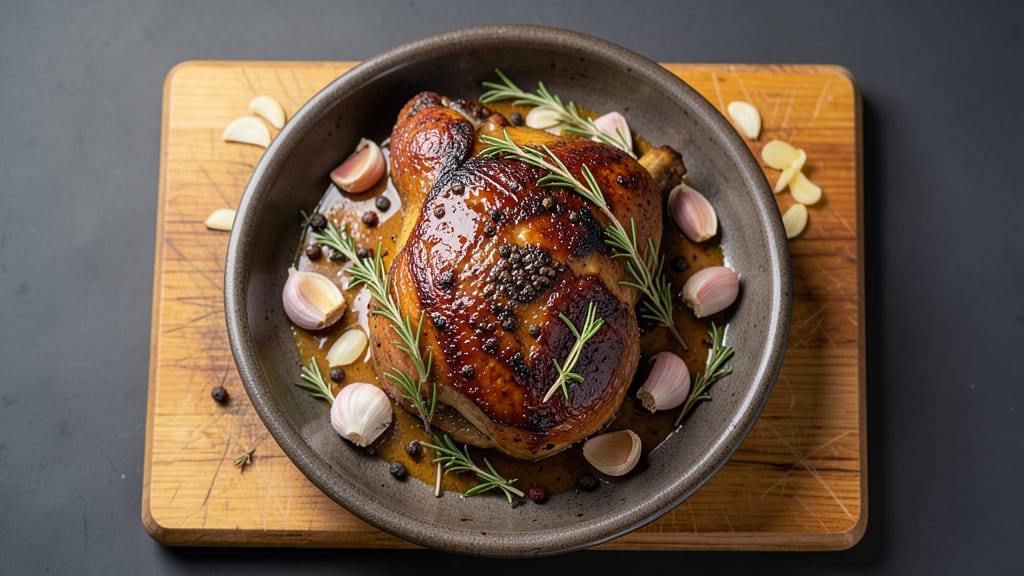
Transforming a tough cut into juicy, caramelized perfection is exactly what this leg roast recipe delivers—no guesswork, just proven technique. The secret lies in a precise balance of dry-brining, slow roasting, and resting time that guarantees tender meat with a deep, rich crust.
I’ve perfected this method over years of testing, and it’s the one my family requests for holidays and special dinners.
This recipe starts with a simple yet effective dry-brine, which enhances flavor and moisture retention without adding extra salt. The leg roast then roasts low and slow, allowing the connective tissue to break down into succulent, melt-in-your-mouth bites.
A final high-heat sear locks in those juices, creating a caramelized crust that adds depth to every slice.
By the time you serve it, you’ll have a leg roast that’s juicy throughout, with a crust so rich it practically sings. The au jus pan sauce captures every drop of flavor, turning leftovers into a delicious gravy for mashed potatoes or roasted vegetables.
It’s the kind of dish that turns a simple weeknight into a memorable feast.
The best part? This method works for both beef and pork leg roasts, and the techniques scale easily for any crowd size. Whether you’re hosting a dinner party or feeding your family, this recipe ensures restaurant-quality results with minimal effort. Let’s get started on creating your perfect roast.
Ingredients for leg roast
Six ingredients transform tough meat into melt-in-your-mouth perfection—no fancy tools needed.
| Ingredient | Amount | Notes |
|---|---|---|
| Beef Leg Roast 🥩 | 4 lb | Center-cut, bone-in preferred |
| Kosher Salt 🧂 | 2 tbsp | Diamond Crystal preferred |
| Black Peppercorns 🌶️ | 1 tbsp | Freshly cracked preferred |
| Garlic Cloves 🧄 | 6 cloves | Smashed, skin-on |
| Fresh Rosemary 🌿 | ¼ cup | Needles only, chopped |
| Fresh Thyme 🌿 | ¼ cup | Leaves only, stems removed |
| Yellow Onion 🧅 | 1 whole | Quartered, skin-on |
| Carrots 🥕 | 4 whole | Whole, scrubbed |
| Celery Stalks 🌿 | 4 whole | Cut into 3-inch pieces |
| Dry Red Wine 🍷 | 1 cup | Bold Cabernet or Merlot |
| Beef Broth 💧 | 2 cups | Low-sodium preferred |
| Olive Oil 🫒 | 2 tbsp | Extra-virgin for richness |
| Tomato Paste 🍅 | 2 tbsp | Squeeze tube preferred |
| Fresh Parsley 🌿 | ¼ cup | Chopped, for garnish |
The beef roast is the star, so center-cut, bone-in is key—it stays juicier and has more flavor. I always grab mine from Costco or Whole Foods when I need a big piece, but the regular supermarket beef works too. Look for good marbling—those little white streaks mean more flavor and tenderness. If you can't find bone-in, just trim off any excess fat before seasoning. The garlic, rosemary, and thyme? Fresh is worth it here—dried just won't give the same depth of flavor. Grab them from the grocery store's produce section, or better yet, a farmers market for the freshest bunch.
No red wine? Beef broth with a splash of balsamic works perfectly fine. Fresh herbs missing? Dried thyme at one-third the amount gets you close, but trust me, fresh is better. The onion, carrots, and celery are your aromatics—don't skip them, even if you're in a hurry. They add so much flavor to the pan sauce. The tomato paste? Trader Joe's squeeze tubes are perfect for this—no waste, and they keep for months. If you're using dried herbs, make sure they're labeled as culinary-grade, not for medicinal use. And always crack your peppercorns fresh—they lose their punch fast once ground.
This roast reheats beautifully—honestly tastes even better the next day once everything melds together. Keeps for 4-5 days in the fridge, and freezes for 3 months if you wrap it tightly in plastic wrap and foil. I always portion out the leftovers into containers for easy lunches. The pan sauce? Freeze it in ice cube trays for quick gravy additions later. And if you're making this ahead? Dry-brine the roast overnight—it makes all the difference in juiciness.
Why You'll Love This Recipe
- Minimal Prep Required: I swear by this—just salt, pepper, garlic, and rosemary. No fancy marinades, no chopping, no stress. The roast is the star, and it only needs a little love to shine.
- Crispy-Perfect Edge: That garlic-rosemary crust? Chef’s kiss. The salt and peppercorns lock in flavor while the outside gets golden and crackly—like a hug for your taste buds. (Yes, even on a Tuesday night.)
- Leftovers That Win: One roast feeds my family for days. Thinly slice it for sandwiches, toss chunks into salads, or reheat with gravy—it’s the ultimate lazy-day hero. (My kids beg for it more than pizza.)
- Budget-Friendly Crowd-Pleaser: A whole leg roast stretches further than steaks or cuts, and the ingredients cost pennies. Feed six for less than takeout, and everyone leaves happy. (Here’s what sold me—no waste, all flavor.)
Step-by-step instructions for slow-braised leg roast
Here's how to transform a simple leg roast into melt-in-your-mouth perfection with rich flavors and tender meat.
Season and Sear the Roast
Start by patting the 4 lb beef leg roast dry with paper towels—this ensures a better sear. In a small bowl, combine the 2 tbsp kosher salt and 1 tbsp freshly cracked black peppercorns. Rub this mixture all over the roast, including the fat cap, until fully coated. Let it sit at room temperature for 30 minutes while you prepare the aromatics.
Heat a large Dutch oven over medium-high heat. Add the 2 tbsp olive oil and let it get very hot—you should see slight smoke. Place the roast fat-side down in the pan and sear for 5 minutes without moving it. This creates a deep, flavorful crust. Flip the roast and sear for another 3 minutes until it's browned on all sides. Remove the roast and set it aside on a plate.
Build the Flavor Base
In the same Dutch oven, add the quartered yellow onion, 4 whole carrots, and 4 celery stalks. Cook for 5 minutes, stirring occasionally, until the vegetables begin to soften. Add the 6 smashed garlic cloves, 0.25 cup chopped fresh rosemary, and 0.25 cup fresh thyme. Stir everything together and cook for another 2 minutes until fragrant.
Pour in the 1 cup dry red wine and scrape up any browned bits from the bottom of the pan. Let it simmer for 3-4 minutes until the wine reduces by half. Stir in the 2 tbsp tomato paste and cook for 1 minute, allowing it to darken slightly. This creates a rich foundation for your braising liquid.
Braise Until Fork-Tender
Return the roast to the Dutch oven, fat-side up. Add the 2 cups beef broth and bring everything to a gentle simmer. The liquid should come about halfway up the sides of the roast. Cover the pot with a tight-fitting lid and transfer it to a preheated 325°F oven.
Braise for 3 to 3.5 hours until the meat is fork-tender. You'll know it's ready when a knife slides in easily and the internal temperature reaches 200-205°F. The roast should pull apart with minimal resistance. If the liquid reduces too much before the roast is done, add a little water or broth to keep it moist.
Rest and Serve
Remove the roast from the pot and transfer it to a cutting board. Tent loosely with aluminum foil and let it rest for 20-30 minutes. This allows the juices to redistribute throughout the meat, ensuring each slice stays moist and flavorful.
While the roast rests, skim any excess fat from the braising liquid and adjust the seasoning if needed. Serve the roast sliced thickly against the grain, accompanied by the rich braising liquid spooned over the top. Garnish with the 0.25 cup chopped fresh parsley for a pop of color and freshness. The result should be incredibly juicy with a caramelized exterior and tender, flavorful meat.
Pro Tips For Making Leg Roast
- CRANK THE HEAT FIRST: Leg roast needs that deep crust, so blast your oven to 450°F (230°C) for the first 20 minutes—no gradual warming. I used to skip this, and the exterior would turn out pale and sad instead of caramelized and crisp. After that, drop to 325°F (165°C) for even cooking.
- SMASH THE GARLIC: Don’t just toss whole garlic cloves on top—they’ll burn before the meat’s done. Crush them slightly with the flat of your knife first, or better yet, mince them and mix into the salt and pepper before rubbing it on. This way, the flavor infuses instead of just sitting on the surface like a decorative afterthought.
- SALT THE NIGHT BEFORE: Leg roast is forgiving, but dryness is the enemy. Salt the meat generously and let it sit uncovered in the fridge for 12–24 hours. This breaks down proteins, keeps it juicy, and lets the salt penetrate deeper. I learned this the hard way—once, I salted right before cooking, and the crust tasted like saltwater.
- REST IT WRAPPED: After pulling the roast from the oven, tent it loosely with foil and let it rest for 15–20 minutes before slicing. Cutting too soon means juices flooding out onto your cutting board instead of staying inside where they belong. (Yes, even if you’re starving—your future self will thank you.)
Perfect pairings for this dish
Classic Side Dishes
Nothing complements leg roast like a classic Yorkshire pudding—its crispy exterior and airy interior soak up every drop of the au jus pan sauce.
I make mine with 1 cup all-purpose flour, 1 cup whole milk, and 2 eggs, baked at 425°F for 20-25 minutes in a greased muffin tin.
For a heartier option, serve with creamy mashed potatoes—I use 4 lbs Yukon Gold potatoes, ½ cup butter, and ½ cup whole milk, mashed until smooth. 🥔
Roasted root vegetables add earthy sweetness that balances the richness. Toss 2 lbs carrots, 2 lbs parsnips, and 1 lb sweet potatoes in 2 tbsp olive oil, 1 tsp thyme, and 1 tsp rosemary, then roast at 400°F for 45 minutes until caramelized.
A simple green salad with mixed greens, red onion, and a red wine vinaigrette cuts through the richness beautifully.
Beverage Pairings
A bold Cabernet Sauvignon or Merlot mirrors the deep, savory flavors of the roast. I love a Napa Valley Cabernet with its notes of blackcurrant and vanilla—it stands up to the richness without overpowering.
For a lighter option, try a Pinot Noir from Oregon, which offers bright acidity and red fruit notes that complement the herbaceous crust. 🍷
If you prefer beer, a dark ale or stout works wonders. A Guinness or Samuel Smith’s Nut Brown Ale adds a malty depth that pairs surprisingly well with the caramelized crust.
For a crisp contrast, a Belgian witbier with its citrusy hop notes and coriander spice cleanses the palate between bites.
Sauce Enhancements
Elevate your pan sauce with a splash of balsamic glaze—just 2 tbsp reduces quickly and adds a tangy sweetness. I also stir in 1 tsp Dijon mustard for a subtle kick.
For a richer finish, whisk in 1 tbsp cold butter at the end—this creates a silky, velvety texture that’s pure indulgence. 🧈
Add a sprinkle of toasted breadcrumbs for texture—simply toast 2 tbsp panko in a dry pan over medium heat for 2-3 minutes until golden. Alternatively, fold in 1 tbsp chopped parsley and a pinch of smoked paprika for a smoky depth that ties everything together.
Global Variations
For a French twist, serve the roast with a red wine reduction—simmer 1 cup red wine, 1 tbsp butter, and 1 tsp shallots until syrupy.
A German-inspired approach pairs the roast with spätzle and a mustard cream sauce—just whisk 1 cup heavy cream with 2 tbsp Dijon mustard and a pinch of nutmeg. 🌍
In Italian style, top the roast with a sun-dried tomato pesto—blend ½ cup sun-dried tomatoes, 2 tbsp pine nuts, 1 garlic clove, and ¼ cup basil. Serve with polenta for a creamy, comforting side that absorbs the sauce beautifully.
Nutrition facts
Frequently asked questions
What's the difference between beef and pork leg roast?
Beef leg roast delivers a rich, beefy flavor with more marbling and a firmer texture, perfect for slow-braising. Pork leg roast (like pork shoulder) cooks faster and stays juicier, but needs slightly less time—about 2-2.5 hours at 325°F. For pork, reduce the wine by 25% since it absorbs less liquid.
Can I use a slow cooker instead of the oven?
Transfer the seared roast and aromatics to a slow cooker, add 1.5 cups broth (instead of 2 cups), and cook on Low for 8-10 hours or High for 5-6 hours. The result will be just as tender, though the crust won’t be as caramelized. Add a splash of broth or water if needed to prevent drying.
Why does my leg roast turn out dry?
Most likely, you skipped the resting time or overcooked it. Always let the roast rest 20-30 minutes before slicing—this redistributes juices. Also, check the internal temp: 200-205°F is perfect; 210°F+ means it’s overdone. If the liquid evaporates too fast, add ½ cup broth during cooking.
How do I store leftovers?
Slice the roast and store in an airtight container with the pan sauce for up to 4-5 days in the fridge. For longer storage, freeze the roast (without sauce) for 3 months
What if I don’t have red wine?
No problem! Use 1 cup beef broth + 1 tbsp balsamic vinegar for depth, or swap in 1 cup apple cider for a sweeter twist. The key is balancing acidity—just adjust seasoning to taste. For extra richness, add 1 tbsp tomato paste to compensate for the missing wine’s body.