
Main Courses
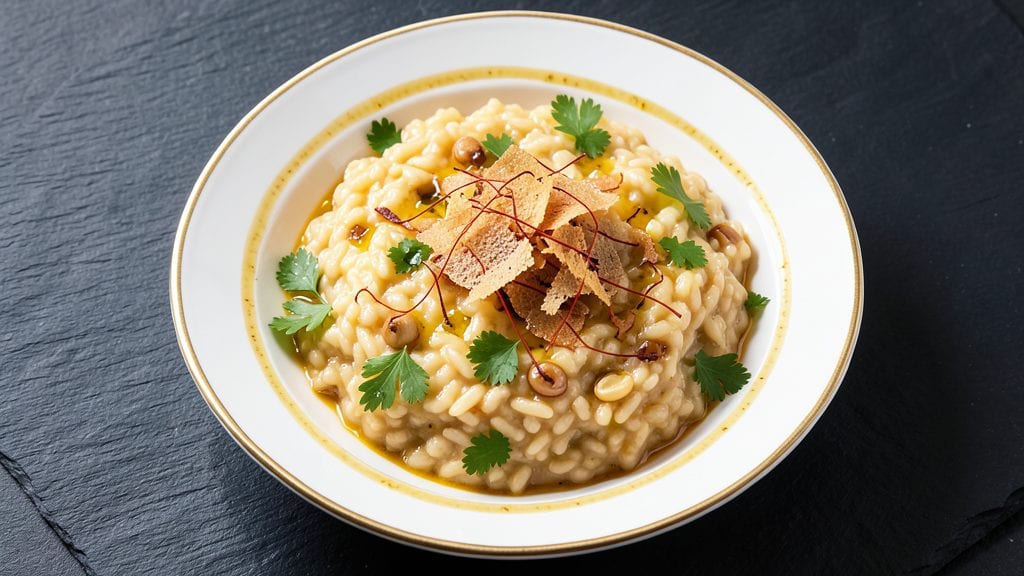
Recreating Marco Pierre White’s signature risotto at home delivers restaurant-quality creamy perfection—every bite balances rich depth with delicate texture. The secret lies in slow, steady broth absorption and precise timing to achieve that signature al dente rice.
I’ve refined this method over years of practice to capture the chef’s signature intensity without complexity.
This recipe focuses on three critical elements: high-quality saffron for aromatic warmth, constant stirring to release starches, and finishing with butter and Parmesan for unmatched richness. The broth-to-rice ratio is 1:1.5, ensuring each grain cooks evenly while developing the signature creamy consistency.
Professional results demand patience, but the reward is worth every minute.
What you’ll achieve is a velvety risotto with golden saffron threads, perfectly al dente grains, and a luxurious mouthfeel that rivals Michelin-starred plates. The texture transforms from dry to creamy as you cook, creating that signature "risotto moment" where the dish becomes irresistibly smooth.
This is the kind of dish that elevates any meal into a celebration.
The technique translates seamlessly to weeknight cooking—just prepare the broth ahead and follow the timed additions. Serve immediately with a sprinkle of black pepper and extra Parmesan for that final touch of sophistication. Let’s make risotto that feels like a masterclass in home cooking.
Ingredients for marco pierre white risotto
The foundation of Marco Pierre White's signature risotto lies in these 13 carefully selected ingredients.
| Ingredient | Amount | Notes |
|---|---|---|
| Arborio Rice 🍚 | 1 ½ cups | Unrinsed, toasted for starch release |
| Saffron Threads 🌼 | ¼ tsp | Premium quality, steeped in warm water |
| Chicken Stock 🥄 | 4 ½ cups | Homemade, low-sodium preferred |
| Extra-Virgin Olive Oil 🫒 | ¼ cup | High-quality, fruity variety |
| Shallots 🧅 | 2 whole | Finely minced, 2 tbsp total |
| Garlic Cloves 🧄 | 3 cloves | Peeled, minced |
| Dry White Wine 🍷 | ½ cup | Bold, dry variety |
| Unsalted Butter 🧈 | 4 tbsp | European-style preferred |
| Parmesan Cheese 🧀 | ½ cup | Freshly grated, aged 24+ months |
| Diamond Crystal Kosher Salt 🧂 | ½ tsp | Fine grain preferred |
| Freshly Ground Black Pepper 🌶️ | ¼ tsp | Cracked peppercorns preferred |
| Heavy Cream 🥛 | ¼ cup | Full-fat, chilled |
| Lemon Zest 🍋 | 1 tsp | Organic, finely grated |
Saffron is non-negotiable here—Spanish or Iranian threads deliver the deepest aroma. Penzeys Spices carries the highest quality, but even a small 2-gram vial from a specialty market suffices. Toast the Arborio rice in olive oil until translucent; this step releases starches for that signature creamy texture. Shallots should be finely minced—almost paste-like—for even distribution. The Parmesan must be freshly grated; pre-shredded contains anti-caking agents that disrupt texture. For the stock, homemade is ideal, but high-quality low-sodium brands like Kitchen Basics work in a pinch.
No saffron? Turmeric at 1/8 tsp mimics color but lacks aroma—use alongside a pinch of mace for depth. Substitute white wine with dry vermouth or additional stock, but avoid sweet varieties. For dairy, cultured butter adds complexity if heavy cream isn't available. The lemon zest can be omitted if you prefer a neutral finish, but it brightens the dish beautifully. If using pre-minced garlic, pat it completely dry to prevent broth from diluting. For the rice, Carnaroli or Vialone Nano are premium alternatives to Arborio, though they require slightly less liquid.
Saffron-infused water keeps for 3 days refrigerated in an airtight container. Toasted rice can be prepped 1 day ahead and stored in a sealed container. The finished risotto must be served immediately—no reheating—as the texture degrades rapidly. For make-ahead convenience, prepare the saffron infusion and stock ahead, then assemble the risotto fresh. The Parmesan and butter can be combined in advance and stored up to 2 weeks in the freezer for quick finishing.
Why You'll Love This Recipe
- Saffron Magic in Minutes: That golden thread of saffron? It turns plain rice into something luxurious—no fancy techniques needed. Just a pinch dissolved in warm stock while you stir, and suddenly your kitchen smells like a Tuscan sunset.
- One-Pot, One Focus: No chopping frenzy here. Shallots get a quick sauté, then the rice takes over while you tend to the stock. My hands stay clean, my mind stays relaxed—because risotto doesn’t require multitasking miracles.
- Leftover Powerhouse: The next day, this risotto gets even better. Reheat with a splash of stock and a drizzle of oil, and it’s creamy perfection again. I keep a batch in the fridge for lazy lunches or quick weeknight dinners—zero stress, maximum satisfaction.
- Budget Luxury: Saffron threads might sound fancy, but a tiny pinch goes a long way. The rest of the ingredients? Basic pantry staples that won’t break the bank. It’s the kind of dish that feels indulgent without the indulgent price tag.
Step-by-step instructions for Marco Pierre White risotto
Master the technique behind this legendary risotto—creamy texture, al dente rice, and saffron depth.
Prepare the Saffron Infusion and Base
Steep the 0.25 teaspoon saffron threads in 2 tablespoons of the 0.5 cup dry white wine for 10 minutes at room temperature. This gentle infusion extracts maximum color and aroma without bitterness. Meanwhile, heat the 0.25 cup extra-virgin olive oil in a heavy-bottomed pot over medium heat. Add the 2 whole shallots and 3 cloves garlic cloves, cooking until softened but not browned—about 5 minutes. This aromatic base forms the flavor foundation.
Watch the shallots closely—they should turn translucent and emit a sweet, oniony fragrance. If they darken, reduce heat immediately. Remove from heat and set aside temporarily. The saffron-infused wine will be used later to deglaze the pot and infuse the rice with its signature hue.
Toast the Arborio Rice and Deglaze
Return the shallot mixture to medium heat and add the 1.5 cups arborio rice, stirring constantly for 2 minutes until each grain develops a faint golden patina. This "toasting" releases starches that will later create the signature creamy texture. Add the 0.5 cup dry white wine (now saffron-infused) and stir vigorously until fully absorbed—this typically takes 3-4 minutes. The rice should appear dry but slightly glossy, indicating proper starch activation.
Here's the critical moment: the rice must absorb all liquid before adding more stock. If it remains wet after stirring, continue cooking until dry. This step prevents gummy rice and ensures proper al dente development later.
Cook the Risotto with Gradual Stock Additions
Add 1 cup of the 4.5 cups chicken stock and 1 tablespoon of the 4 tablespoons unsalted butter, stirring constantly. Maintain medium-low heat and cook until the liquid is nearly absorbed—about 5-6 minutes. Add another 1 cup stock and 1 tablespoon butter, repeating this process every 5 minutes while stirring frequently. The risotto should develop a velvety consistency with individual grains still visible.
This gradual addition of liquid is non-negotiable—it builds the creamy texture through released starches. Never add all stock at once, as this would produce mushy rice. The cooking time should total 18-20 minutes from when you first added stock. Taste occasionally; the rice should be tender but still offer slight resistance when bitten.
Finish with Cream and Seasoning
When the rice is nearly tender but still slightly firm to the bite (about 18 minutes total cooking time), remove from heat. Stir in the 0.25 cup heavy cream, 0.5 cup parmesan cheese, 0.5 teaspoon diamond crystal kosher salt, and 0.25 teaspoon freshly ground black pepper. Add the 1 teaspoon lemon zest and the remaining 1 tablespoon unsalted butter, folding gently to incorporate. The lemon zest brightens the rich flavors while the butter adds luxurious mouthfeel.
Return to low heat for 1-2 minutes only if needed to reach desired creaminess. The risotto should be thick enough to coat the back of a spoon but still maintain distinct rice grains. Overcooking at this stage will turn it gluey. Taste and adjust seasoning—Marco Pierre White's risotto balances rich creaminess with bright acidity and salty depth.
Pro Tips For Making Marco Pierre White Risotto
- STIR CONSTANTLY: Marco Pierre White’s risotto relies on aggressive stirring—don’t just move the rice around, churn it like you’re mixing batter. The goal is to toast the grains evenly and prevent them from sticking to the pot, which turns your creamy risotto into a gluey mess. I used to think “stirring” meant a lazy sweep of the spoon—wrong. Keep that wrist moving.
- TOAST THE RICE FIRST: Before adding stock, cook the Arborio rice in olive oil over medium-high heat until it’s golden and slightly translucent at the edges (about 2-3 minutes). This builds flavor and prevents a pasty texture. Skip this step, and your risotto will taste flat—like you used instant rice instead of the good stuff.
- SAFFRON SOAKS BETTER: Don’t just toss saffron threads into the pot—they’ll clump and turn your risotto a weird, murky yellow. Crush them lightly with your fingers (or a mortar and pestle) and steep in 2 tablespoons of warm stock for 10 minutes first. This extracts the color and the floral aroma without bitterness. (Yes, even if you’re impatient like me.)
- STOCK TEMPERATURE MATTERS: Use hot stock straight from the stove, not lukewarm. Cold stock slows down cooking and dilutes the rice’s starch release, leaving you with undercooked grains. Keep a pot of stock simmering nearby and ladle in fresh batches as you go—no shortcuts here. Your future self will notice the difference.
Essential equipment for great marco pierre white risotto
Heavy-Bottomed Pot
A wide, heavy-bottomed pot with a capacity of at least 3 quarts is essential for even heat distribution. I recommend a stainless steel pot like the All-Clad D5 or Le Creuset Dutch oven—both conduct heat evenly and prevent scorching.
Avoid nonstick pans; they don’t distribute heat properly and can release harmful fumes when overheated. The pot should have sloped sides to make stirring easier as the risotto thickens. 🔥
Thermometer for Precision
While not strictly necessary, a kitchen thermometer ensures your stock stays at 195-200°F—the ideal temperature for gradual absorption. I use a Thermoworks ThermoPop for its accuracy and durability. If your stock boils, reduce heat immediately to prevent overcooking the rice.
For a budget-friendly option, the OXO Good Grips works well too. This small investment prevents the most common risotto mistake: mushy, overcooked grains.
Wooden Spoon for Stirring
A long-handled wooden spoon is a must for constant stirring without scratching your pot. I prefer a 12-inch model with a wide, flat head—like the OXO Good Grips—to efficiently scrape up the bottom and release starches.
Avoid metal spoons, which can react with acidic ingredients like wine or lemon zest. The wooden spoon also helps gauge doneness: when the risotto clings slightly but still shows individual grains, it’s ready. 💫
Fine-Mesh Strainer for Saffron
For the saffron infusion, a fine-mesh strainer removes threads without losing precious liquid. I use a 3-inch stainless steel strainer from Norpro—it’s sturdy and easy to clean. If you don’t have one, a cheesecloth works in a pinch.
Steep the saffron in warm water for 10 minutes before adding it to the wine; this extracts maximum color and aroma without bitterness. Never skip this step—it’s what gives Marco Pierre White’s risotto its signature golden hue.
Microplane for Zesting
A Microplane is perfect for finely grating lemon zest and Parmesan cheese without the bitter pith. I use the OXO Good Grips model—it’s durable and produces an ultra-fine texture that blends seamlessly into the risotto. For Parmesan, grate it just before serving to preserve its sharpness.
Pre-shredded cheese contains anti-caking agents that dull the flavor and disrupt the creamy texture. A sharp zester works too, but a Microplane gives you more control over the amount. 🍋
Timer for Consistency
Risotto requires precise timing—every 5 minutes of cooking matters. I set a countdown timer (or use my phone’s alarm) to remind me when to add the next batch of stock. This ensures the rice absorbs liquid gradually, developing that signature creamy texture without turning mushy.
For extra reliability, a dual-timer like the Cuisinart CT-150 lets you track both the saffron infusion and cooking process simultaneously. Never rush this step; patience is the key to restaurant-quality risotto. ⏱️
Nutrition facts
Frequently asked questions
Why does Marco Pierre White's risotto need saffron?
The saffron adds a delicate floral aroma and vibrant golden color that defines this dish. Saffron contains crocin and picrocrocin compounds that create its signature hue and subtle bittersweet notes, balancing the richness of butter and cream. Without it, the risotto would lack its signature depth and visual appeal.
Can I substitute Arborio rice with another type?
For best results, stick with Arborio rice—it has high starch content that creates the creamy texture. Carnaroli or Vialone Nano work well too, though they require slightly less liquid. Avoid long-grain rice like basmati, as it won't develop the same velvety consistency.
What's the secret to creamy risotto without heavy cream?
The creaminess comes from the rice's natural starches, released through gradual cooking with broth. Stirring constantly and adding butter at the end enhances the mouthfeel. For a dairy-free version, use coconut cream instead of heavy cream and omit the butter finishing.
How do I fix mushy risotto?
If your risotto turns mushy, it likely absorbed too much liquid too quickly. To salvage it, remove from heat immediately and stir in 1 tablespoon of cold butter and 1 tablespoon of grated Parmesan. This helps tighten the texture. For future attempts, reduce the broth by 0.5 cup and stir more frequently.
Can I make this ahead of time?
Risotto is best served immediately, but you can prep components ahead. Toast the rice and make the saffron infusion up to 1 day ahead. For the stock, use a slow cooker to keep it warm at 195°F. Assemble the risotto fresh—never reheat, as it will break down the texture.