
Desserts
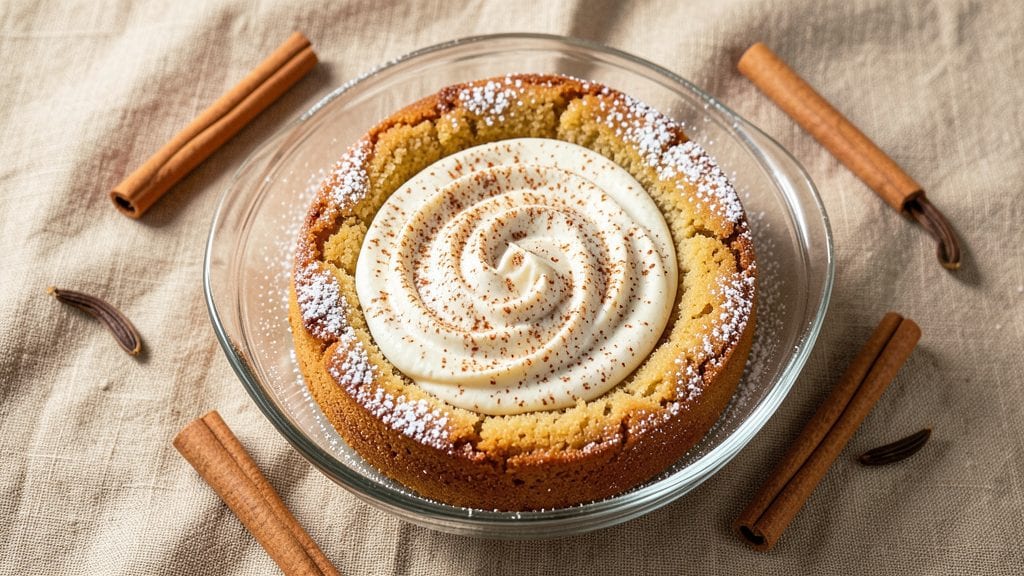
This piund cake recipe brings Nordic tradition to your kitchen with its signature spiced swirls and buttery layers that melt in your mouth. The cake’s origins trace back to Scandinavian baking traditions, where cardamom and cinnamon create an aromatic warmth that feels like a hug in every bite.
What makes this recipe special is the delicate balance of spices—just enough to enhance without overpowering the tender crumb and rich buttercream filling.
The beauty of piund cake lies in its simplicity, yet it delivers restaurant-quality results with just a few key techniques. You’ll work with a tender cake batter infused with warm spices, then layer it with a velvety buttercream that’s lighter than traditional frosting.
The secret to achieving those perfect swirls is patience—allowing the dough to rest ensures even layers that bake up golden and moist.
By the time you pull this cake from the oven, you’ll have a dessert that looks as impressive as it tastes—golden layers with visible spice flecks and a crackly top that gives way to soft, buttery crumb.
The cardamom-infused buttercream ties everything together, creating a flavor profile that’s both nostalgic and sophisticated. This is the kind of dessert that makes guests ask for the recipe the moment they take their first bite.
Perfect for holidays, special occasions, or when you want to impress with a homemade treat that feels like a Nordic masterpiece. The recipe scales beautifully, so you can adjust the size to fit any celebration. Let’s get baking—your kitchen will smell like home before the first slice is even served.
Ingredients for piund cake
Nordic spice warmth meets buttery tenderness in this simple yet impressive cake.
| Ingredient | Amount | Notes |
|---|---|---|
| All-Purpose Flour 🌾 | 3 ½ cups | Sifted for even texture |
| Granulated Sugar 🍚 | 1 ½ cups | Superfine preferred for smooth batter |
| Unsalted Butter 🧈 | 1 ½ cups | Cold, cubed for cutting into flour |
| Large Eggs 🥚 | 3 whole | Room temperature for even mixing |
| Ground Cardamom 🌿 | 1 ½ tsp | Freshly ground for aromatic punch |
| Ground Cinnamon 🌶️ | 1 ½ tsp | Freshly ground preferred |
| Baking Powder 🍞 | 2 tsp | Aluminum-free for best results |
| Salt 🧂 | ½ tsp | Fine sea salt preferred |
| Heavy Cream 🥛 | 1 cup | Cold for buttercream stability |
| Powdered Sugar 🍚 | 3 cups | Sifted for smooth buttercream |
| Vanilla Extract 🍯 | 1 tbsp | Pure vanilla preferred |
| Lemon Zest 🍋 | 1 tbsp | Freshly grated for brightness |
| Whole Milk 🥛 | ¼ cup | For adjusting batter consistency |
Cardamom is the star here—Penzeys or bulk bins have the best quality. Look for vibrant green pods, not dusty brown powder. The cinnamon should be freshly ground too; pre-ground loses flavor fast. For the butter, Plugrá or Land O'Lakes are reliable, but any cold, unsalted works. The flour? King Arthur or Gold Medal are my go-tos—they're consistent. If you're feeling fancy, swap half the all-purpose for cake flour for an even lighter crumb. Just don't skip sifting the dry ingredients—those lumps ruin everything.
No cardamom? Allspice at half the amount gives a similar warmth. Short on vanilla? Vanilla bean paste works too. The lemon zest can be dried if you're not using it right away—just crush it first. For a richer cake, add 1 tbsp sour cream to the batter. The buttercream needs to be chilled for 30 minutes before piping—skip this and it'll be a mess. Want extra flavor? Add 1 tsp almond extract to the buttercream. And if you're making this for a crowd, double the recipe—it keeps beautifully.
This cake tastes even better the next day. Wrap tightly in plastic and store at room temp for 2 days, or freeze for 3 months. The buttercream? Keep it in an airtight container in the fridge for 1 week. I always make extra batter and freeze it in portions—just thaw and bake when needed. The spice flecks in the cake? That's the magic—don't overmix or they'll disappear. And trust me, the crackly top is worth the wait—it's the Nordic touch.
Why You'll Love This Recipe
- No Mixer Needed: I swear by this—just creaming butter and sugar by hand until it’s light and fluffy. The cardamom’s warmth unfolds as you fold in the eggs, and honestly? That’s where the magic happens, no fancy equipment required.
- Buttery Cardamom Magic: That pinch of ground cardamom? It’s the star. It lingers like a whisper of spice, balancing the rich butter and sugar without overpowering. My husband licks the bowl clean—yes, really—and I’ve never seen him do that before.
- Crowd-Pleaser Any Day: This cake disappears at brunch, tea time, or even as a dessert after dinner. I’ve brought it to potlucks, birthday celebrations, and lazy Sunday mornings—everyone asks for seconds, and I never run out of reasons to make it again.
- Budget-Friendly Luxury: Five ingredients, one bowl, minimal effort. The butter makes it feel special, but the cost stays low. Leftovers? They’re even better the next day—moist, tender, and still packed with that cardamom glow. My wallet and taste buds win.
Step-by-step instructions for Nordic spice swirls and buttery layers
Here's how to create this rich, layered cake with perfect texture and aromatic spice notes.
Prepare the Dry Ingredients and Spice Mixture
In a medium bowl, whisk together the 3.5 cups all-purpose flour, 2 tsp baking powder, 0.5 tsp salt, 1.5 tsp ground cardamom, and 1.5 tsp ground cinnamon. Sifting the flour first ensures no lumps form in your batter. I like to use a fine-mesh sieve for this step—it creates a light, airy texture that's essential for that Nordic cake signature.
In a separate small bowl, combine 1 tbsp lemon zest with 1 tbsp vanilla extract. This bright, citrusy combination cuts through the richness of the butter and complements the warm spices beautifully. Set this mixture aside until you're ready to incorporate it into the batter.
Cream Butter and Sugar for Fluffy Layers
In a stand mixer fitted with the paddle attachment, beat the 1.5 cups unsalted butter and 1.5 cups granulated sugar on medium speed for 3-4 minutes. You're looking for a light, fluffy mixture that nearly doubles in volume and becomes pale in color. This creaming process incorporates air, which creates those tender, moist layers we want in a piund cake.
I always use room temperature butter for this step—it creates a smoother batter. If your butter is too cold, it won't cream properly, and if it's too soft, you'll end up with a greasy texture. The butter should be just soft enough to leave a slight indentation when pressed.
Add Eggs and Combine Wet Ingredients
Add the 3 whole large eggs, one at a time, mixing well after each addition. Then stir in the lemon zest and vanilla extract mixture you prepared earlier. The eggs add structure to the cake while keeping it tender. I like to add the eggs slowly to prevent any curdling that might occur from the cold eggs hitting the warm butter mixture.
With the mixer running on low speed, gradually add about half of the dry ingredients (about 1.75 cups) to the butter mixture. Mix just until combined, then alternate adding the remaining dry ingredients with 0.25 cup whole milk, beginning and ending with flour. This alternating method ensures you get a smooth, lump-free batter without overmixing.
Bake the Cake Layers to Golden Perfection
Preheat your oven to 350°F and grease three 8-inch round cake pans, lining the bottoms with parchment paper. Divide the batter evenly among the prepared pans. I like to use a kitchen scale for this to ensure equal distribution—uneven layers can lead to uneven baking.
Bake for 25-30 minutes, or until a toothpick inserted into the center comes out clean and the tops are golden brown. Rotate the pans halfway through baking for even browning. Let the cakes cool in the pans for 10 minutes, then transfer to a wire rack to cool completely before assembling.
Prepare and Layer the Cream Filling
In a medium bowl, beat the 1 cup heavy cream until it forms soft peaks. In a separate bowl, whisk together 3 cups powdered sugar with 1 tbsp vanilla extract until smooth. Gently fold the powdered sugar mixture into the whipped cream until fully combined and fluffy.
Place one cake layer on a serving plate, then spread about ⅓ of the cream filling evenly over the top. Repeat with the remaining layers, ending with the final layer on top. The cream should be thick enough to hold the layers together but still light enough to prevent a heavy cake. For extra stability, you can place the assembled cake in the refrigerator for 30 minutes before serving.
Pro Tips For Making Piund Cake
- Cream Butter Cold: Take your butter straight from the fridge—no softening needed. I learned this the hard way after making a greasy mess when it melted too fast in the mixing bowl. For piund cake, cold butter creates flaky layers that hold up better when baking.
- Sift the Cardamom: Measure the ground cardamom first, then sift it into the dry ingredients. This prevents clumping and ensures even distribution—no one wants a bite with all the spice or none at all. (Yes, even if you’re impatient, skip the shortcut.)
- Whip Eggs to Room Temp: Let your eggs sit in warm water for 5 minutes before whipping. Cold eggs won’t incorporate as well, and you’ll end up with a denser cake. Trust me, the extra 5 minutes make a real difference in texture.
- Stop When It’s Slightly Under: Pull the cake out when the center still jiggles like Jell-O—it’ll firm up as it cools. Overbaking dries out the crumb, and that’s the last thing you want in a tender piund cake. (Your future self will thank you.)
Troubleshooting this recipe
Dense Cake Layers
If your cake layers turn out too dense, overmixing the batter is usually the culprit. Mix just until combined—stop as soon as the flour disappears. I recommend using a spatula for final folds to avoid overworking.
Also, ensure your butter is room temperature but not melted, and don’t overbake. Pull the cake when a toothpick comes out with a few moist crumbs, not completely clean. 💡
Crackly Top Fails
The signature crackly top happens when the cake cools slowly in the pan. If yours stays flat, your oven might be too hot or the batter too wet. Preheat for 15 minutes to ensure even heat, and use a thermometer to confirm 350°F.
For extra insurance, place a baking sheet under the pans to reflect heat upward. Let the cake cool in the pan for the full 10 minutes before transferring.
Spice Flecks Disappear
Those beautiful spice flecks vanish when the batter is overmixed. Fold dry ingredients gently with a rubber spatula—just until combined. For extra visual appeal, sprinkle a pinch of cardamom or cinnamon directly on top of each cake layer before baking.
This creates a decorative crust while keeping the flecks visible. Sift the spices through a fine-mesh sieve to avoid clumps. 🌿
Buttercream Too Thin
A runny buttercream usually means the cream wasn’t cold enough or the powdered sugar wasn’t sifted. Chill your heavy cream for at least 1 hour before whipping, and sift the powdered sugar to avoid graininess.
If it’s still too thin, add 1 tbsp meringue powder or 1 tsp cornstarch to stabilize it. For extra stability, pipe the filling onto the first layer, then stack the second layer on top before spreading the rest.
Uneven Baking
Uneven layers or edges often mean the batter wasn’t divided evenly. Use a kitchen scale for precision—each 8-inch pan should get exactly 1/3 of the batter. Rotate pans halfway through baking for even browning, and avoid opening the oven door early.
If your oven has hot spots, place pans on the middle rack where heat is most consistent. A digital thermometer helps confirm even temperature distribution. 🌡️
Dry or Crumbly Texture
Overbaking or using too much flour causes dryness. Check for doneness at 25 minutes—the cake should spring back slowly when pressed. If your cake feels dry, try adding 1 tbsp sour cream or 1 tbsp milk to the batter for moisture.
For extra richness, replace 1 tbsp all-purpose flour with 1 tbsp cake flour in the dry ingredients. Always measure flour by spooning it into the cup and leveling, not scooping directly from the bag.
Nutrition facts
Frequently asked questions
What makes this Nordic spice cake different from other layered desserts?
The signature blend of cardamom and cinnamon creates that warm, aromatic Nordic flavor profile. Unlike vanilla-heavy cakes, these spices add depth without overpowering. The buttery layers and light cream filling also give it a melt-in-your-mouth texture that's less dense than traditional pound cakes.
Can I make this cake without an electric mixer?
Use a sturdy hand mixer or do it by hand with a wooden spoon. For the butter-sugar creaming, work in a large bowl with a rubber spatula, pressing the butter and sugar together until light and fluffy (5-7 minutes of vigorous mixing). The key is patience—don't rush the process.
How do I store leftovers to keep them fresh?
Wrap the cake tightly in plastic wrap and store at room temperature for up to 2 days. For longer storage, freeze slices in an airtight container for 3 months. The buttercream can be refrigerated separately for 1 week—just rewhip briefly before reassembling. Thaw frozen cake at room temperature for 1-2 hours before serving.
What's the best way to decorate this cake for special occasions?
For a rustic look, dust with powdered sugar or sprinkle extra cardamom. For elegance, pipe swirls of the buttercream on top or add edible gold leaf. Fresh berries or candied citrus peel make beautiful garnishes too. The crackly top is already decorative—just leave it as-is for a Nordic-inspired finish!
Can I substitute the cardamom with another spice?
If you're missing cardamom, use ½ tsp allspice or ½ tsp nutmeg for warmth. For a citrusy note, add ½ tsp orange zest to the batter. However, cardamom's unique floral aroma is what defines this cake—try to get it if possible! For freshness, grind whole pods just before baking.