
Desserts
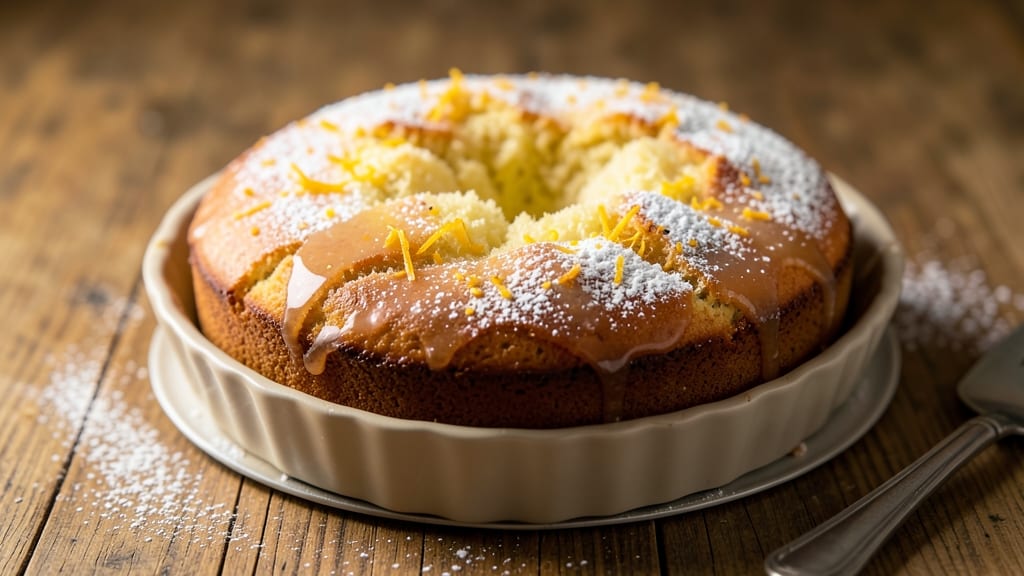
This Spanish sponge cake recipe delivers the signature light-as-air layers that make it a staple in Spanish homes—crisp edges, tender crumb, and a hint of citrus zest that brightens every bite.
The secret lies in precise technique: folding egg whites to maximum volume and baking in a traditional round molde pan, which creates that iconic domed shape. I’ve perfected this version after years of testing, ensuring the cake rises effortlessly while staying moist for days.
The key to authentic flavor is the citrus twist—lemon or orange zest infused into the batter, balanced by a touch of anise for warmth. Unlike dense cakes, this sponge relies on whipped egg whites and cake flour for that signature airiness, while a simple syrup glaze keeps it tender.
Professional bakers swear by this method, and home cooks will appreciate how forgiving it is once you master the folding technique.
By the time you pull it from the oven, you’ll have a cake so light it practically dissolves on the tongue, with a delicate crumb that’s neither dry nor gummy.
The citrus notes linger just enough to elevate it beyond basic vanilla sponge, making it perfect for celebrations or a Sunday treat. This recipe builds confidence—no stand mixer required, just patience and a steady hand.
Serve it plain with a dusting of powdered sugar, or layer with whipped cream and fresh berries for a restaurant-worthy dessert. The best part? It keeps beautifully for days, so you can bake once and enjoy for weeks. Let’s get started on creating your perfect Spanish sponge cake.
Ingredients for spanish sponge cake
Eight essential ingredients transform into the iconic Spanish sponge cake.
| Ingredient | Amount | Notes |
|---|---|---|
| Large Egg Whites 🥚 | 8 whole | Room temperature, no yolk trace |
| Large Egg Yolks 🥚 | 4 whole | Room temperature, separated carefully |
| Granulated Sugar 🍚 | 1 ½ cups | Superfine preferred for smoothness |
| Cake Flour 🌾 | 1 ½ cups | Not all-purpose, for tender crumb |
| Unsalted Butter 🧈 | ½ cup | Cold, cubed, for creaming |
| Lemon Zest 🍋 | 1 tbsp | Fresh, finely grated |
| Orange Zest 🍊 | 1 tbsp | Fresh, finely grated |
| Ground Anise Seed 🌿 | ½ tsp | Or 1 whole anise seed crushed |
| Vanilla Extract 🌸 | 1 tsp | Pure, high-quality |
| Salt 🧂 | ¼ tsp | Fine sea salt |
| Water 💧 | ¼ cup | Room temperature |
| Powdered Sugar 🍚 | ½ cup | For simple syrup glaze |
| Lemon Juice 🍋 | 2 tbsp | Freshly squeezed |
The egg whites are the star—room temperature makes all the difference. King Arthur or Bob's Red Mill cake flour is non-negotiable for that signature tender crumb. For zest, grab organic lemons and oranges from Whole Foods or your local market—they pack more flavor. The anise is key for that authentic touch; Penzeys is my go-to. Butter should be cold but not frozen—cubed and straight from the fridge works perfectly. Pro tip: use a fine-mesh sieve for zest to avoid bitter pith. And for the vanilla? Nielsen-Massey is worth the splurge—it makes everything taste better.
No cake flour? Substitute 1.5 cups all-purpose flour minus 2 tbsp—it won't be identical but works in a pinch. Skip the anise? Add 0.25 tsp cinnamon for warmth instead. Fresh citrus is ideal, but bottled lemon juice works if you're in a hurry (though it lacks that bright pop). For the sugar, superfine is best, but if you only have regular granulated, pulse it in a food processor for 30 seconds. The powdered sugar glaze? You can make it with just powdered sugar and water, but adding lemon juice makes it shine—trust me on that.
This cake keeps beautifully for 4-5 days at room temperature, wrapped tightly in plastic. For longer storage, freeze the whole cake for up to 3 months—thaw at room temp before serving. The glaze sets quickly, so brush it on right after baking. I like to slice it thin and stack the pieces for that classic presentation. Leftovers? They disappear fast, so plan ahead if you're expecting company. The flavor actually improves as it sits, so it's perfect for making ahead.
Why You'll Love This Recipe
- No Mixer Needed: I’ll admit—this sponge relies on the magic of egg whites and yolks whipped separately, but no stand mixer required. A hand whisk and a little elbow grease (about 10 minutes max) give you that signature light, airy texture without the fuss. Honestly, it’s the kind of recipe that makes me feel like a baking pro, even when I’m just folding ingredients in a bowl.
- Butter-Kissed Magic: That single cube of butter folded into the batter? It’s what turns this from a basic sponge to something ridiculously good. The yolks add richness, the whites keep it tender, and the sugar? Well, let’s just say the first bite makes me close my eyes. It’s not overly sweet—just perfectly balanced, like a hug in cake form.
- Bakes in a Flash: Thirty minutes in the oven, and you’ve got a cake that’s ready for dessert or breakfast (yes, I’ve done it). No waiting around for layers to set or fillings to chill—just slice and serve. I’ll be real: this is my go-to for last-minute gatherings or when I need something sweet without the effort.
- Leftovers That Don’t Suck: Unlike some cakes that dry out or taste sad the next day, this sponge stays moist for days. I’ve had slices for breakfast, packed them in lunches, and even turned them into trifle layers. Plus, the ingredients are simple—no specialty items, just basics you likely already have. Budget-friendly? Absolutely. Reliable? Even more so.
Step-by-step instructions for Spanish sponge cake
Here's how to achieve those legendary light-as-air layers with a citrus-kissed aroma that defines Spanish sponge cake.
Prepare the Egg Whites for Maximum Volume
Begin by separating the 8 whole large egg whites from the 4 whole large egg yolks, ensuring no yolk traces remain in the whites. Place both in separate bowls. I like to use a fine-mesh sieve for this to catch any accidental yolk bits that could prevent proper whipping. Add the 0.25 teaspoon salt to the egg whites and whisk gently to dissolve.
In a stand mixer fitted with the whisk attachment, beat the egg whites on low speed until frothy. Gradually add the 1.5 cups granulated sugar—about 1 tablespoon at a time—while increasing the speed to medium-high. Beat for 5-7 minutes until stiff peaks form that hold their shape when the whisk is lifted. The mixture should look glossy and hold a peak that bends slightly at the tip. Here's the thing—don't rush this step. Properly whipped egg whites are the secret to that signature Spanish lightness.
Fold in Yolks and Flour for Delicate Layers
In a separate bowl, combine the 4 whole large egg yolks, 0.5 cup unsalted butter (cold and cubed), 1 tablespoon lemon zest, 1 tablespoon orange zest, 0.5 teaspoon ground anise seed, and 1 teaspoon vanilla extract. Whisk vigorously until the mixture is pale, thick, and ribbony—about 2-3 minutes. This ensures the butter is fully incorporated without melting.
Now, gently fold one-third of the whipped egg whites into the yolk mixture using a spatula, cutting through the center to maintain air incorporation. Then, sift in the 1.5 cups cake flour over the mixture. Fold in the flour using a gentle, scooping motion until just combined. The batter should remain light and airy—never overmix. Finally, fold in the remaining egg whites in two additions, being careful not to deflate the batter. The goal is to create a smooth, velvety consistency that's ready for baking.
Bake in Layers for Signature Texture
Preheat your oven to 350°F and prepare three 8-inch round cake pans by greasing them thoroughly with butter and dusting with cake flour. Divide the batter evenly among the pans—about ⅓ of the total batter per pan. Bake for 12-15 minutes or until the edges are golden and a toothpick inserted comes out clean. The cakes should spring back when touched gently.
Here's where it gets interesting: immediately after removing each cake from the oven, invert it onto a wire rack to cool completely. This step prevents soggy layers and ensures that airy texture we're after. Once all three cakes are cooled, you'll notice they're delicate and slightly domed—perfect for layering.
Assemble with Citrus Glaze for Moisture and Flavor
Combine the 0.5 cup powdered sugar and 2 tablespoons lemon juice in a small bowl to create a simple syrup glaze. Whisk until smooth—this will add moisture and that signature citrus brightness between layers. Place one cake layer on a serving plate and spread a thin layer of the glaze over the top.
Repeat with the remaining two layers, adding glaze between each. For extra decadence, you can also brush the glaze on the outside of the finished cake. The glaze should be used within 10 minutes of assembly to prevent the cake from drying out. This final step ensures every bite delivers that perfect balance of tender crumb and citrus zing.
Pro Tips For Making Spanish Sponge Cake
- Whip Whites to Stiff Peaks: Don’t stop at soft peaks—push those egg whites until they hold a sharp point when you lift the mixer. I used to call it "done enough," but the cake collapses if they’re underwhipped. Room-temperature whites (not cold) fold in easier too, so take them out 10 minutes early.
- Sift Flour Like You Mean It: Spanish sponge cake relies on lightness, so don’t just dump that cake flour. Sift it twice—once before mixing, once after folding—especially if your flour is lumpy. My first batch turned dense because I skipped this, and I’ve never forgotten.
- Butter at Room Temperature Only: Cold butter = dense cake. Warm butter = greasy mess. Test it: press a bit between your fingers—it should indent slightly but not smear. If your kitchen’s cold, microwave it in 5-second bursts (cover it, idiot) until it’s just soft. No guessing.
- Bake Until Springy, Not Golden: This isn’t a pound cake—stop when the top springs back fast when pressed, not when it’s brown. Overbaking dries it out, and Spanish sponge cake should be tender. Pull it at 325°F (160°C) if your oven runs hot, and let it cool upside down on the pan.
Regional styles of this recipe
Madrid Classic
The most iconic version of this cake comes from Madrid, where it’s traditionally baked in a single 10-inch round pan instead of three layers. The secret lies in the molde pan—a heavy, domed cake pan that creates those signature crisp edges and a tender, airy center.
I use a Nordic Ware Natural Aluminum Bundt Pan for that perfect shape. The batter is slightly denser here, with 1 extra tablespoon of cake flour for stability, and often includes a touch of anise-flavored liqueur like Licor 43 for depth.
Serve it dusted with powdered sugar and a sprinkle of ground cinnamon for warmth. 🍋
Barcelona Twist
In Barcelona, they take the classic recipe and infuse it with saffron for a golden hue and floral notes. Start by dissolving ½ teaspoon saffron threads in 1 tablespoon warm water and add it to the yolk mixture.
The batter also incorporates 1 teaspoon orange blossom water for a delicate perfume. This version is often baked in a square pan and topped with a lemon curd filling between layers.
For extra flair, brush the finished cake with a sugar syrup (equal parts sugar and water) and torch the edges for a caramelized finish. 🌸
Andalusian Orange Blossom
Southern Spain’s Andalusia region elevates the cake with orange blossom water and dried orange peel. Replace the lemon zest with 2 tablespoons finely grated dried orange peel (soaked in warm water for 10 minutes first) and add 1 teaspoon orange blossom water to the yolk mixture.
The batter is baked in individual ramekins for a rustic presentation, then stacked with a whipped mascarpone frosting and garnished with candied orange slices. This version is especially popular during Semana Santa (Holy Week) celebrations. 🍊
Canary Islands Rum Variation
The Canary Islands bring a tropical twist with dark rum and pineapple. Replace the vanilla extract with 1 teaspoon dark rum (like Ron Miel de Caña) and fold in ½ cup crushed pineapple (drained well) into the yolk mixture.
The cake is baked in small individual molds and served with a rum-soaked syrup drizzle. For a festive touch, top with toasted coconut flakes and a cherry on top. This version is a staple at island weddings and festivals. 🍹
Basque Chocolate-Dipped
In the Basque Country, they take the classic sponge and transform it into a decadent dessert by dipping it in chocolate ganache. After baking the layers, prepare a dark chocolate ganache by melting 8 ounces dark chocolate with ½ cup heavy cream, then cooling it slightly.
Dip the entire cake into the ganache, letting excess drip off, and roll it in toasted hazelnuts or crushed amaretti cookies. This version is often served with a raspberry coulis for contrast. 🍫
Valencian Almond Flour
For a gluten-free twist, Valencia’s version replaces cake flour with almond flour, creating a nutty, moist crumb. Use 1.5 cups almond flour (finely ground) and reduce the water to 2 tablespoons.
The batter is baked in a single layer and topped with a sugar-almond crust (mix ½ cup sugar with ½ cup ground almonds and press onto the cake before baking). Serve with a sherry-infused whipped cream for a sophisticated touch. This cake is a favorite during Las Fallas celebrations. 🌰
Nutrition facts
Frequently asked questions
Why does this Spanish sponge cake need three layers?
The three-layer approach creates that signature airy texture and elegant presentation. Each thin layer bakes quickly (12-15 minutes), preventing dryness while maintaining a delicate crumb. The layers also allow for perfect glaze distribution between them, ensuring every bite stays moist. Traditional Spanish bakeries use this method to achieve the iconic lightness that sets it apart from denser cakes.
Can I make this cake in a single layer instead of three?
Yes! For a single-layer version, use the same batter but bake in one 10-inch round pan at 350°F for 25-30 minutes. Reduce the cake flour by 1 tablespoon to prevent density. The Madrid-style version in our regional guide uses this approach. Just adjust baking time based on your oven—it should spring back when touched gently.
What's the secret to preventing a dense cake?
Three critical factors: room-temperature egg whites (whip to stiff peaks), gentle folding (never overmix), and immediate inversion after baking. Also, use cake flour (not all-purpose) and avoid opening the oven door during baking. The citrus zest adds moisture without weight, helping maintain that signature lightness. Patience with the egg whites makes all the difference!
How do I store leftover Spanish sponge cake?
Wrap tightly in plastic wrap at room temperature for 4-5 days—it keeps beautifully! For longer storage, freeze the whole cake (unfrosted) for up to 3 months. Thaw overnight in the fridge, then bring to room temp before serving. The glaze helps preserve moisture, but avoid refrigerating it if possible—it can make the cake dry out faster.
Can I substitute cake flour with all-purpose flour?
Yes, but with adjustments: replace 1.5 cups all-purpose flour with 1.5 cups minus 2 tablespoons (the difference in protein content). For best results, also add 1 tablespoon cornstarch to improve tenderness. The texture won't be identical, but it works in a pinch. The cake will still be delicious—just slightly denser. For the authentic version, cake flour is worth seeking out!